
Online Psychiatry: What It Is, What Psychiatrists Treat & What to Expect
Maybe your anxiety has started running your schedule. Maybe your teenager’s mood has changed and the pediatrician suggested a psychiatrist. Or maybe you already take medication and your current prescriber retired, moved, or has a waitlist that stretches into next season. Whatever brought you here, the next question is usually the same: can I actually get good psychiatric care online?
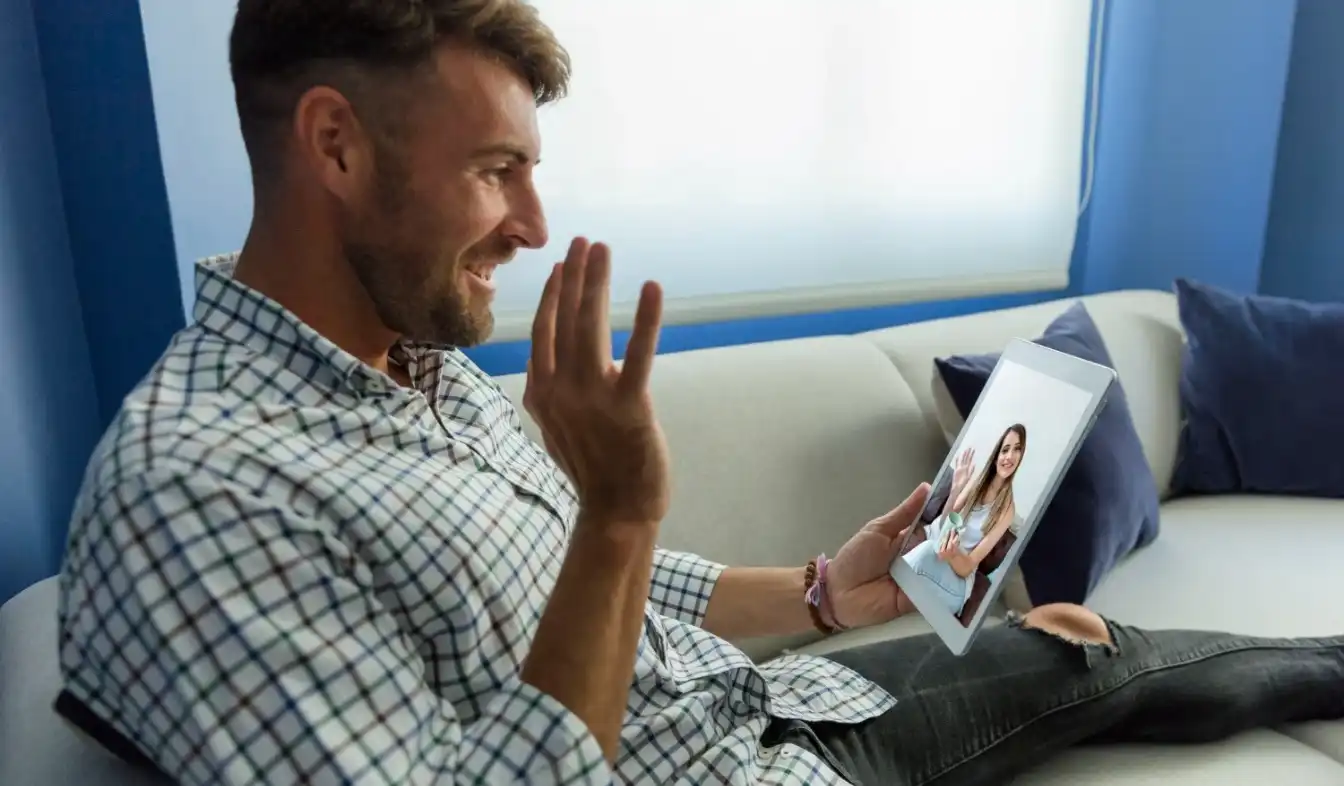
For many people, yes. Online psychiatry has grown from a stopgap into a regular part of mental health care, and for good reason. Secure video visits remove the commute, the waiting room, and much of the scheduling stress that keeps people from getting help.
At 24/7 DCT, online psychiatric care is available for children, teens, and adults across Alabama, Illinois, and Ohio. This guide explains what online psychiatry is, what psychiatrists treat, how visits work, and how to tell whether it is the right fit for you or your child.
This article is for general education and does not replace advice from a licensed medical provider.
What Is Online Psychiatry?
Online psychiatry, sometimes called telepsychiatry, is psychiatric care delivered through secure video and other virtual tools. It can include:
- Psychiatric evaluations and diagnosis
- Medication management and prescriptions
- Follow-up visits to monitor progress and side effects
- Treatment planning that connects medication with therapy and other supports
Care is provided by licensed psychiatric prescribers, such as psychiatrists (MD or DO) or psychiatric mental health nurse practitioners (PMHNPs). The provider must be licensed in the state where the patient is physically located during the visit. Our article on what telepsychiatry is and how it works covers the technology side in more detail.
What Do Psychiatrists Treat?
Psychiatrists diagnose and treat mental health conditions, often combining medication with therapy recommendations and coordination with other providers. Common conditions treated through online psychiatry include:
| Condition | Signs People Often Notice | How Online Care May Help |
|---|---|---|
| Depression | Low mood, loss of interest, sleep and appetite changes | Evaluation, medication options, therapy referrals, safety planning |
| Anxiety Disorders | Constant worry, panic attacks, avoidance | Diagnosis, medication when appropriate, coordinated therapy |
| ADHD | Trouble focusing, restlessness, impulsivity | Evaluation with rating scales, medication management |
| Bipolar disorder | Periods of very high energy alternating with depression | Diagnosis, mood stabilizer management, regular monitoring |
| PTSD | Flashbacks, nightmares, feeling on edge | Medication for symptoms alongside trauma-focused therapy |
| OCD | Intrusive thoughts and repetitive rituals | Medication options paired with exposure-based therapy |
| Sleep problems | Ongoing insomnia linked to mood or anxiety | Reviewing sleep patterns and treatment options |
Some situations, such as severe symptoms, safety risks, or conditions that need hands-on monitoring, may call for in-person or more intensive care. Knowing the difference between levels of care helps, and this overview of inpatient vs. outpatient psychiatric services explains when each makes sense.
Online Psychiatry for Children and Teens
Young people need care designed for their stage of development. 24/7 DCT’s pediatric psychiatric services address concerns such as anxiety, depression, ADHD, behavioral and mood challenges, eating disorders, and co-occurring conditions in autistic children. Parents take part in visits, share observations, and receive guidance on supporting their child at home.
Psychiatrist, Psychologist, Therapist, or Behavior Analyst: Who Does What?
People often work with more than one professional. Here is a quick way to tell them apart.
| Professional | Training | Prescribes Medication? | Typical Role |
|---|---|---|---|
| Psychiatrist | Medical degree plus psychiatry residency | Yes | Diagnoses mental health conditions, manages medication |
| Psychiatric nurse practitioner (PMHNP) | Advanced nursing degree with a psychiatric specialty | Yes | Evaluations and medication management |
| Psychologist | Doctoral degree in psychology | Usually No | Psychological testing and therapy |
| Licensed therapist or counselor | Master’s degree with a state license | No | Talk therapy, coping skills, relationship and family support |
| Behavior analyst | Master’s degree plus board certification | No | ABA assessment and treatment for skills and behavior |
Many people get the best results when psychiatry and therapy work together. 24/7 DCT offers both, so medication decisions and counseling and therapy can stay connected under one care team.
How Online Psychiatry Works, Step by Step
1. Getting Started
You create an account, share basic information, and choose a service. Insured patients book after insurance is validated, while self-pay patients can often book sooner.
2. Setting Up Technology
Most platforms work on a laptop, tablet, or phone. Test the link, camera, and microphone before the first visit, and choose a private space.
3. The First Evaluation
The first visit is usually the longest, often 60 to 90 minutes. A psychiatric evaluation covers your symptoms, history, current medications, safety, and goals.
4. Treatment Planning
The provider shares impressions and recommendations, which might include therapy, medication, lifestyle changes, or further evaluation.
5. Follow-Up Visits
Shorter visits, often 15 to 30 minutes, track progress and adjust treatment. Psychiatric follow-ups can happen by video, phone, or secure messaging depending on what the visit requires.
6. Prescriptions and Labs
Prescriptions are sent electronically to your local pharmacy. If lab work is needed, you visit a nearby lab and results are shared with your provider.
What Online Psychiatry Can and Can’t Do Well
| Often Works Well Online | May Need In-Person Care |
|---|---|
| Interviews, history, and symptom tracking | Physical exams |
| Medication follow-ups and adjustments | Lab work and vital signs, unless measured at home or by a primary care provider |
| Reviewing rating scales and school or work reports | People who cannot access a private space or reliable internet |
| Observing a child in a familiar setting | Emergencies or safety crises |
| Coordinating care with therapists and other providers | Some complex diagnostic evaluations |
About controlled medications: federal rules have temporarily allowed prescribers to issue controlled substances, including many ADHD stimulants, through telemedicine without an in-person visit. The DEA and HHS extended these flexibilities through December 31, 2026, and the DEA has been working to finalize a permanent telemedicine rule. Ask your provider how upcoming changes could affect your prescriptions.
Is Online Psychiatry a Good Fit for You?
| Factor | Online May Work Well If | In-Person May Be Better If |
|---|---|---|
| Schedule | Work, school, or caregiving makes office visits hard | You have easy access to a nearby clinic |
| Location | You live in a rural area or far from specialists | Local in-person care is available quickly |
| Comfort | You open up more easily from home | You prefer face-to-face contact |
| Privacy | You have a private room or can use headphones | Home offers little privacy |
| Clinical Needs | Symptoms are stable enough for outpatient care | You need frequent physical monitoring or crisis care |
Privacy is a common worry. Our article on whether virtual mental health care is safe and confidential explains how secure platforms protect your information.
Online Psychiatry in Alabama, Illinois, and Ohio: Local Factors
| Factor | Alabama | Illinois | Ohio |
|---|---|---|---|
| Provider licensing | Prescriber must be licensed in Alabama | Prescriber must be licensed in Illinois | Prescriber must be licensed in Ohio |
| Prescription monitoring | Alabama Prescription Drug Monitoring Program (PDMP) | Illinois Prescription Monitoring Program (PMP) | Ohio Automated Rx Reporting System (OARRS) |
| State crisis support | 988 Suicide and Crisis Lifeline | 988, plus the CARES line (1-800-345-9049) for youth crisis services | 988, plus the Ohio CareLine (1-800-720-9616) for emotional support |
| Controlled medications by video | Federal flexibilities through December 31, 2026 | Federal flexibilities through December 31, 2026 | Federal flexibilities through December 31, 2026 |
24/7 DCT works with many major insurance plans, including Aetna, Blue Cross Blue Shield, UnitedHealthcare, and Cigna, and self-pay receipts may qualify for FSA or HSA reimbursement. Coverage varies by plan and state, so confirm your benefits before your first visit. You can see where we provide care on our locations page.
How to Prepare for an Online Psychiatry Visit
- Choose a quiet, private room with good lighting and a stable internet connection
- Have a list of current medications, supplements, and doses ready
- Gather recent records, including past diagnoses, lab results, or school reports for children
- Keep a one to two week log of the symptoms you want to discuss, such as sleep, mood, or anxiety
- Write down your top three questions
- For children, have a parent or caregiver available for the full visit
The Value of Online Psychiatry: Time, Cost, and Continuity
| Factor | Traditional Office Visits | Online Psychiatry |
|---|---|---|
| Travel and time off work | Often an hour or more per visit | Little to none |
| Wait for first appointment | Can be long in many areas | Often shorter, depending on availability |
| Missed appointments | More likely with travel, weather, or childcare issues | Easier to keep from home or work |
| Continuity of care | Harder if you move within the state | Easier to keep the same provider anywhere in your state |
| Coordination with therapy | Often separate practices | Psychiatry and therapy can share one platform |
Questions to Ask an Online Psychiatric Provider
- What conditions do you treat most often?
- How do you handle prescriptions for controlled medications?
- How often will follow-ups happen, and how long are they?
- How can I reach my care team between appointments?
- Can my psychiatric care coordinate with my therapist or my child’s other providers?
When Online Psychiatry Isn’t the Right Call
Online care is not designed for emergencies. If you or someone else is in immediate danger, call 911. For urgent mental health support, call or text 988. You can also text HOME to 741741 to reach the Crisis Text Line. Our crisis support page lists additional resources.
Starting Online Psychiatric Care With 24/7 DCT
24/7 DCT provides psychiatric services for children, teens, and adults across Alabama, Illinois, and Ohio, including evaluations, follow-ups, pediatric care, and medication management. Care is available in English and Spanish, with flexible scheduling that includes evenings and weekends.
When you are ready, get started online and our team will help you take the first step.
FAQs

License: PhD, LCSW, LCAC
Years of Experience: 23 years+
Dr. Amanda Slaten is a sound leader with 23 years of experience in Behavioral Health. She has a bachelor’s degree in Psychology, a master’s degree in Social Work, and maintains two master’s level clinical license(s) of Licensed Clinical Social Worker (LCSW) and Licensed Clinical Addictions Counselor (LCAC). In addition, Dr. Slaten obtained a PhD in Business Psychology to affirm her commitment to leadership within the Behavioral Healthcare industry. She is a compassionate leader that has dedicated her professional career towards advancing service delivery for treatment of mental health and addiction.


