
What Is Telepsychiatry and How Does It Work?
A lot of people still picture mental health appointments the old way. Sitting in traffic. Filling out paperwork in a waiting room. Trying not to miss work just to make a session on time. That still happens, of course. Still, online care changed things faster than many expected.
At 24/7 DCT, therapy sessions happen fully online through secure video appointments. For some people, that setup feels easier immediately. Others need a little time to adjust. Either way, Telepsychiatry has become a practical form of online mental health support across the USA, including states like Ohio and Illinois.
And small details matter more than people think. Joining a session from a quiet bedroom, a parked car during lunch, or even a kitchen table after work. Those things remove friction. Sometimes that is enough to help someone finally schedule support.
How Telepsychiatry Works in Real Daily Life
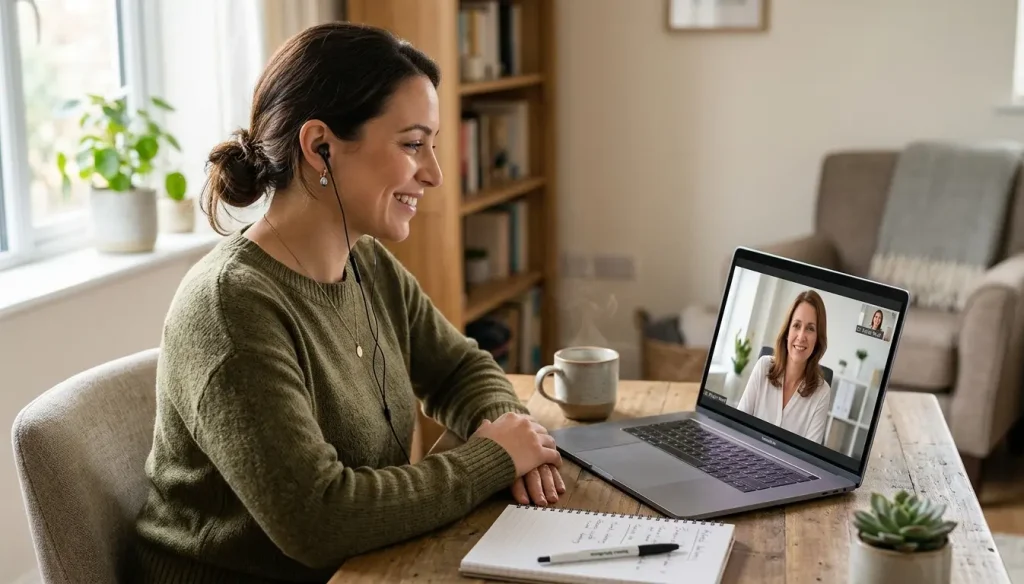
Telepsychiatry connects patients with licensed psychiatric providers through secure video technology. The process is fairly simple. A patient schedules an appointment, completes intake forms online, and then joins a virtual session using a phone, tablet, or computer. Virtual psychiatric care allows providers to discuss emotional concerns, stress patterns, sleep issues, anxiety, and other mental health challenges remotely.
The structure often feels similar to traditional office visits. Providers still ask detailed questions. They listen carefully. They guide conversations based on individual needs.
Some people expect virtual sessions to feel distant. That assumption usually changes once the conversation actually starts.
At 24/7 DCT, appointments are online only. That flexibility helps individuals balance demanding schedules, childcare responsibilities, or transportation difficulties. A person dealing with exhaustion after a long workday may find virtual support easier to maintain consistently. The same goes for someone recovering from illness or managing a packed weekly routine.
Why Many Patients Prefer Online Psychiatry Sessions
Convenience plays a role, but it is not the only reason people choose virtual care. Accessible behavioral health services often reduce practical obstacles that prevent people from seeking support regularly.
Think about someone managing work meetings all day while also caring for family members. Driving across town for an appointment can feel overwhelming before the session even begins. Online care removes part of that pressure.
Privacy matters too. Some people simply feel more comfortable speaking from familiar surroundings. A quiet room at home may feel safer than a waiting area full of strangers.
And routines matter. A patient already juggling physicals, cold-and-flu treatments, internal medicine appointments, or weight loss visits may prefer mental health support that fits into normal daily life instead of disrupting it further.
Common reasons people explore remote emotional wellness support include:
- Limited transportation
- Rural living situations
- Frequent travel schedules
- Mobility concerns
- Parenting responsibilities
Not every situation looks dramatic from the outside. Sometimes people are just tired. Busy. Mentally overloaded in ways that are difficult to explain quickly.
What Happens During a Telepsychiatry Appointment
Every session looks a little different because every person brings different experiences into the conversation. HIPAA-compliant therapy platforms help keep communication secure while providers discuss emotional concerns privately.
Initial appointments often involve longer discussions about personal history, stressors, routines, sleep patterns, relationships, or emotional changes. Follow-up sessions may focus more on ongoing support and practical coping strategies.
Technical interruptions happen occasionally. Internet connections freeze sometimes. Audio cuts out for a few seconds. It is normal. Most platforms include backup communication options when needed.
Patients also tend to settle into sessions differently over time. Some begin talking immediately. Others pause often at first. Neither reaction is unusual.
For readers interested in additional emotional wellness resources, these Grief Therapy Articles may help:
Helpful Mental Health Resources and Support Information
Reliable mental health information helps people make informed decisions about care options. Trusted mental health resources can also explain telehealth systems, crisis support, and treatment access more clearly.
Helpful resources include:
- National Institute of Mental Health (NIMH)
- Medicare Telehealth Coverage Information
- 988 Suicide & Crisis Lifeline
These organizations provide updated information about mental health care, emergency support, and telehealth access across different situations.
Why Telepsychiatry Continues Growing Across the USA
Mental health care no longer depends entirely on office visits and waiting rooms. For many people, flexibility changed the equation. Telepsychiatry gives patients access to licensed providers while allowing appointments to fit more naturally into everyday routines.
At 24/7 DCT, secure online sessions support individuals working through emotional challenges, stress, and ongoing life changes from the privacy of home. Some people seek short-term guidance during difficult periods. Others prefer longer-term support with consistent virtual appointments.
The important part is access. Removing extra barriers can make mental health support feel more manageable for people already carrying full schedules and constant responsibilities.
If you are considering virtual mental health care, you can book a session or contact us for additional guidance and scheduling support.
FAQs
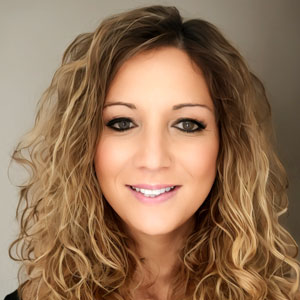
License: PhD, LCSW, LCAC
Years of Experience: 23 years+
Dr. Amanda Slaten is a sound leader with 23 years of experience in Behavioral Health. She has a bachelor’s degree in Psychology, a master’s degree in Social Work, and maintains two master’s level clinical license(s) of Licensed Clinical Social Worker (LCSW) and Licensed Clinical Addictions Counselor (LCAC). In addition, Dr. Slaten obtained a PhD in Business Psychology to affirm her commitment to leadership within the Behavioral Healthcare industry. She is a compassionate leader that has dedicated her professional career towards advancing service delivery for treatment of mental health and addiction.