
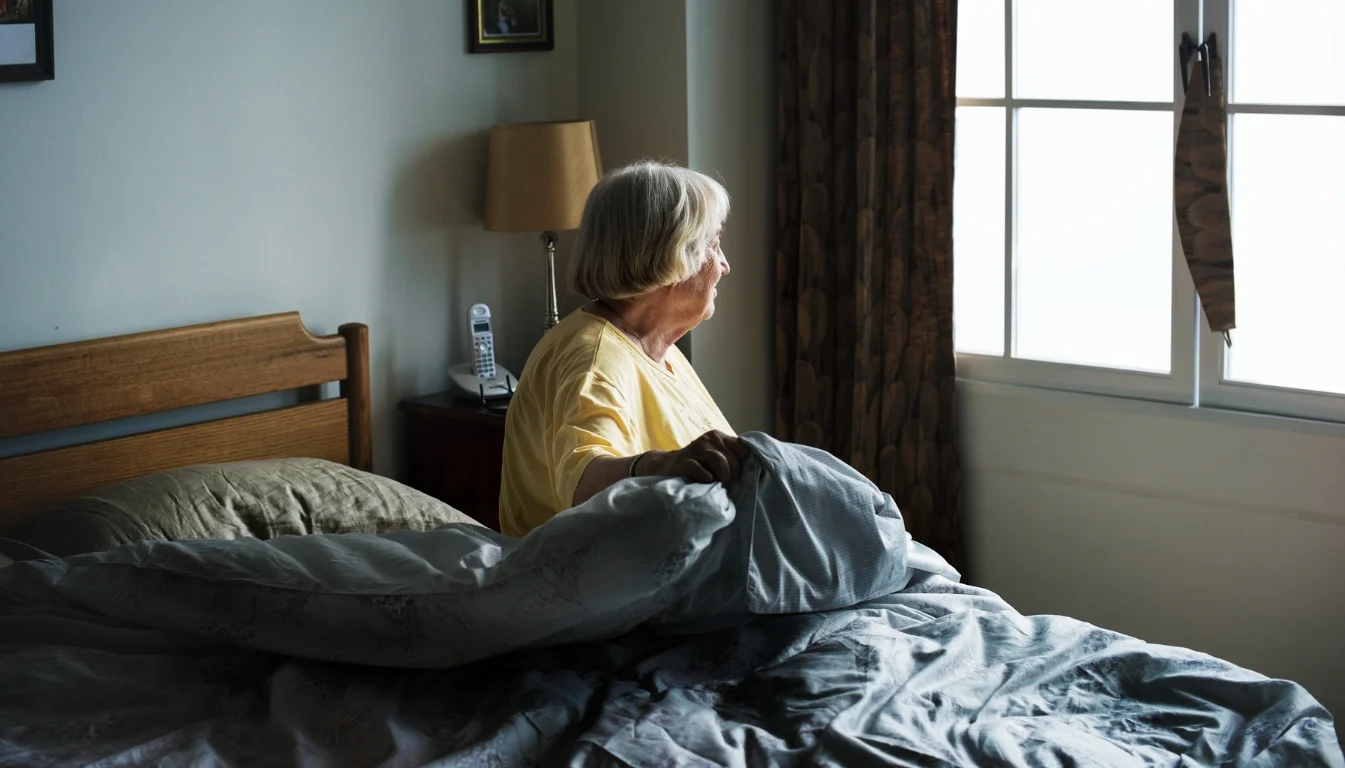
How Does Loneliness in Nursing Homes Affect Senior Mental Health?
Transitioning into a care facility is a significant life change for many seniors in the USA. While these settings provide necessary physical care, the emotional shift can be difficult. Loneliness in nursing homes often develops when residents feel disconnected from their previous social circles. It is a quiet issue that deeply impacts the overall well-being of the elderly population today.
The Mental Impact of Loneliness in Nursing Homes
When seniors lack meaningful social interaction, their psychological health can decline rapidly. Loneliness in nursing homes is frequently linked to increased feelings of sadness and a loss of purpose. Constant isolation makes it difficult for residents to maintain a positive outlook on their daily lives. Understanding the psychological effects of isolation is crucial for developing better support systems for aging adults.
Recognizing the Physical Signs of Emotional Distress
The mind and body are closely linked, especially in later stages of life. Chronic emotional disconnection can lead to physical symptoms like high blood pressure or a weakened immune system. You might notice a resident becoming less active or losing interest in their meals. These somatic health indicators suggest that the individual is struggling with more than just a physical ailment or condition.
Cognitive Decline Linked to Lack of Social Stimulation
Social engagement is a vital component of maintaining cognitive sharpness as we age. Without regular conversation and mental activity, the risk of cognitive decline increases significantly. Residents who experience loneliness in nursing homes may struggle more with memory and focus over time. Maintaining mental acuity requires a consistent environment where social and intellectual stimulation are part of the daily routine.
Overcoming Barriers to Professional Mental Health Care
Many nursing homes focus primarily on medical needs rather than emotional support. 24/7 DCT offers a solution by providing specialized care that reaches seniors wherever they are located. Accessing professional support helps residents work through feelings of abandonment or grief. Utilizing geriatric mental health services ensures that emotional needs are handled with the same importance as physical needs.
Benefits of Online Therapy for Seniors in Facilities
Digital platforms allow seniors to connect with licensed professionals without needing to arrange transportation. This is particularly helpful for residents with mobility issues who cannot easily leave the facility. Through 24/7 DCT, individuals can participate in private sessions from their own rooms. Effective telehealth for seniors provides a safe space to discuss personal challenges and develop healthy coping mechanisms.
Improving Connectivity for Residents in Different States
Availability of care should not be limited by geographic location or facility staffing levels. Whether a resident is in Ohio, Alabama, or Illinois, they can access high-quality emotional support online. This connectivity helps bridge the gap between facility life and the outside world. Providing digital counseling access ensures that no senior has to manage their emotional journey without professional guidance.
Supporting Families in Managing Senior Well-being
Families often feel concerned about the emotional state of their loved ones in care facilities. Encouraging participation in professional support can alleviate some of this shared stress. It provides the senior with a dedicated advocate for their mental wellness. Addressing loneliness in nursing homes through a collaborative approach helps families feel more confident in the care their relatives receive.
If you are concerned about a loved one, you can book a session through our secure portal or contact us to learn more about our services. A licensed professional will help you understand how to support a senior’s mental health journey.
Helpful External Resources
- National Institute on Aging (NIA): Research on social isolation and loneliness.
- Medicare.gov: Information on mental health coverage and telehealth eligibility for seniors.
- Medicaid.gov: Guidance on state-specific behavioral health benefits for residents in care.
- National Council on Aging (NCOA): Programs and resources for improving the lives of older adults.
FAQs

License: PhD, LCSW, LCAC
Years of Experience: 23 years+
Dr. Amanda Slaten is a sound leader with 23 years of experience in Behavioral Health. She has a bachelor’s degree in Psychology, a master’s degree in Social Work, and maintains two master’s level clinical license(s) of Licensed Clinical Social Worker (LCSW) and Licensed Clinical Addictions Counselor (LCAC). In addition, Dr. Slaten obtained a PhD in Business Psychology to affirm her commitment to leadership within the Behavioral Healthcare industry. She is a compassionate leader that has dedicated her professional career towards advancing service delivery for treatment of mental health and addiction.