
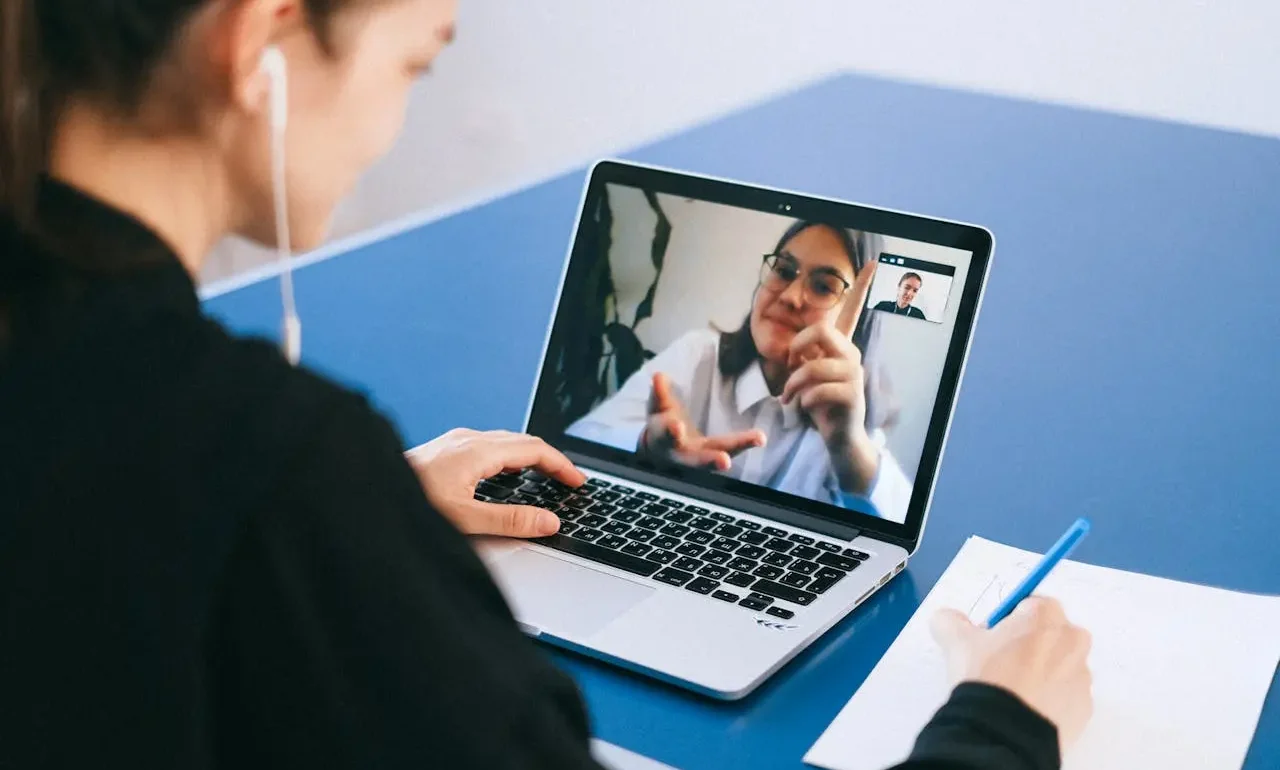
Is Virtual Mental Health Therapy Safe and Confidential?
A lot of people feel comfortable searching for therapy online. But they still hesitate before booking the first session. One question usually comes up first: Is Virtual Mental Health Therapy actually private?
That concern makes sense. Therapy involves personal conversations, emotional struggles, and sensitive details. Nobody wants that information exposed. And honestly, many people in the USA still wonder how online sessions work behind the screen.
The good news is that licensed providers follow strict privacy rules during Virtual Mental Health Therapy sessions. Platforms used by providers like 24/7 DCT are designed to protect client information while offering flexible emotional support from home. Online therapy privacy standards now play a major role in modern mental healthcare.
Why Privacy Matters During Online Therapy Sessions
Mental health conversations often include grief, trauma, anxiety, family issues, or burnout. People need space to speak openly without fear. That is why HIPAA-compliant therapy platforms are important.
HIPAA stands for the Health Insurance Portability and Accountability Act. It is a U.S. law that protects medical information. Therapists using secure systems must protect session records, communication tools, and appointment details.
For example, a therapist should never hold sessions through unsecured public apps. Professional providers use encrypted systems designed for healthcare communication. And yes, that difference matters more than people think.
Many adults choose virtual mental health therapy because it allows private emotional support without traveling to a physical clinic.
How Virtual Mental Health Therapy Protects Personal Information
Security in online therapy is not only about passwords. Several layers work together behind the scenes. Encrypted video therapy sessions help prevent unauthorized access during conversations.
Here are common protections reputable providers use:
- Secure login systems
- Encrypted video calls
- Protected session notes
- Confidential messaging tools
- Limited staff access to records
The structure behind virtual mental health therapy is designed to reduce privacy risks while keeping communication simple for clients. A therapist also has ethical responsibilities. They cannot legally share private information without permission except in specific safety situations required by law.
At 24/7 DCT, online-only sessions are designed to support privacy while keeping therapy accessible for adults managing everyday emotional challenges. Confidential mental health support depends on both technology and professional ethics.
What Clients Can Do to Keep Sessions Private at Home
Now here is the part many articles skip. Privacy also depends on the client’s environment. Even secure therapy software cannot stop interruptions inside a busy house. Small changes can make sessions feel safer:
Choose A Quiet And Personal Space For Therapy Calls
A bedroom, parked car, or quiet office corner often works better than shared spaces. Private telehealth therapy tips help people feel more relaxed during sessions.
Some clients use headphones to reduce outside noise. Others turn on white noise machines outside the door. It sounds simple, but it helps.
A quiet environment often helps people focus better during virtual mental health therapy sessions from home.
Avoid Public Wi-Fi During Therapy Sessions
Coffee shop internet may seem convenient. But public networks are less secure. A protected home connection is usually safer for secure online counseling sessions.
And yes, people forget this all the time.
Understand The Provider’s Privacy Policy
Before booking, read the provider’s privacy information carefully. Legitimate therapy practices explain how records are stored and protected. Mental health data protection should never feel vague or hidden.
Are Online Therapy Sessions As Safe As In-Person Therapy?
In many cases, yes. Online therapy can provide similar privacy protections when secure systems are used properly. Teletherapy safety standards have improved significantly over recent years.
For many working adults, virtual mental health therapy offers flexibility without sacrificing professional confidentiality standards.
Still, virtual therapy is different from in-person care in a few ways:
| Virtual Therapy | In-Person Therapy |
|---|---|
| Flexible scheduling | Physical office setting |
| Home-based comfort | Face-to-face interaction |
| Requires an internet connection | No technology barriers |
| Privacy depends partly on the home environment | Controlled office privacy |
Helpful Mental Health Resources And Support Tools
Trusted mental health resources can help people understand therapy and emotional support options more clearly. Mental wellness education resources are especially useful before starting counseling.
Helpful resources include:
- National Institute of Mental Health (NIMH)
- Substance Abuse and Mental Health Services Administration(SAMHSA)
- 988 Suicide & Crisis Lifeline
People experiencing grief-related emotional struggles may also find these resources helpful:
- Grief Therapy Articles
- Healing From Loss: How Grief Therapy Can Help You Move Forward
Final Thoughts On Virtual Mental Health Therapy
Privacy concerns around online counseling are understandable. Therapy should feel emotionally safe, not stressful. But licensed providers using secure systems can offer strong confidentiality protections during virtual mental health therapy sessions.
The most important thing is choosing a trustworthy provider, understanding privacy practices, and creating a comfortable environment for conversations. Digital therapy confidentiality works best when both the provider and client take privacy seriously.
24/7 DCT offers online-only therapy sessions designed to support emotional well-being through secure and flexible care options.
Book a session or contact us if you would like guidance about getting started with online therapy.
FAQs
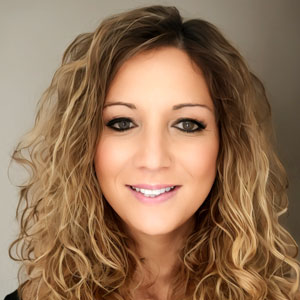
License: PhD, LCSW, LCAC
Years of Experience: 23 years+
Dr. Amanda Slaten is a sound leader with 23 years of experience in Behavioral Health. She has a bachelor’s degree in Psychology, a master’s degree in Social Work, and maintains two master’s level clinical license(s) of Licensed Clinical Social Worker (LCSW) and Licensed Clinical Addictions Counselor (LCAC). In addition, Dr. Slaten obtained a PhD in Business Psychology to affirm her commitment to leadership within the Behavioral Healthcare industry. She is a compassionate leader that has dedicated her professional career towards advancing service delivery for treatment of mental health and addiction.