
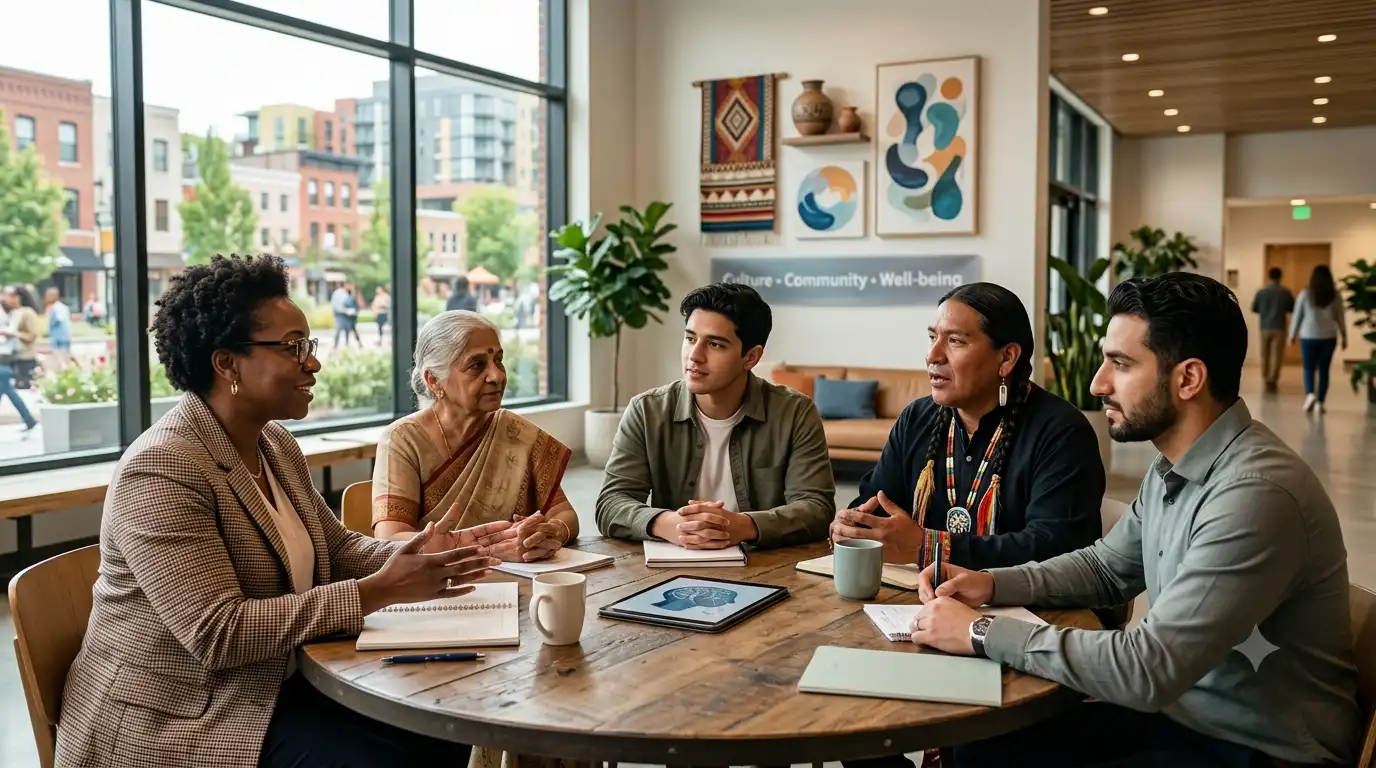
The Intersection of Culture and Mental Health: Addressing Unique Challenges
Understanding Mental Health in Diverse Cultures
The intersection of culture and mental health is a complex and multifaceted issue that affects individuals and communities worldwide. Culture plays a significant role in shaping our beliefs, values, and behaviors, including how we perceive and manage mental health concerns. Cultural differences can also create barriers to mental health care, including stigma, limited culturally informed services, and language challenges. This perspective often matters to organisations, providers, and community leaders working across culturally diverse populations.
One of the biggest challenges in addressing the intersection of culture and mental health is overcoming the stigma surrounding mental illness within different cultural contexts. In some cultural settings, mental health concerns carry stigma that discourages people from seeking support. Additionally, mental health stigma can lead to discrimination, marginalization, and social exclusion, which can further exacerbate mental health issues. 24/7 DCT provides access to professional mental health services through its online counseling therapy and broader mental health services designed to support diverse needs.
For additional support and reliable information:
- For evidence-based nutrition guidance, visit Nutrition.gov
- For mental health education and research updates, visit the National Institute of Mental Health
How Do Cultural Differences Create Barriers to Accessing Mental Health Services?
Cultural differences can also create unique challenges in accessing mental health services. For example, language barriers can make it difficult for individuals to communicate their symptoms and needs. At the same time, cultural differences in health beliefs and practices can affect how individuals perceive and respond to mental health concerns. Furthermore, cultural beliefs about mental health can influence help-seeking behaviors, as some cultures may prefer to seek traditional or spiritual healing methods over Western medicine.
How Can We Improve Mental Health Care for Culturally Diverse Populations?
To address these challenges, mental health providers must have a deep understanding of cultural differences and how they affect mental health care. Culturally competent care means understanding and respecting different cultures’ values, beliefs, and practices and using this knowledge to provide adequate and appropriate treatment. It also involves providing mental health services in a language that the individual understands and tailoring treatment to fit the individual’s cultural context.
Additionally, community-based approaches to mental health care can help address the intersection of culture and mental health. Community-based programs can provide culturally specific mental health services, promote mental health education, and reduce stigma by engaging with communities and providing accessible and relevant resources.
The intersection of culture and mental health is a critical issue that requires thoughtful consideration and action. By recognizing and addressing the unique challenges and barriers faced by individuals from diverse cultural backgrounds, mental health providers and community organizations can improve access to care and promote mental wellness for all. We can create a more inclusive and supportive mental health system that values and respects cultural diversity through culturally competent care, education, and community-based approaches.
Our 24/7 DCT is dedicated to offering continuous mental health support. For immediate assistance, to book a session, and for understanding care, contact us at any hour. Your journey to wellness is important to us—let us be there for you every step of the way.

License: PhD, LCSW, LCAC
Years of Experience: 23 years+
Dr. Amanda Slaten is a sound leader with 23 years of experience in Behavioral Health. She has a bachelor’s degree in Psychology, a master’s degree in Social Work, and maintains two master’s level clinical license(s) of Licensed Clinical Social Worker (LCSW) and Licensed Clinical Addictions Counselor (LCAC). In addition, Dr. Slaten obtained a PhD in Business Psychology to affirm her commitment to leadership within the Behavioral Healthcare industry. She is a compassionate leader that has dedicated her professional career towards advancing service delivery for treatment of mental health and addiction.