Coping with Grief and Loss: Strategies for Healing
Grief and loss are universal experiences that can be triggered by a variety of events, such as the death of a loved one, the end of a relationship, or a significant life change. Coping with grief and loss can be a challenging and overwhelming process, but some strategies can help individuals heal and move forward.
How Can You Cope with Grief and Loss Using Strategies for Healing?
Coping with grief and loss involves a combination of emotional, psychological, and practical strategies aimed at promoting healing. Key strategies include acknowledging and expressing your feelings, which can be facilitated through talking with supportive friends, family, or a therapist
Acknowledge Your Emotions
One of the most important steps in coping with grief and loss is acknowledging your emotions. Grief can manifest in a variety of ways, such as sadness, anger, guilt, or confusion. It is essential to allow yourself to feel these emotions, as they are a natural part of the grieving process. Trying to suppress or ignore your emotions can prolong the healing process and lead to more significant emotional distress.
Reach Out for Support
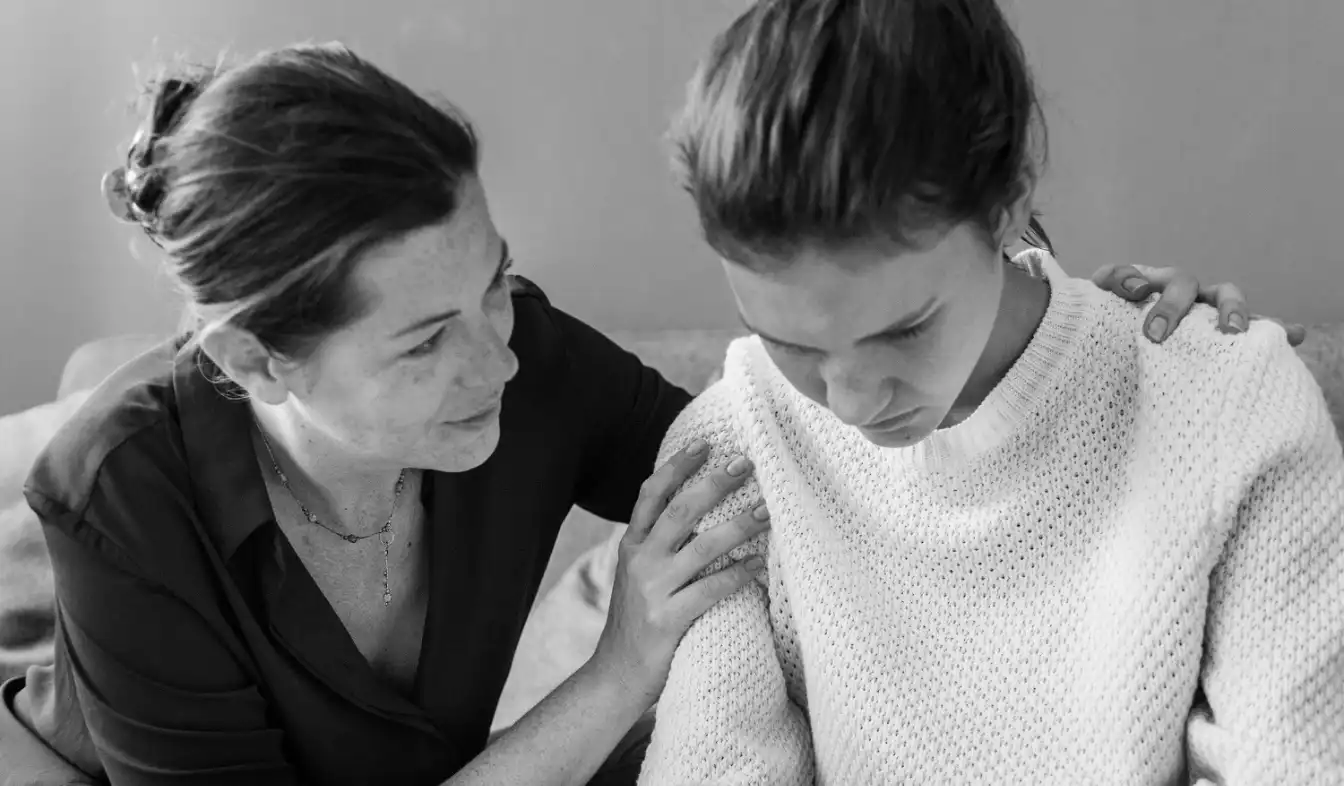
Grief and loss can be isolating experiences, but it is essential to reach out for support. Talking to trusted friends, family members, or a mental health professional can provide a safe space to process your emotions and receive validation and understanding. Joining a support group or online community can also offer a sense of connection with others who are experiencing similar challenges.
Take Care of Yourself
Coping with grief and loss can be physically and emotionally draining, so it is crucial to prioritize self-care. Engage in activities that bring you joy and relaxation, such as exercise, hobbies, or spending time in nature. Take care of your physical health by getting enough sleep, eating a balanced diet, and avoiding excessive alcohol or substance use.
Create a Meaningful Ritual
Creating a meaningful ritual can be a powerful way to honor the memory of a loved one or acknowledge a significant life change. This could be something as simple as lighting a candle or writing a letter to your loved one. By engaging in a meaningful ritual, you can create a sense of closure and acceptance.
Set Realistic Expectations
Coping with grief and loss is a gradual process that requires time and patience. It is essential to set realistic expectations for yourself and avoid putting pressure on yourself to “get over it” quickly. Remember that grief is a unique and individual experience, and there is no right or wrong way to grieve.
Coping with grief and loss can be a challenging and overwhelming process, but some strategies can help individuals heal and move forward. By acknowledging your emotions, reaching out for support, taking care of yourself, creating a meaningful ritual, and setting realistic expectations, you can begin to navigate the complex journey of grief and find a sense of healing and peace. Schedule a virtual appointment and contact us 24/7 DCT today to receive professional guidance and care during your healing process.

License: PhD, LCSW, LCAC
Years of Experience: 23 years+
Dr. Amanda Slaten is a sound leader with 23 years of experience in Behavioral Health. She has a bachelor’s degree in Psychology, a master’s degree in Social Work, and maintains two master’s level clinical license(s) of Licensed Clinical Social Worker (LCSW) and Licensed Clinical Addictions Counselor (LCAC). In addition, Dr. Slaten obtained a PhD in Business Psychology to affirm her commitment to leadership within the Behavioral Healthcare industry. She is a compassionate leader that has dedicated her professional career towards advancing service delivery for treatment of mental health and addiction.