
How COVID-19 Pandemic Affected Mental Health in Our Communities?
The end of 2019 marked the beginning of the spread of COVID-19. Originating in China, COVID-19 quickly spread across the globe. Nearly every country experienced widespread illness and loss of life. Following its emergence, the World Health Organization (WHO) declared COVID-19 a global pandemic in March 2020. Many regions implemented strict lockdowns. Lockdowns were put in place, and only under dire circumstances could a person leave the safety of their home. By February 2021, over 108 million cases were reported worldwide.
Immediate Mental Health Impacts of COVID-19
The perceived threat of the virus was significant and widespread. It was an unprecedented global health crisis for most individuals. This situation significantly impacted mental health worldwide.
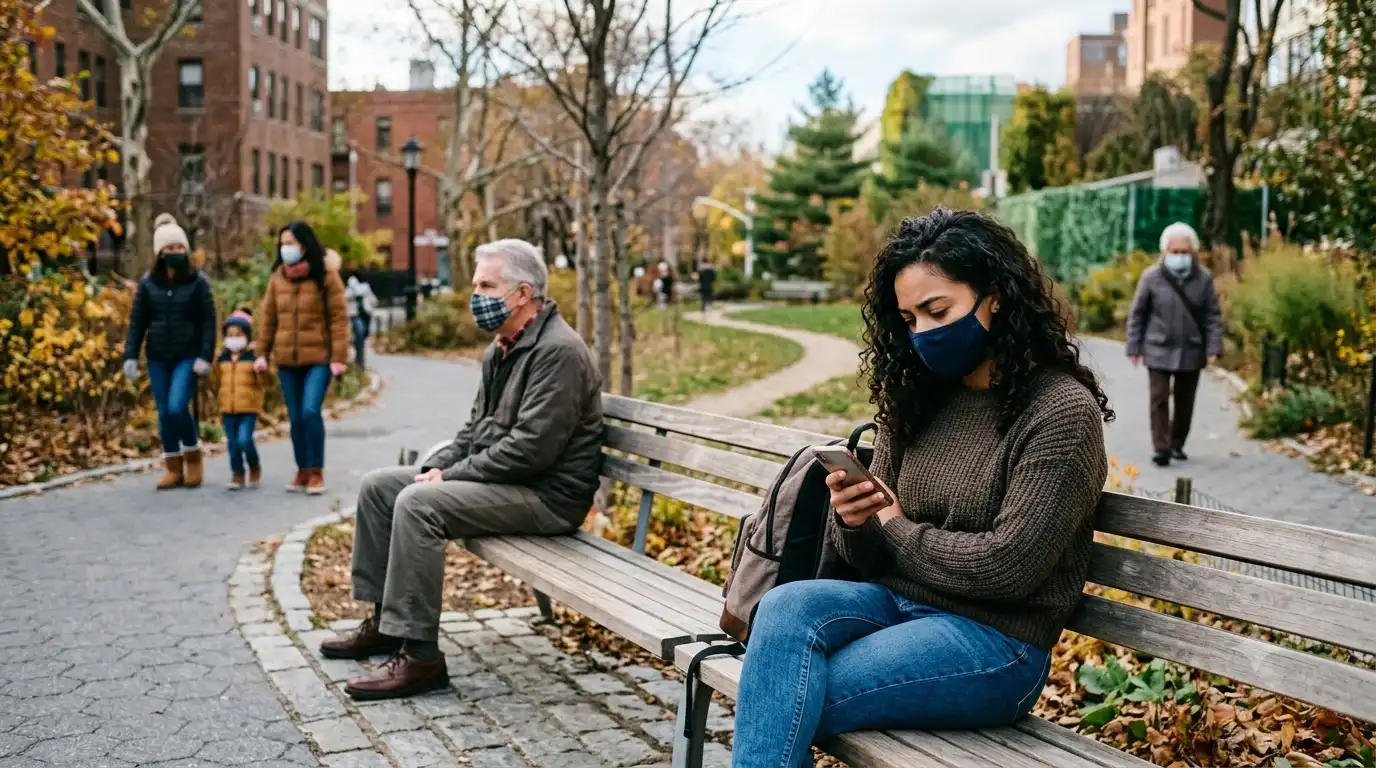
Many individuals experienced anxiety, depression, and panic attacks, compounded by grief over the loss of loved ones. Preventive measures included canceled flights and mandatory face masks in public. Social distancing, restrictions on gatherings, and the closure of schools and workplaces were also implemented.
While worldwide health authorities and the WHO worked on containing the outbreak, such a period of health crises has had serious repercussions on the human mind and emotional state of being. All these factors, and more, contributed to a major spike in the development of mental health problems in communities.
Impact of COVID-19 on Mental Health and Community Dynamics
Communities are a vital source of support during crises, providing not only support but prosocial responses as well. The COVID-19 pandemic has negatively impacted many people’s mental health and has created new barriers for people who were already facing some form of mental health issue. This has also led to a social disassociation among communities as people became more and more afraid of their neighbors for fear of the spread of the virus. Simultaneously, lockdown restrictions have forced communities that were already vulnerable to depend upon the support of fellow residents.
The combined health, social, and economic effects of COVID-19 intensified mental health challenges. Many people have reported not only psychological distress but also symptoms of depression, anxiety, or PTSD (post-traumatic stress disorder). Increased reports of suicidal ideation and behavior were also documented during this period.
Post-Pandemic Mental Health Challenges and Solutions
Mental health is more than the presence or absence of a mental illness. It is an interconnected pathway of emotional, psychological, and physical well-being. In the past three years, many people have faced challenges due to mental health. According to research, COVID-19 has led to isolation, both self and social, in addition to disconnection from friends and family.
Moreover, quarantine and lockdowns have restricted people they never thought possible. All these factors have led to people experiencing feelings of helplessness, grief, isolation, depression, and anxiety. As the world tries to get back on its feet, there have been continuing efforts to advocate for mental health and well-being in our communities.
There is an urgent need to increase mental health awareness. Communities must work together to offer effective support for individuals facing emotional challenges. These efforts are particularly relevant in underserved areas across Illinois, Ohio, and Alabama, where access to mental health care remains uneven.
24/7 DCT Online Mental Therapy is here to help.
For those seeking support, book a session or contact us today. Learn more about mental health support at the National Institute of Mental Health.

License: PhD, LCSW, LCAC
Years of Experience: 23 years+
Dr. Amanda Slaten is a sound leader with 23 years of experience in Behavioral Health. She has a bachelor’s degree in Psychology, a master’s degree in Social Work, and maintains two master’s level clinical license(s) of Licensed Clinical Social Worker (LCSW) and Licensed Clinical Addictions Counselor (LCAC). In addition, Dr. Slaten obtained a PhD in Business Psychology to affirm her commitment to leadership within the Behavioral Healthcare industry. She is a compassionate leader that has dedicated her professional career towards advancing service delivery for treatment of mental health and addiction.