Anxiety in Kids: Recognizing Early Signals and Therapy
As parents who have witnessed childhood anxiety, we understand how challenging it can be to watch a child struggle with overwhelming feelings. Anxiety in kids is more common than we might think, especially here in the USA. In this post, we’ll explore the early signs that indicate the presence of anxiety and address the importance of therapy and when to seek help.
Anxiety in children goes beyond typical worry or fear. It’s a persistent pattern of excessive worry that can significantly impact a child’s daily functioning. According to the CDC, anxiety disorders affect approximately 7% of children aged 3-17 in the United States, making them among the most common childhood mental health concerns.
Understanding Childhood Anxiety
Anxiety in children goes beyond typical worry or fear. It’s a persistent feeling of unease that can significantly impact a child’s daily life. In the USA, anxiety disorders affect about 10% of children between the ages of 3 and 17 and it is one of the most significant problems parents and caretakers face.
Common Signs of Anxiety in Kids
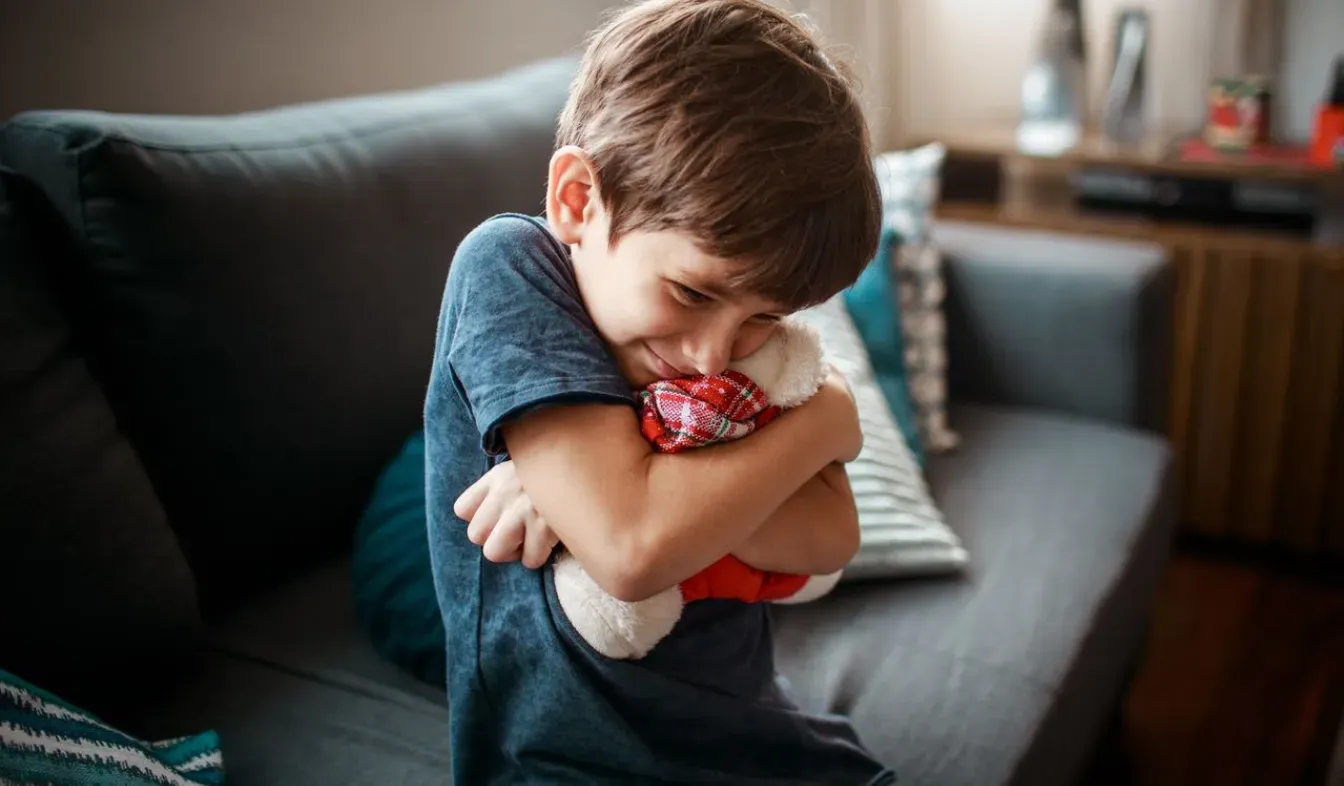
Recognizing anxiety in children requires attention to both behavioral and physical symptoms, which often vary by developmental stage:
- Persistent worries about everyday matters (school, friends, family safety)
- Sleep disturbances including difficulty falling asleep, staying asleep, or nightmares
- Somatic complaints like stomach aches or headaches without medical cause
- Avoidance of age-appropriate activities, social situations, or school
- Irritability, tantrums, or emotional outbursts when faced with anxiety-provoking situations
- Difficulty concentrating or restlessness
- Excessive reassurance-seeking or reluctance to separate from caregivers
In younger children (ages 3-7), anxiety may present primarily as separation concerns or specific fears, while older children might articulate more complex worries about performance or social acceptance.
The Impact of Anxiety on a Child’s Life
Anxiety impacts multiple areas of a child’s development:
- Academic performance: Difficulty concentrating, test anxiety, reluctance to participate, and school refusal can all interfere with learning
- Social relationships: Avoidance of social situations, difficulty joining groups, or fear of negative evaluation can limit peer connections
- Family dynamics: Parents may inadvertently accommodate anxious behaviors, creating cycles that reinforce anxiety
- Self-esteem: Persistent worry often leads to negative self-perception and reduced confidence in abilities
- Physical health: Chronic stress responses can affect sleep quality, immune function, and even long-term health outcomes
When to Seek Professional Help
While occasional worries are normal throughout development, consider professional consultation when:
- Anxiety symptoms persist for more than two weeks
- Your child’s worries interfere with daily activities or family functioning
- There are significant changes in sleep, appetite, or behavior
- Your child expresses feelings of hopelessness or social withdrawal
- School performance is declining due to worry, avoidance, or concentration difficulties
- Your child’s anxiety causes significant distress
Early assessment by a mental health professional can determine whether your child’s anxiety requires intervention and what approach would be most beneficial.
247 DCT values the importance of early intervention; therefore, we will connect you with the best help for your child.
Therapy for Children with Anxiety
Various forms of therapy, such as cognitive-behavioral therapy (CBT), are highly effective in treating childhood anxiety.
1. Cognitive Behavioral Therapy (CBT)
CBT helps kids find and change their negative thinking patterns. It’s like having your cheerleader to encourage you along. Cognitive Behavioral Therapy (CBT) Research consistently shows CBT is highly effective for childhood anxiety disorders. This approach helps children identify anxious thoughts, learn to evaluate them realistically, and gradually face feared situations in a supported way. CBT typically includes both child sessions and parent involvement
2. Play Therapy
Play Therapy Particularly effective for younger children (ages 3-10), play therapy provides a developmentally appropriate medium for expressing emotions and practicing coping skills. Through structured therapeutic play, children can process anxiety-provoking situations and develop mastery. Playing therapy, for young children, is a good educational way of expressing emotions and gaining coping skills.
3. Family Therapy
Since family dynamics often influence anxiety patterns, involving parents and sometimes siblings helps create a home environment that supports the child’s progress. Parents learn specific skills to respond to anxiety in ways that build resilience rather than reinforcing avoidance. Family members can join in therapy sessions to understand the anxious child better thereby creating a supportive environment for him or her.
4. Art Therapy
Art therapy provides a creative outlet for children to express emotions that may be difficult to verbalize.
5. Exposure-Based Therapies
A critical component of effective anxiety treatment involves gradually facing feared situations in a planned, supported manner. This process helps children learn that they can manage anxiety and that feared outcomes rarely occur.
Supporting Your Child at Home
Professional help, of course, is a necessity, but there’s a lot that we, as parents, can do to help our kids at home:
- Create peaceful, effective, and consistent routines
- Encourage an open conversation about emotions
- Teach relaxation techniques and practice them together
- Prioritizing healthy sleep habits is essential
- Set a good example of how you handle difficult situations
- Limit exposure to media that may increase anxiety, such as distressing news reports or intense social media discussions
- Validate feelings without reinforcing avoidance: Acknowledge your child’s anxiety with empathy (‘I see you’re feeling worried’), while gently encouraging brave behavior (‘Let’s figure out a way to handle this together’)
- Create predictability through routines, particularly around challenging transitions like mornings and bedtimes
- Teach and practice specific relaxation techniques such as deep breathing, progressive muscle relaxation, or guided imagery
- Model healthy coping by managing your own anxiety effectively and verbalizing your coping strategies
- Praise effort and brave behavior rather than focusing only on outcomes
- Establish healthy sleep hygiene practices, as sleep problems and anxiety often exacerbate each other
The Role of Schools in Supporting Children with Anxiety
Schools are vital places for children with anxiety. In the USA, many of the schools offer:
- School counselors trained in childhood anxiety
- Accommodations for kids who have anxiety
- Anti-bullying programs
- Mindfulness and relaxation activities
Get in touch with the school they attend to know the available options for help.
The Importance of Self-Care for Parents
Taking care of a child with anxiety can indeed be draining to one’s emotions. Therefore, mind yourself also:
- Ask for help from friends, family, or a trained group of supporters
- Combat stress by practicing techniques that you think work
- Keep your habits that are consistent and healthy
- Turn to therapy if that helps you too
Breaking the Stigma Around Childhood Anxiety
Anxiety is an existing mental illness rather than a sign of weakness or ineffective parenthood. By talking about childhood anxiety openly, we can break the stigma and hence encourage more families to seek the help they need.
The Role of Medication in Treating Childhood Anxiety
While psychotherapy (particularly CBT) is typically the first-line treatment for childhood anxiety, medication may be considered when:
- Anxiety symptoms are severe or significantly impairing
- The child hasn’t responded adequately to therapy alone
- Comorbid conditions like depression are present
Selective Serotonin Reuptake Inhibitors (SSRIs) have the strongest evidence base for treating childhood anxiety disorders and are generally prescribed by child psychiatrists or pediatricians with specialized mental health training. When medication is used, it works best in combination with therapy rather than as a standalone treatment.
Any decision about medication should involve careful discussion of potential benefits and risks, with ongoing monitoring by the prescribing physician.
Long-Term Outlook for Children with Anxiety
With the right treatment and support, a majority of kids with anxiety will go on to become functioning members of society. Research suggests that early intervention significantly improves long-term mental health outcomes for children with anxiety.
Research indicates that with appropriate intervention:
- 50-80% of children with anxiety disorders show significant improvement following evidence-based treatment
- Early intervention reduces the risk of anxiety persisting into adulthood
- Children who learn anxiety management skills often develop greater emotional resilience
- Even if anxiety symptoms return during stressful life transitions, having established coping skills helps children manage more effectively
However, some children may experience recurring anxiety over time and benefit from booster therapy sessions during challenging developmental transitions or stressful life events.
Resources for Parents of Children with Anxiety
Valuable resources for families include:
- The Anxiety and Depression Association of America (ADAA): Offers parent resources and a therapist finder tool
- Child Mind Institute: Provides excellent educational materials about childhood anxiety
- The ‘COPE’ program (Coping with Pre-teen/Teen Emotions): Evidence-based workbooks for children and teens
- ‘Helping Your Anxious Child’ by Ronald Rapee: A step-by-step guide for parents
- School psychology services, which can help coordinate support between home and school
- Remember that finding the right fit between your child and their therapist is important. Don’t hesitate to ask about a potential therapist’s experience with childhood anxiety and their treatment approach.
247 DCT also offers valuable resources and support for families navigating childhood anxiety.
Realizing and dealing with childhood anxiety is a vital job for the children undergoing it. However, our awareness, search for the needed help, and constant support of our kids are how we can achieve their happiness. You are not alone in this journey—support is available to help your child thrive. When you are armed with the right support system and proper resources like the 247 DCT, you can help conquer your children’s anxieties and grow into resilient beings.
At 24/7 DCT, we prioritize early intervention and personalized care. Contact us today to get connected with expert resources, or book a session to start your child’s journey toward a healthier future.

License: PhD, LCSW, LCAC
Years of Experience: 23 years+
Dr. Amanda Slaten is a sound leader with 23 years of experience in Behavioral Health. She has a bachelor’s degree in Psychology, a master’s degree in Social Work, and maintains two master’s level clinical license(s) of Licensed Clinical Social Worker (LCSW) and Licensed Clinical Addictions Counselor (LCAC). In addition, Dr. Slaten obtained a PhD in Business Psychology to affirm her commitment to leadership within the Behavioral Healthcare industry. She is a compassionate leader that has dedicated her professional career towards advancing service delivery for treatment of mental health and addiction.