
Am I Clingy? What It Really Means
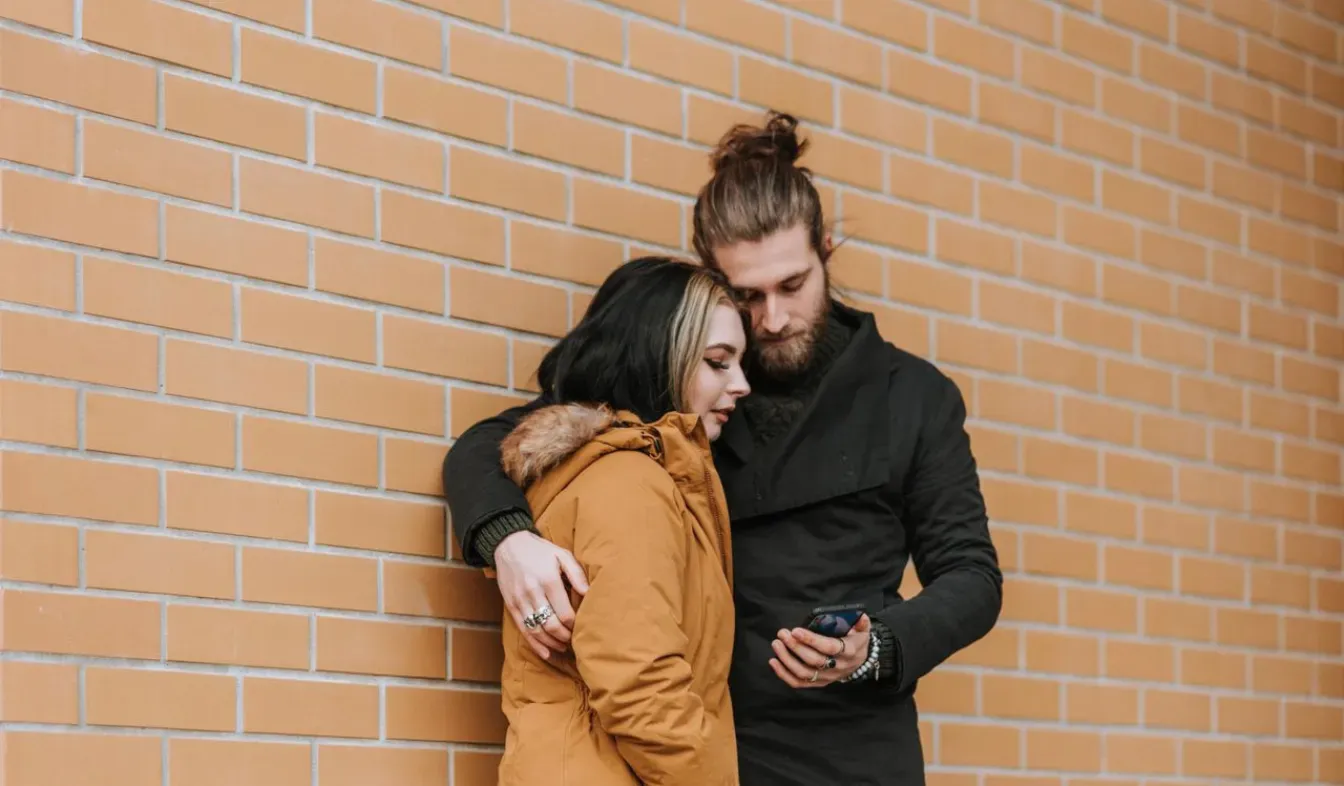
You may have asked yourself, “am I clingy?”—and felt unsure about the answer. Wanting closeness does not make you needy. In fact, many people confuse emotional availability with neediness. What matters is whether your closeness comes from connection—or fear. This blog will help you understand what clinginess really means and what it might be trying to tell you.
You Worry They’ll Leave If You Don’t Stay Close
One early sign of clinginess is a constant fear of being left behind. You may feel anxious when someone pulls away, even for a short time. If a partner takes longer to respond or needs space, your mind fills in the worst-case scenario.
This anxiety is not a flaw. It is usually rooted in past pain—often tied to relationships where love felt unpredictable. The fear of being abandoned shows up as a need to stay close at all costs.
You Need Constant Reassurance
Asking for reassurance is human. But when it becomes constant, it may signal emotional unease. You might ask, “Do you still love me?” even if nothing has changed.
If every silence feels like rejection, your nervous system is likely on high alert. You are not being dramatic. Your mind is trying to protect you from loss. This kind of fear often comes from early emotional wounds, not from anything broken in you.
You Struggle to Feel Okay on Your Own
One of the most revealing signs is difficulty spending time alone. You might feel restless, uneasy, or sad without your partner nearby. Being alone might bring up old fears or insecurities.
If you rely on others to calm your anxiety, that can create pressure in your relationships and leave you feeling unstable. Everyone needs comfort from others, but you also deserve to feel steady in your own company.
Closeness Feels Like Safety, But Also Like Risk
For many people who ask, “am I clingy?”, closeness offers comfort and fear at once. You crave it deeply, but also fear losing it. This tug-of-war creates emotional whiplash.
You want connection so badly that it becomes hard to breathe when someone pulls back. You may overthink every message, every delay, every shift in tone. That fear deserves compassion, not shame.
You Apologize for Expressing Normal Needs
If you often say “sorry” for needing reassurance, time, or touch, you might have been taught that your needs are a burden. Over time, this leads to internal conflict. You long for closeness, but feel guilty for wanting it.
Healthy relationships do not make you apologize for being human. They make room for both people’s needs. You should not feel punished for reaching out.
When Clinginess Feels Like the Only Option
Sometimes, clingy behavior is not about control it is about fear. When someone you care about pulls away, it can shake something deep. You cling, not to control them, but to feel safe again. The fear is not about needing too much. It is about not wanting to lose something that matters. That fear deserves understanding, not shame. Learning to sit with discomfort instead of chasing it away is how healing begins.
Where Clinginess Comes From
The real answer to “am I clingy?” usually starts with your past. Maybe love felt uncertain growing up. Maybe someone you depended on pulled away when you needed them most. That kind of history can shape how you hold on now.
These experiences teach your brain to fear distance. Clinginess is not weakness—it is a learned survival skill. The good news? You can unlearn it. With care, those patterns can shift.
How to Build Secure Attachment
If you feel overly attached or anxious in relationships, you are not broken. You just need new tools. Here are steps to try:
- Name the feeling without judgment
- Practice small moments of healthy space
- Journal what triggers your fears
- Build self-soothing habits that do not rely on others
- Talk to a therapist to unpack the root causes
At 24/7 DCT, our therapists understand attachment, anxiety, and emotional regulation. We work with people across Alabama, Illinois, and Ohio. You are never too much. You just need the right support.
How to Talk About It in a Relationship
It is okay to talk about your fears. Naming your feelings can reduce their intensity. Try saying:
- “Sometimes I feel anxious when I don’t hear from you.”
- “I know this is my fear talking, not something you did.”
- “Can we check in more regularly when we’re apart?”
Healthy partners want to know how to support you. They do not need you to be perfect. They just need your honesty and willingness to grow.
Helpful Resources to Explore
Not ready for therapy yet? Start learning with these tools:
- “Attached” by Amir Levine – A book on adult attachment styles
- Therapist Aid – Free worksheets on emotional regulation
- 24/7 DCT Podcast – Real talk about relationships and emotional healing
- The Gottman Institute – Research-backed tools for stronger connections
- Alabama Medicaid – For mental health coverage
- Medicare.gov – Info on covered therapy sessions
You Deserve Support That Feels Safe
Still wondering, “am I clingy?” The better question might be, “What am I afraid of?” Behind clinginess is often fear of being left, unseen, or forgotten. You are not too needy. You are just asking to be held with care.
Contact us today to learn more. You can book a session through our secure online form. We will listen without judgment and match you with a licensed therapist who truly understands.
FAQs

License: PhD, LCSW, LCAC
Years of Experience: 23 years+
Dr. Amanda Slaten is a sound leader with 23 years of experience in Behavioral Health. She has a bachelor’s degree in Psychology, a master’s degree in Social Work, and maintains two master’s level clinical license(s) of Licensed Clinical Social Worker (LCSW) and Licensed Clinical Addictions Counselor (LCAC). In addition, Dr. Slaten obtained a PhD in Business Psychology to affirm her commitment to leadership within the Behavioral Healthcare industry. She is a compassionate leader that has dedicated her professional career towards advancing service delivery for treatment of mental health and addiction.