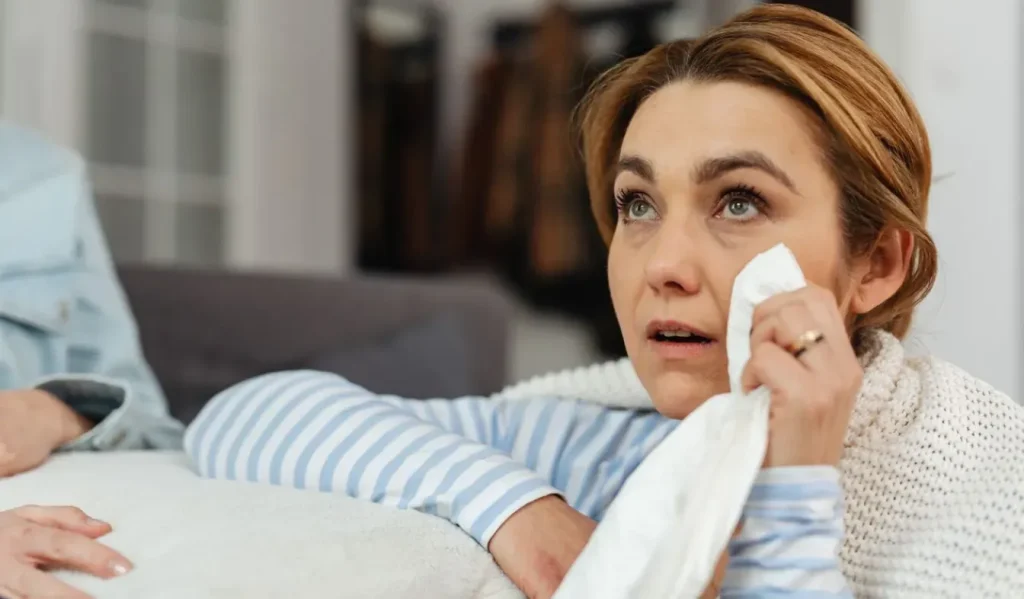

Signs You Might Need to Go to Couples Therapy
No relationship is perfect. Every couple has hard moments, tough conversations, or stretches of silence. But when disconnection becomes the norm, or arguments start to outnumber the calm, something deeper may be going on. Knowing when to seek help is not always clear. This guide will help you recognize real signs that couples therapy could make a difference.
You Keep Having the Same Argument
Do your disagreements feel like a loop? Maybe it starts with a small issue—chores, texting back, spending habits. But it always spirals. No matter how it begins, it ends with raised voices, silence, or one of you walking away.
This pattern is common—and exhausting. It means there is likely an unmet need that keeps getting missed. Couples therapy helps both partners get beneath the surface and communicate more clearly.
Fighting does not always mean you are mismatched. It might mean you both feel unheard. That is something therapy can address.
You Feel Like Roommates, Not Partners
When the emotional bond begins to fade, things can feel distant. You still share a home, maybe raise kids, or manage bills—but the warmth is missing. Intimacy drops. Conversations stay surface-level. Days start to blur into routines.
This kind of emotional drift is subtle. But over time, it leads to loneliness—even while living under the same roof.
Couples therapy helps reconnect you to the “why” behind your relationship. It opens the space for affection, curiosity, and shared goals to return.
You Avoid Difficult Conversations
If you hold back from telling the truth because it might lead to conflict, you are not alone. Many couples avoid hard topics to keep the peace. But unspoken frustration always builds up.
You might think:
- “It is not worth bringing up.”
- “They will just get defensive.”
- “This will turn into a fight.”
Silence Can Build a Wall. Avoiding tough conversations might feel like the easier choice. But over time, those unsaid things start to pile up. One quiet moment becomes two, then ten, until you barely talk about anything real. That kind of silence builds distance—and often turns into quiet resentment.
In couples therapy, you get a chance to speak without interruption or fear. A good therapist does not take sides. They help both of you feel safe enough to say what really needs to be said.
When Trust Starts to Crack
Trust breaks in more ways than people think. It is not always about cheating. It might come from constant letdowns, small lies, or promises that never get kept. These moments build slowly, but their impact runs deep.
Rebuilding trust is hard to do alone. You might not even know where to start. Couples therapy guides you to sort through the damage. It helps you rebuild emotional safety—not overnight, but step by step.
When the Thought of Leaving Creeps In
Maybe it was just a moment. A passing thought. “Would we both be better off apart?” If that question crossed your mind—or your partner’s—it deserves attention.
Thinking about leaving does not mean it is over. But it usually means something important feels missing. Talking about those thoughts with a therapist can open a door to real change.
Even if one of you is unsure, therapy can help both people find clarity and a new direction.
When You Know Things Could Be Better
Not all couples wait until things fall apart. Some go to therapy because they want to feel close again. They miss laughing together. They want deeper connection.
Wanting more is not being ungrateful. It is being honest. If your relationship feels stuck on “fine,” therapy can help you both remember what brought you together—and how to enjoy each other again.
More connection. More understanding. More joy.
Maybe the spark is gone. Maybe you are growing in different directions. You still love each other, but something feels off.
Couples therapy is not just for crisis. It is also for prevention. It helps strong relationships stay strong—and gives you tools for a better future together.
You Tried Fixing It On Your Own
Self-help books, podcasts, even heartfelt conversations—many couples try these first. And sometimes, they work. But if the same issues keep showing up, outside support can help.
You are not failing by asking for help. You are choosing to work toward change. That is a sign of strength—not weakness.
At 24/7 DCT, we make starting therapy easy. We match you with licensed professionals who understand real relationships—without judgment, pressure, or blame.
Helpful Tools for Couples
Not quite ready to begin therapy? Here are some helpful resources to explore on your own or with your partner:
- The Gottman Institute – Research-backed relationship advice
- Love Languages by Gary Chapman – Learn how you both give and receive love
- Where Should We Begin by Esther Perel – A podcast on real couples’ experiences
- 24/7 DCT Podcast – Honest talks from therapists about relationships
- Alabama Medicaid – Explore your therapy coverage
- Medicare.gov – Mental health benefits for eligible clients
Let Therapy Strengthen What Matters Most
Relationships take work. But you should not have to do it all alone. If you recognize yourself in any of these signs, it might be time to reach out.
Couples therapy is not about blame. It is about building a stronger foundation—together.
Contact us today to explore your options. You can book a session through our secure 24/7 DCT form. We are here to support both of you, every step of the way.
FAQs

License: PhD, LCSW, LCAC
Years of Experience: 23 years+
Dr. Amanda Slaten is a sound leader with 23 years of experience in Behavioral Health. She has a bachelor’s degree in Psychology, a master’s degree in Social Work, and maintains two master’s level clinical license(s) of Licensed Clinical Social Worker (LCSW) and Licensed Clinical Addictions Counselor (LCAC). In addition, Dr. Slaten obtained a PhD in Business Psychology to affirm her commitment to leadership within the Behavioral Healthcare industry. She is a compassionate leader that has dedicated her professional career towards advancing service delivery for treatment of mental health and addiction.