What Is Gender Dysphoria? Key Facts You Should Know
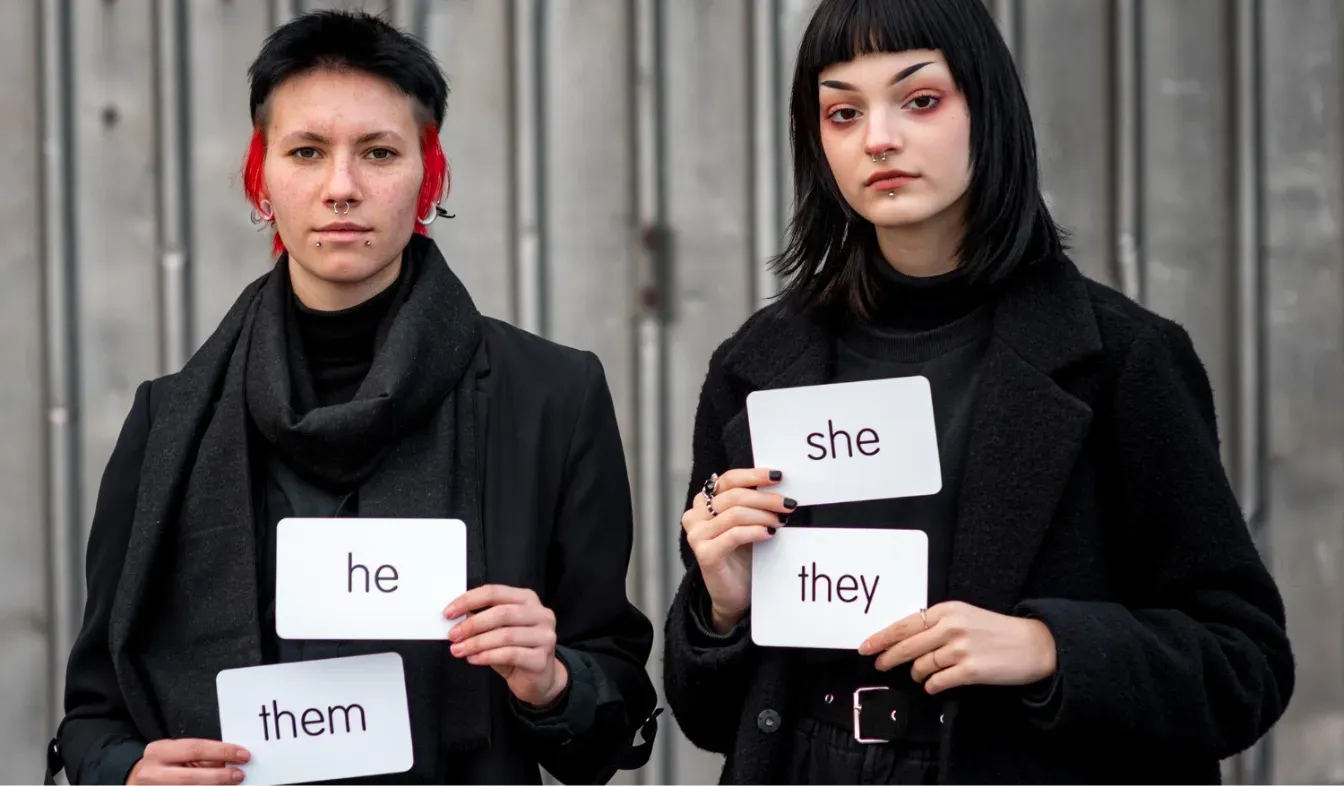
Every hour can be hampered by physical disquiet. Gender dysphoria is a term that explains a deep mismatch between inner gender and outward traits. Pinning down the term turns foggy pain into a problem you can solve. Life looks different in every state, but support should not.
Understanding Gender Dysphoria at Its Core
Clinicians define gender dysphoria as lasting discomfort with assigned sex features. The feeling reaches beyond clothing or hobbies. It tints mood, focus, and daily choices. A child may refuse a haircut day; an adult may dread hearing a legal name at work. Saying the word out loud eases tension because it offers a clear target for help.
Spotting Emotional Distress Signals
Prolonged unease often sparks emotional distress. Energy dips, patience thins, and fun activities lose flavor. You might flinch at mirrors or avoid group photos. Keep a pocket journal. Write one word for mood each night. After seven days, review the list. Patterns jump out and show when you need extra support or rest.
Untangling Identity Confusion
Pressure from family, culture, or faith can feed identity confusion. For one hour, you think, “I’m exaggerating.” The next, “I can’t handle this body another minute.” Anchor yourself with small truths: favorite music, core values, or trusted friends. These stable points remind you that you are more than labels while you explore long-term choices.
Tracking Daily Dysphoria Symptoms
Common dysphoria symptoms include chest tightness when dressing, panic during phone calls, or instant relief while wearing affirming clothes. Rate each episode from one to five in your journal. High scores mark moments that need quick tools—deep breaths, a supportive text, or a brisk walk. Data beats guesswork and fine-tunes treatment plans.
Finding Help and Hope
To rule out thyroid or hormone problems, begin with a primary care visit. Look for counselors with LGBTQ+ work training. Peer organizations provide legal advice, meetups, and online talks. For broader mental health support, 24/7 DCT matches you with clinicians who honor your pace and goals.
Tiny Habits That Ease Daily Strain
- Maintain a five-item wardrobe that feels right.
- Set phone reminders to breathe and stretch every two hours.
- Follow social accounts that celebrate diverse bodies.
- Keep a small “comfort kit” with earbuds, soft fabric, and affirming notes.
- These habits lower stress spikes while you craft bigger plans.
Valuable Resources
- Alabama Medicaid Agency – insurance details
- Medicare.gov – mental health benefits
- Trevor Project – 24-hour youth hotline
- Trans Lifeline – peer phone support
- WPATH – care guidelines
Contact us or book a session today. Skilled 24/7 DCT gender dysphoria counselors will guide you toward steadier moods and confident living.
FAQs

License: PhD, LCSW, LCAC
Years of Experience: 23 years+
Dr. Amanda Slaten is a sound leader with 23 years of experience in Behavioral Health. She has a bachelor’s degree in Psychology, a master’s degree in Social Work, and maintains two master’s level clinical license(s) of Licensed Clinical Social Worker (LCSW) and Licensed Clinical Addictions Counselor (LCAC). In addition, Dr. Slaten obtained a PhD in Business Psychology to affirm her commitment to leadership within the Behavioral Healthcare industry. She is a compassionate leader that has dedicated her professional career towards advancing service delivery for treatment of mental health and addiction.