

Understanding the Types of Psychiatrists and What They Do
You might Google “shrink near me” and land on ten titles you have never seen. Sorting those labels matters because the right expert saves time, money, and nerves. In this quick guide, I break down the main types of psychiatrists, explain what a first visit feels like, and show how residents of Ohio, Alabama, and Illinois can start care this week.
Five Common Specialties and Their Psychiatric Roles
- General adult psychiatrists treat mood swings, panic, and psychosis.
- Child-adolescent doctors mix talk, play, and family coaching.
- Geriatric specialists focus on memory loss, grief, and late-life sleep changes.
- Addiction psychiatrists guide detox, cravings, and relapse plans.
- Forensic experts evaluate mental status inside court cases.
Diagnoses, prescription planning, and regular check-ins to monitor progress are all part of each position.
What Happens During Your First Psychiatric Evaluation
Expect forty-five minutes of straight talk. The doctor asks about sleep, appetite, stress, and family history. You discuss goals, not labels. Blood work may rule out thyroid or vitamin issues. Bring a list of current pills and past side effects. Read a short prep sheet from the National Alliance on Mental Illness at NAMI so you walk in ready.
How Psychiatric Training Shapes Everyday Care
Picture a med-school graduate trading sleep for anatomy flash cards. After four intense years, that new doctor heads into a psychiatry residency. Days fill with clinic hours, late-night rounds, and lively debates about brain chemistry. Some doctors stop there. Others chase extra fellowships—child, addiction, geriatric, or forensic—because they want sharper tools. A child fellow learns how a video game meltdown differs from bipolar agitation. A geriatric fellow studies slower metabolisms, so grandma’s dose stays gentle. All that extra practice means your first visit feels personal, not one-size-fits-all
Knowing When to Ask for a Second Look
Medication should lift mood, steady sleep, and clear fog within a handful of weeks. Still feeling flat? Side effects stealing your focus? Schedule another chat. Bring a short list—energy, appetite, headaches—so the next mental health doctor sees the full puzzle. A second set of eyes can back up your current plan or suggest tweaks. Maybe you blend therapy with movement. Maybe you request a fresh psychiatric evaluation to rule out thyroid trouble. You deserve care that fits, and there’s zero shame in double-checking the map.
Finding the Right Mental Health Doctor
Start with your primary physician. Friends can share honest reviews, too. To find out your license status and any disciplinary notes, check your state board. Look for three signs at the initial consultation: the physician asks questions, discusses all of the options in simple terms, and listens without hurrying. If one signal feels off, keep searching.
Care Close to Home and Online
Distance should never block help. Through Psychiatric Services, 24/7 DCT offers in-person and virtual sessions across Ohio, Alabama, and Illinois. Evening appointments fit work or school schedules. Quick follow-up messages keep small issues from turning into crises. Flexible care means you stay on track even when life shifts.
Take the Next Step
Your plan begins with one click. contact us or book a session today. Our team answers within hours and pairs you with a psychiatrist who matches your needs and timeline.
FAQs
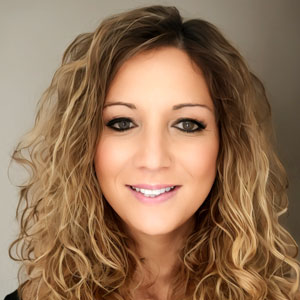
License: PhD, LCSW, LCAC
Years of Experience: 23 years+
Dr. Amanda Slaten is a sound leader with 23 years of experience in Behavioral Health. She has a bachelor’s degree in Psychology, a master’s degree in Social Work, and maintains two master’s level clinical license(s) of Licensed Clinical Social Worker (LCSW) and Licensed Clinical Addictions Counselor (LCAC). In addition, Dr. Slaten obtained a PhD in Business Psychology to affirm her commitment to leadership within the Behavioral Healthcare industry. She is a compassionate leader that has dedicated her professional career towards advancing service delivery for treatment of mental health and addiction.