
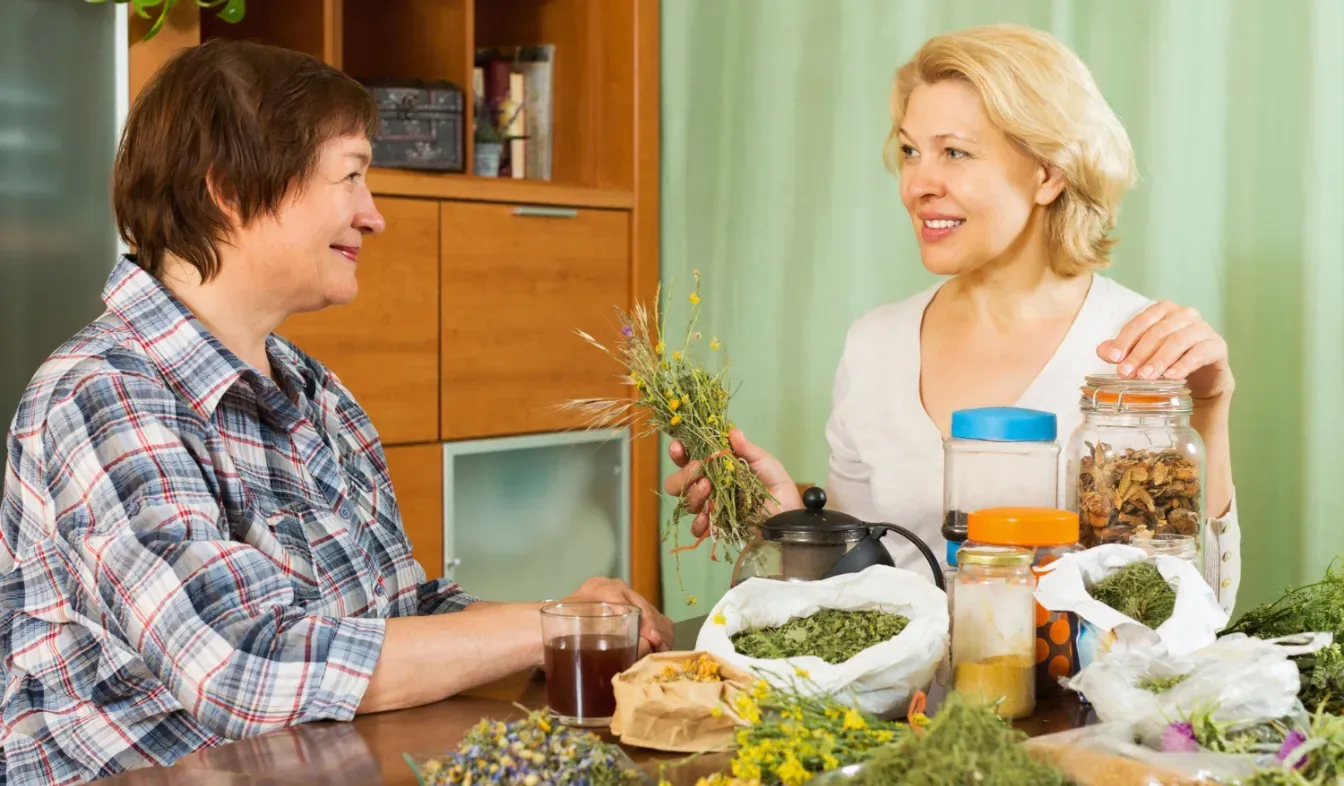
What Is Plant-Based Therapy and How It Helps
Tasks like pruning herbs, tilling the soil, or simply watering your plants can relax the mind. This plant-based therapy helps lift one’s mood, improves focus, and steadies the nerves. Counselors across Ohio, Alabama, and Illinois add garden time to treatment plans because roots and leaves offer calm without side effects. Below, learn how you can harvest relief in under ten minutes a day.
Why Plant-Based Therapy Works on the Brain
Sight, scent, and touch blend inside the limbic system—the brain’s emotion hub. When you smell basil or spot fresh blooms, heart rate slows and cortisol drops. Moving pots or raking paths adds gentle exercise, which boosts serotonin. Practicing plant-based therapy trains the nervous system to link slow breathing with green cues, so you carry calm indoors long after sunset.
Daily Steps for Busy People
- Pick one hardy houseplant: pothos or snake plants thrive on minimal care.
- Place it near your morning coffee spot.
- Spend three mindful breaths noticing leaf color and texture before checking messages.
Repeat each morning. This micro-ritual turns frantic starts into grounded ones. After a month, add outdoor tasks—water balcony herbs or weed a two-foot bed. Small, steady practice keeps plant-based therapy enjoyable, not overwhelming.
Natural Healing Therapy Beyond Houseplants
Botanical care stretches further than pots. Forest walks, community gardens, and public parks also count as natural healing therapy. Research from the University of Queensland shows twenty minutes among trees lowers blood pressure more than equal time on busy streets. Search your city’s parks department for volunteer days. Digging with neighbors builds social ties, another proven mood booster.
Blend Holistic Mental Care With Talk Sessions
Therapists at 24/7 DCT often pair soil work with conversation. You might journal feelings under an oak, then discuss insights during counseling. This mix delivers truly holistic mental care because mind and body practice calm together. If you prefer video visits, place your laptop beside a leafy plant; the visual cue still encourages slower breathing.
When You Prefer Therapy Without Medicine
Some clients avoid medication due to side effects or personal beliefs. Therapy without medicine still demands structure. Create a weekly “green plan”:
- Monday: mist indoor leaves.
- Wednesday: repot seedlings.
- Saturday: stroll the botanical garden.
Hold yourself accountable by marking tasks on a calendar. Consistency turns curiosity into a reliable coping skill.
One Handy Resource
The American Horticultural Therapy Association ( ahta.org ) lists simple garden projects and research updates. Bookmark it for practical ideas you can start tonight.
Ready to Grow Calm?
Your path to steadier days may begin with one seed. Contact us or book a session. Our clinicians serve Ohio, Alabama, and Illinois and will craft a plan that fits your schedule and space.
FAQs

License: PhD, LCSW, LCAC
Years of Experience: 23 years+
Dr. Amanda Slaten is a sound leader with 23 years of experience in Behavioral Health. She has a bachelor’s degree in Psychology, a master’s degree in Social Work, and maintains two master’s level clinical license(s) of Licensed Clinical Social Worker (LCSW) and Licensed Clinical Addictions Counselor (LCAC). In addition, Dr. Slaten obtained a PhD in Business Psychology to affirm her commitment to leadership within the Behavioral Healthcare industry. She is a compassionate leader that has dedicated her professional career towards advancing service delivery for treatment of mental health and addiction.