
PTSD Therapy Online: Coping with Flashbacks and Trauma
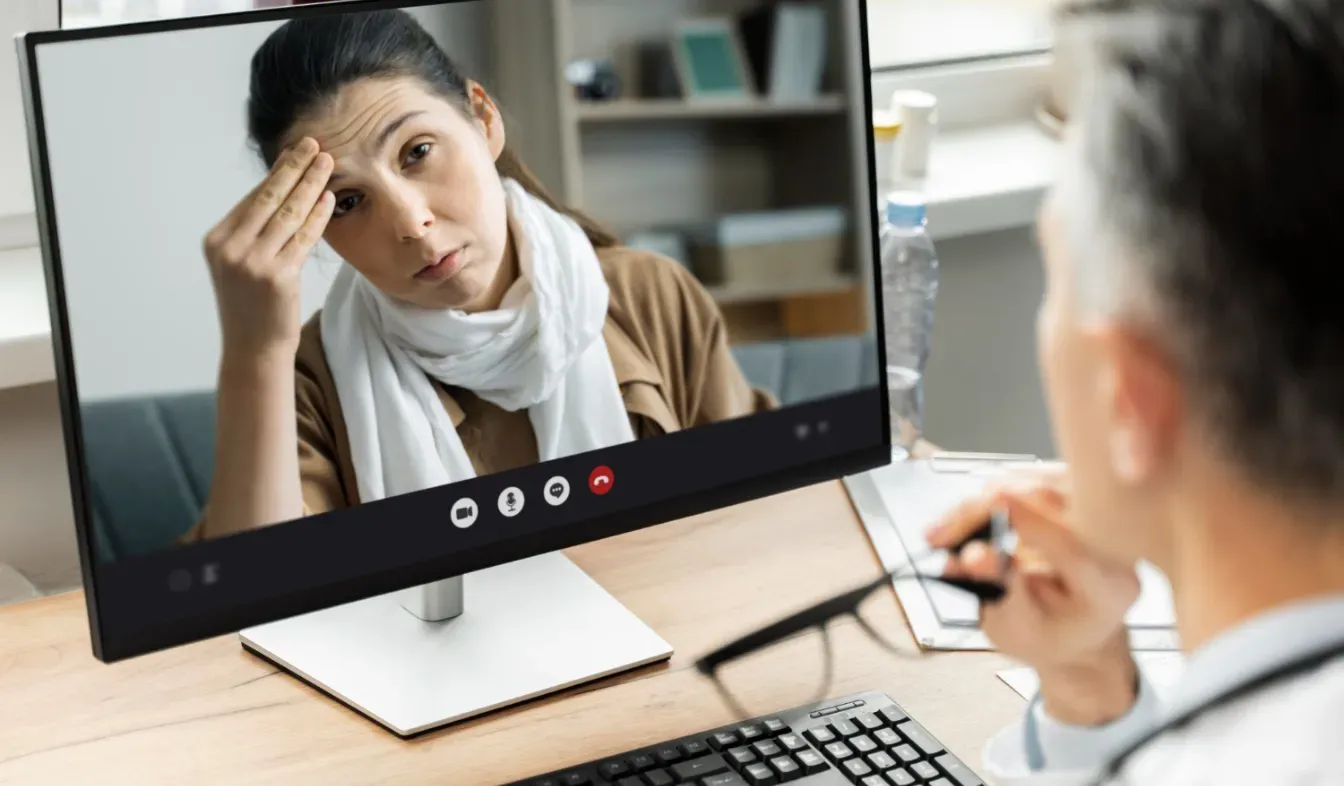
Flashbacks don’t book appointments. With PTSD Therapy Online, support meets you where you are screen glow soft, headphones on, door clicked shut. Speak if you can. Type if that’s easier. Or breathe for a minute until your hands stop shaking. The aim isn’t to erase the past tonight. It’s to steady your body now, then choose one next step.
Why PTSD Therapy Online Helps When Memories Won’t Stay Quiet
Trauma barges in without knocking. Online PTSD therapy removes travel and waiting rooms, so your limited energy goes into the work. A clinician helps you map flashback triggers, name hyperarousal symptoms, and sketch a micro-plan for the next twelve hours. Not perfect useful.
Format choice matters. Some days, a voice settles you. Other days, typing feels safer. With online PTSD therapy, flexibility keeps you showing up. Consistency beats intensity, especially when your nervous system is already loud.
Getting Started With Virtual PTSD Counseling
First sessions feel like orientation, not interrogation. With virtual PTSD counseling, you track recent spikes crowded aisles, slamming doors, sudden quiet and your patterns of nightmares and sleep. Your therapist explains the window of tolerance in plain language: the zone where you can process without overload.
You test one skill immediately. Short grounding techniques: five colors in the room, press both feet, name what you can smell or hear. You end with two micro-steps for the week. Clear. Doable. Kind to your nervous system.
Practicing Skills Through Trauma Therapy Online
Stability first, depth later. In trauma therapy online, you practice pacing: when to lean in, when to pause, when to anchor your body. A therapist might pair a brief cognitive reframe with a sensory reset palms on a cool mug, slower exhale, shoulders softened.
When a flashback hits, you run a simple sequence. Orient to the room. Label the year. Lower the jaw. Extend the exhale. Add a safety phrase you’ve rehearsed. Over time, online PTSD therapy turns these drills into portable skills you can carry into busy stores, echoing hallways, or late-night silence.
Building Trust With Licensed PTSD Therapists
Trust steadies everything. Licensed PTSD therapists explain privacy in clear terms what stays private, what’s documented, and the rare moments safety takes priority. No jargon, no guessing games. You pick video, phone, or chat the channel you can handle today.
Check-ins stay steady: what helped, what spiked, what we’ll tweak. Plans adjust without blame. With licensed PTSD therapists, progress looks practical: a calmer commute, fewer startle jolts, and one night with less tossing. Small, repeatable wins matter most.
Evidence-Based Paths In PTSD Treatment Online
You set the pace. PTSD treatment online blends skills with gradual processing so your system isn’t flooded. Some weeks are all stabilization; others include short memory work in small pieces. You decide when to pause. You decide when to widen the window.
Curious about EMDR online? Your clinician explains consent, structure, bilateral stimulation, and stop signals before any deeper work. For some, EMDR fits; for others, cognitive approaches and skills training do the heavy lifting. The point isn’t a perfect method it’s a plan that respects trauma-informed care and your capacity today.
Ready to Begin?
You don’t need to wait for a better week. Clinicians at 24/7 DCT provide online PTSD therapy that’s private, practical, and paced to your nervous system. Have a question or ready to start? Contact us or book a session. The moment you reach out, the plan begins.
FAQs

License: PhD, LCSW, LCAC
Years of Experience: 23 years+
Dr. Amanda Slaten is a sound leader with 23 years of experience in Behavioral Health. She has a bachelor’s degree in Psychology, a master’s degree in Social Work, and maintains two master’s level clinical license(s) of Licensed Clinical Social Worker (LCSW) and Licensed Clinical Addictions Counselor (LCAC). In addition, Dr. Slaten obtained a PhD in Business Psychology to affirm her commitment to leadership within the Behavioral Healthcare industry. She is a compassionate leader that has dedicated her professional career towards advancing service delivery for treatment of mental health and addiction.