
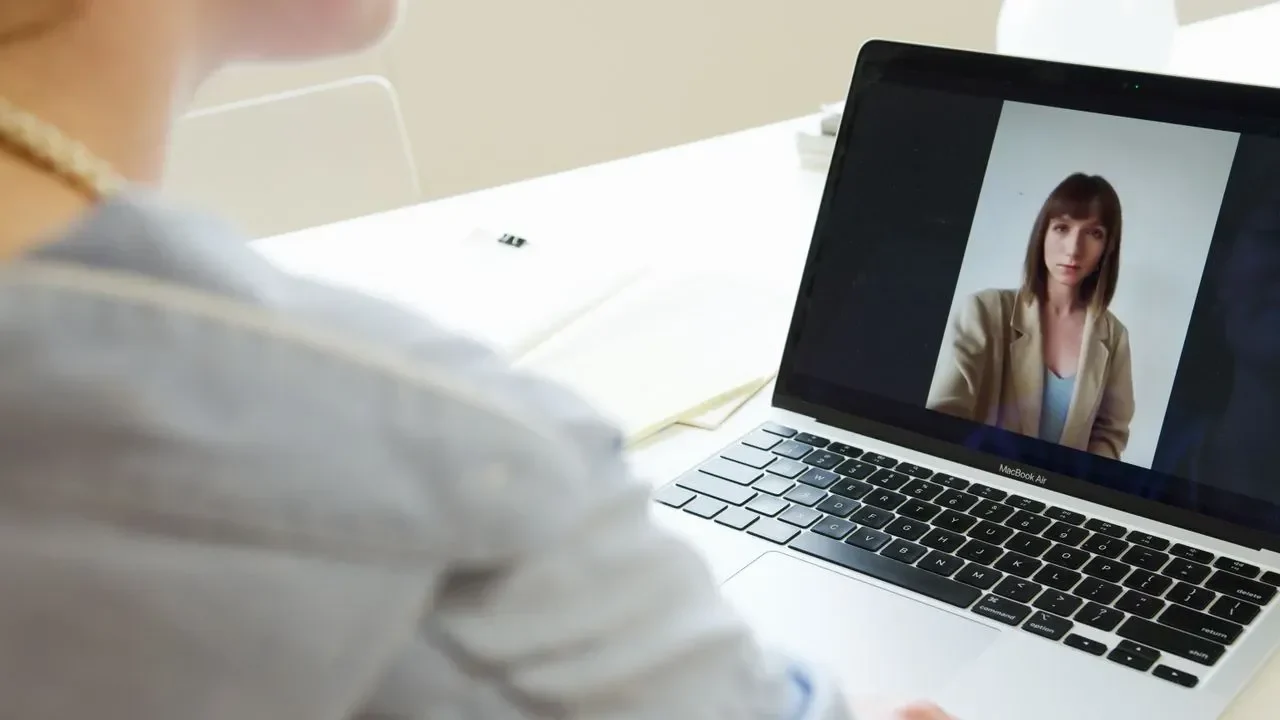
Online Trauma Therapy: How Virtual Sessions Help You Heal
Some days everything feels fine until it isn’t. A smell. A door slam. Your heart sprints before your brain catches up. With online trauma therapy, help meets you where you are screen glow soft, jaw unclenched slowly, hands warming around a mug. You can talk, type, or pause and breathe. The goal isn’t erasing the past tonight. It’s steadying now, then building steadier days.
Online trauma therapy saves energy for the work, not the commute.
Why Online Trauma Therapy Works When Life Is Loud
Trauma rarely respects schedules. Online trauma therapy fits late nights, lunch breaks, and messy mornings. A clinician helps map flashback triggers, name hyperarousal symptoms, and build a small plan you can run today. Not perfect useful.
Format choice matters. Some days, a steady voice settles your system. Others, typing feels safer. With online trauma therapy, flexible options keep you showing up. Consistency beats intensity when your nervous system is already dialed up.
Getting Started With Virtual Trauma Counseling
First sessions are orientation, not interrogation. With virtual trauma counseling, you’ll review recent spikes, tech privacy, and the window of tolerance that workable zone where processing is possible without overload.
You’ll test one stabilizing skill immediately. Simple grounding techniques: five colors in the room, both feet pressed, slow exhale longer than inhale. You end with two micro-steps for the week clear, kind, doable. Over time, online trauma therapy turns these tiny drills into portable skills for stores, hallways, or late-night quiet.
Skill Building In Trauma-Focused CBT Online
Cognitive Behavioral Therapy, adapted for trauma, keeps things practical. In trauma-focused CBT online, you track connections between thoughts, emotions, and body cues. You’ll map a recent spike and swap one link gentler reframe, smaller action, shorter exposure.
Example: the parking-lot jolt. You practice breath first, then a phrase that fits: “This is a reminder, not a threat.” Next, take a brief walk to prove your body can calm down. With online therapy, tiny experiments stack into real-world confidence.
Processing At Your Pace With EMDR Online Therapy
Many ask about Eye Movement Desensitization and Reprocessing. In EMDR online therapy, your clinician explains consent, structure, bilateral stimulation, and stop signals before any deeper work. You’ll practice somatic regulation jaw softening, shoulder drop, hand stretch so your body can stay present.
When you’re ready, processing happens in small pieces. You approach memory fragments safely, then re-anchor. It’s collaborative, paced, and reversible. Online trauma therapy respects capacity over calendar.
Care And Clarity From Licensed Trauma Therapists
Trust steadies everything. Licensed trauma therapists explain privacy plainly what stays private, what’s documented, and the rare times safety must take priority. No jargon. You choose video, phone, or chat the channel you can handle today.
Plans adjust without blame. Each week, you review what helped, what spiked, and what needs a softer approach. Inside online trauma therapy, progress looks practical: fewer startle jolts, a commute you finished, one night you actually slept.
Making Meaning Through PTSD Treatment Online
Stabilization first; meaning-making later. With PTSD treatment online, you’ll weave skills into narrative processing at your pace. Some weeks are all stabilization. Others, you briefly approach a hard chapter, then step back. You pair day routines (light, movement, food) with night buffers for sleep spikes.
Relapses happen. Instead of starting from zero, online trauma therapy shrinks tasks, adds a midweek touchpoint, and repeats a skill that worked. Momentum returns by inches, then holds.
Ready to Begin?
You don’t have to wait for a “better week.” Clinicians at 24/7 DCT provide online trauma therapy that’s private, flexible, and paced to your nervous system. Have a question or ready to start? Contact us or book a session. The moment you reach out, the plan begins.
FAQs

License: PhD, LCSW, LCAC
Years of Experience: 23 years+
Dr. Amanda Slaten is a sound leader with 23 years of experience in Behavioral Health. She has a bachelor’s degree in Psychology, a master’s degree in Social Work, and maintains two master’s level clinical license(s) of Licensed Clinical Social Worker (LCSW) and Licensed Clinical Addictions Counselor (LCAC). In addition, Dr. Slaten obtained a PhD in Business Psychology to affirm her commitment to leadership within the Behavioral Healthcare industry. She is a compassionate leader that has dedicated her professional career towards advancing service delivery for treatment of mental health and addiction.