
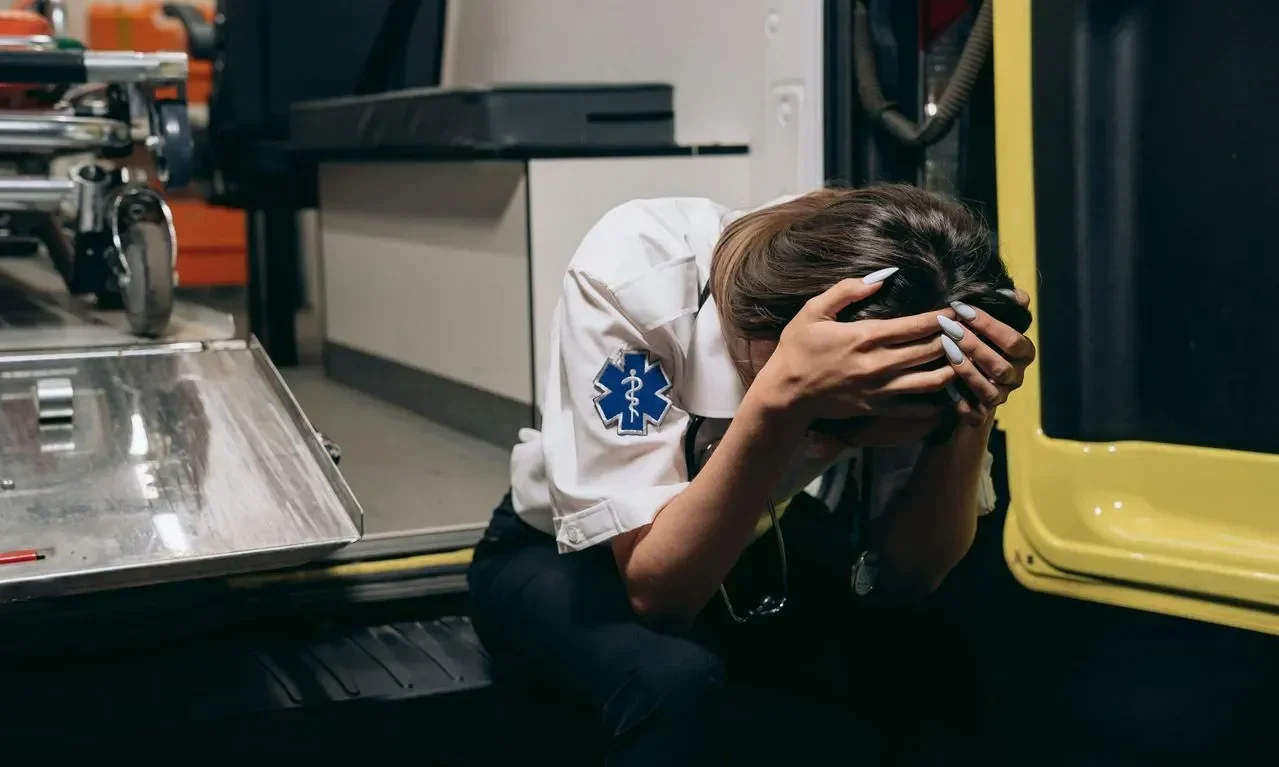
Online Mental Health Support for First Responders
Sirens fade. The body doesn’t. With online mental health support for first responders, help meets you where the gear finally drops locker room quiet, squad-car stillness, kitchen table at 2 a.m. Talk, type, or just breathe until words come back. The goal isn’t perfect calm tonight. It’s steadier minutes, then steadier days.
Online mental health support for first responders saves energy for the real work not the commute.
Why Online Mental Health Support for First Responders Works On Tough Schedules
Calls stack. Paperwork waits. Sleep slips. Online mental health support for first responders fits the mess shift changes, overtime, sudden call-backs. A clinician helps you map critical incident stress, name spikes, and build a short plan for the next twelve hours. Not pretty. Useful.
Format flexes. The video shows that a steady face helps. Chat when your voice won’t cooperate. Show up again especially after hard scenes. With online mental health support for first responders, consistency beats intensity.
Getting Started With Virtual Counseling for First Responders
The first session is orientation, not interrogation. With virtual counseling for first responders, you walk through recent calls, home stress, and shift-work sleep issues. You’ll agree on signals that say “pause now” jaw clench, tunnel vision, pacing.
You’ll test one skill immediately. Grounding in sixty seconds. Breath longer out than in. A phrase that holds: “I’m safe; this is after.” You leave with two micro-steps sized for tonight. In the following week, you’ll use virtual counseling for first responders to review honestly what helped, what didn’t and tighten the plan.
Skills In Motion With Telehealth Therapy for First Responders
Screens don’t dull the work. In telehealth therapy for first responders, you practice short drills for hot moments and the hours after: reset routines post-call, exit plans from tough memories, and quick re-entries before family time. You’ll address moral injury those collisions between duty and values using plain language and practical steps.
The goal isn’t to erase images. It’s to give your nervous system a lever. With telehealth therapy for first responders, levers multiply: breath cues in the cab, body scans in the station, three-sentence debriefs you can actually say.
Steady Guidance From Licensed Trauma Therapists
Trust keeps you returning. Licensed trauma therapists explain privacy without jargon what stays private, what’s documented, and rare moments when safety needs more support. You choose video, phone, or chat the channel you can handle today.
Plans adjust without blame. Weeks you’re slammed, tasks shrink. Weeks you’re steady, goals widen. With licensed trauma therapists, wins look practical: one calmer post-shift, one meeting you attended, one night you slept through.
When Trauma Sticks: Care With PTSD Treatment Online
If symptoms persist nightmares, startle, avoidance PTSD treatment online adds structure. You’ll practice exposure pacing, a gentler reframe for intrusive images, and sleep buffers that hold after night shifts. You’ll also pair tools with peer support programs, so skills live beyond the screen.
Relapses happen. Instead of starting at zero, online mental health support for first responders trims tasks, adds a midweek check-in, and repeats what worked. Forward is.
Building Durability Through Resilience Training Online
Grit isn’t enough. Systems help. With resilience training online, you stack small buffers: recovery breaths, hydration timing, caffeine cutoff, and movement at change-of-shift. You’ll work burnout prevention into real routines micro-breaks, boundary scripts, and a “not today” list when capacity thins.
Home matters, too. You’ll sketch family reintegration steps arrival rituals, a quiet signal when you need ten minutes, and a two-line check-in that keeps the connection without dumping the whole call on the table.
Resources & Next Steps
- Learn about symptoms, treatments, and how to prepare for care via NIMH: Post-Traumatic Stress Disorder.
- Explore support options and responder-focused guidance through SAMHSA’s resources for First Responders and Disaster Responders.
Ready to Begin?
You don’t have to carry all of it alone or in person. Clinicians at 24/7 DCT provide online mental health support for first responders that’s private, flexible, and built around real shifts. If one small step feels possible, contact us or book a session. The plan begins the moment you reach out.
FAQs

License: PhD, LCSW, LCAC
Years of Experience: 23 years+
Dr. Amanda Slaten is a sound leader with 23 years of experience in Behavioral Health. She has a bachelor’s degree in Psychology, a master’s degree in Social Work, and maintains two master’s level clinical license(s) of Licensed Clinical Social Worker (LCSW) and Licensed Clinical Addictions Counselor (LCAC). In addition, Dr. Slaten obtained a PhD in Business Psychology to affirm her commitment to leadership within the Behavioral Healthcare industry. She is a compassionate leader that has dedicated her professional career towards advancing service delivery for treatment of mental health and addiction.