
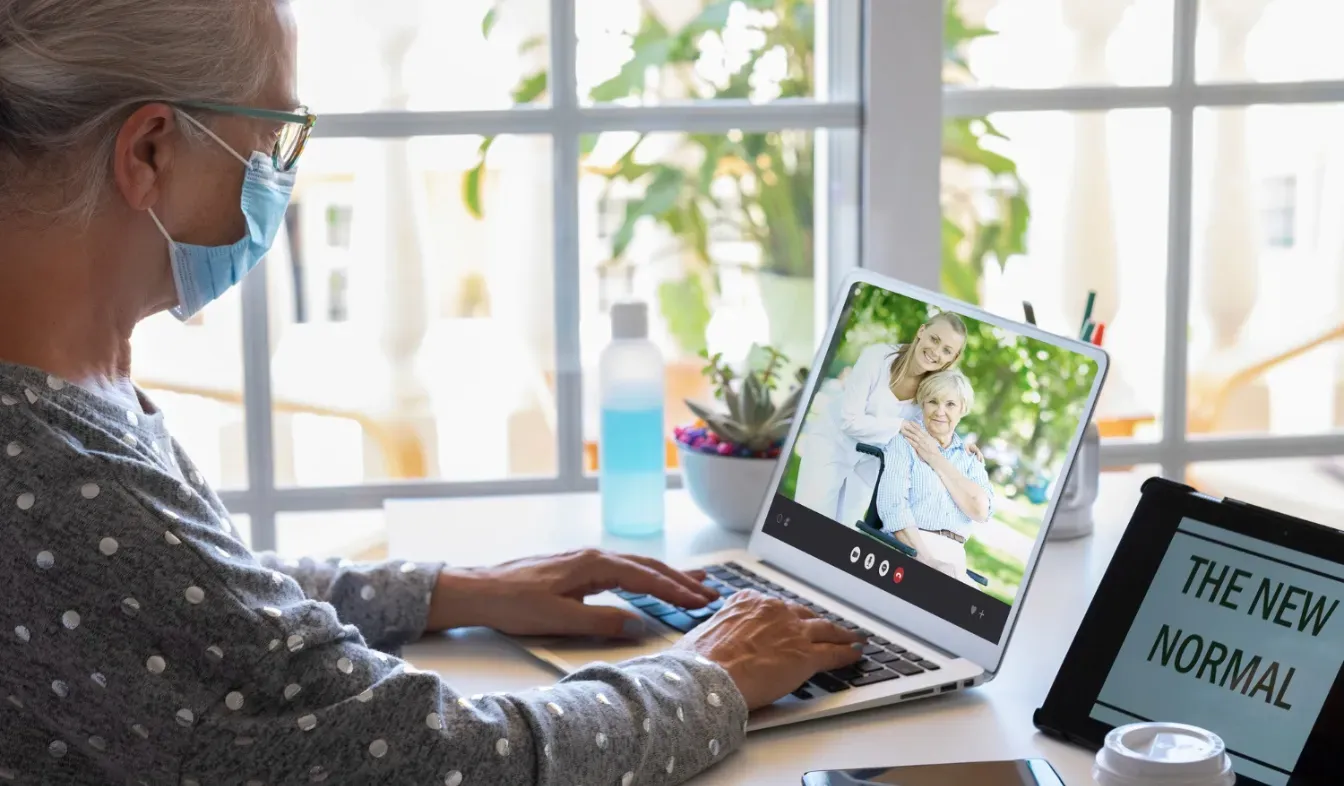
How Telehealth Brings Mental Health Services to Remote Areas
The road runs long, the signal flickers, and appointments slip. With telehealth, mental health services at 24/7 DCT reach your kitchen table, the pickup cab, even the porch at dusk. No waiting room, no long drive just a steady voice, a screen glow, and space to breathe. The delivery changes; the care doesn’t.
Why Mental Health Services Need Telehealth Outside the City
Distance blocks care. Time does, too. Telehealth turns both into solvable problems. A clinician maps the day you actually live early chores, school runs, late shifts and threads mental health services through it. Quick consults replace missed visits. Plans stay practical: short skills, plain language, honest check-ins. When the weather turns or buses fail, care still shows up. Access first; polish can wait. That’s how mental health services stick in real life
First Steps With Online Therapy in Remote Areas
Starting shouldn’t feel like a test. In online therapy in remote areas, you name where strain lands: jumpy mornings, long quiet evenings, restless nights that don’t end. Your licensed online therapist sets two anchors you can keep a short wind-down, a kinder script for hard texts. You’ll test one step live: stand, stretch, sip water slowly. Then set two micro-goals for tonight and tomorrow. Fewer rules, more doing. Mental health services begin small, then build.
Calming Spirals Through Teletherapy for Anxiety
Anxiety hides in scrolling, snaps in traffic, steals sleep. With teletherapy for anxiety, tools travel with you: paced breathing, thought reframes, and task chunking when focus shatters. Using evidence-based CBT, you replace “I can’t” with “I’ll try one piece.” When energy dips, shrink the step, not the goal. Ten tidy minutes beat none. These are mental health services we offer at 24/7 DCT are designed for real weeks, not ideal ones, and they hold under pressure.
Privacy and Trust With Confidential Online Counseling
In small towns, privacy feels fragile. Neighbors notice cars outside clinics. Confidential online counseling brings discretion home headphones on, door closed, camera angled away. Consent stays clear; boundaries are spoken, not implied. If heavier topics surface, trauma-informed care guides the pace: choice, collaboration, and steady check-ins. Trust grows because you’re not rushed. You decide what to share and when. That’s how mental health services feel safe.
Keeping Momentum With Telehealth for Rural Communities
Rural life swings weather, livestock, long shifts, family pull. Telehealth for rural communities flexes with it. Video therapy sessions when the signal holds. Phone or chat when it doesn’t. Between appointments, quick notes one win, one snag keep the thread alive. Blend behavioral activation (tiny actions that lift mood) with routines you can keep. Over weeks, touches stack. Mental health services stay present, even when plans wobble.
Resources & Next Steps
- Learn about rural access and tech-enabled care from the National Institute of Mental Health.
- Read practical guidance on telehealth approaches at the American Psychological Association.
Ready to Begin?
Geography shouldn’t decide who gets help. If you’re weighing options, contact us and ask what the first step could look like. Ready now? Book a session at 24/7 DCT. We’ll fit mental health services to your day early, late, or somewhere between.
FAQs
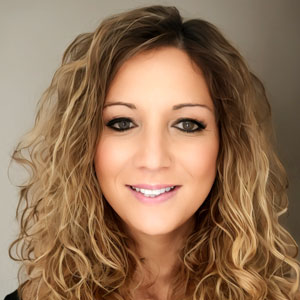
License: PhD, LCSW, LCAC
Years of Experience: 23 years+
Dr. Amanda Slaten is a sound leader with 23 years of experience in Behavioral Health. She has a bachelor’s degree in Psychology, a master’s degree in Social Work, and maintains two master’s level clinical license(s) of Licensed Clinical Social Worker (LCSW) and Licensed Clinical Addictions Counselor (LCAC). In addition, Dr. Slaten obtained a PhD in Business Psychology to affirm her commitment to leadership within the Behavioral Healthcare industry. She is a compassionate leader that has dedicated her professional career towards advancing service delivery for treatment of mental health and addiction.