

Therapy for Low Self-Esteem During Mental Health Crisis
The mirror feels sharper in crisis. Small errors look huge. Voice tight, shoulders tense, you second-guess everything. Therapy for low self-esteem offers a steadier room to land. No speeches. Only a relaxing introduction, bare equipment, and time to relax until the noise subsides. We at 24/7 DCT are all about your comfort.
Why Therapy for Low Self-Esteem Matters When Everything Feels Fragile
Crises magnify doubt. One missed deadline turns into a verdict. Therapy for low self-esteem interrupts that loop with humane, practical steps. A licensed online therapist listens for patterns harsh self-talk, perfection chasing, avoidance and sizes the work to your energy. With trauma-informed care, pace stays gentle. You set limits. The goal today is relief, and one skill you can keep.
First Moves With Counseling for Self-Worth Issues
Starting shouldn’t feel like a trial. In counseling for self-worth issues, you identify pressure points: meetings, social plans, late-night spirals. You’ll test micro-anchors in session. One breath pattern. One kinder sentence. One boundary you can actually say. With confidential online counseling at 24/7 DCT, candor is safer headphones on, door closed, camera angled away. Progress shows quietly: a sentence spoken without rehearsing it ten times; a morning that doesn’t sting as much.
Rehearsing Strength Through Online Therapy for Confidence
Confidence grows by practice, not pep talks. Online therapy for confidence uses video therapy sessions to rehearse real situations introductions, feedback moments, and difficult texts. Scripts are tried, then trimmed until they sound like you. With evidence-based CBT, “I always fail” becomes “Last time hurt; I’ve handled hard things before.” Pair that with behavioral activation: one five-minute walk, one finished task, one supportive message sent. Proof stacks; the critic shrinks.
Keeping Momentum With Virtual Support for Self-Esteem
Some days you’ll feel taller; others, not at all. Virtual support for self-esteem keeps rhythm when motivation wobbles. Short check-ins, tiny homework, and reminders that protect sleep and food routines. If energy dips, format flexes audio instead of video, or brief messages between sessions. The story shifts slowly from “I’m broken” to “I’m learning.” Self-esteem therapy online doesn’t erase struggle; it teaches a steadier footing.
Boundaries, Safety, And Privacy During Therapy for Low Self-Esteem
Safety isn’t only policy; it’s how the room feels. Therapy for low self-esteem begins with clear consent and simple ground rules. You choose what to share. The clinician tracks capacity and adjusts. When heavier topics surface, trauma-informed care guides pacing and choice. You’ll leave each meeting with one doable step, not a complicated plan you’ll abandon by night.
Reconnecting With Daily Life Without Overload
Recovery needs proof, not perfection. You’ll design tiny wins that register in the body: slower breath at the laptop, softer shoulders, eyes off the glare for a minute. A checklist lives nearby, not hidden. You’ll pair behavioral activation with kinder self-talk. If you stumble, the plan scales down rather than collapses. That’s how therapy for low self-esteem becomes a lived change.
Resources & Next Steps
- Learn about self-esteem and recovery approaches: National Institute of Mental Health (NIMH).
- Explore therapy methods for self-worth and resilience: American Psychological Association (APA).
Ready to Begin?
You don’t need a perfect day to start. If you’re weighing options, contact us for a brief consult. Ready now? Book a session at 24/7 DCT. In the therapy for low self-esteem, we will develop calmness first, and then confidence at a pace your week is able to maintain.
FAQs
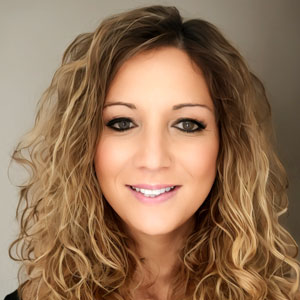
License: PhD, LCSW, LCAC
Years of Experience: 23 years+
Dr. Amanda Slaten is a sound leader with 23 years of experience in Behavioral Health. She has a bachelor’s degree in Psychology, a master’s degree in Social Work, and maintains two master’s level clinical license(s) of Licensed Clinical Social Worker (LCSW) and Licensed Clinical Addictions Counselor (LCAC). In addition, Dr. Slaten obtained a PhD in Business Psychology to affirm her commitment to leadership within the Behavioral Healthcare industry. She is a compassionate leader that has dedicated her professional career towards advancing service delivery for treatment of mental health and addiction.