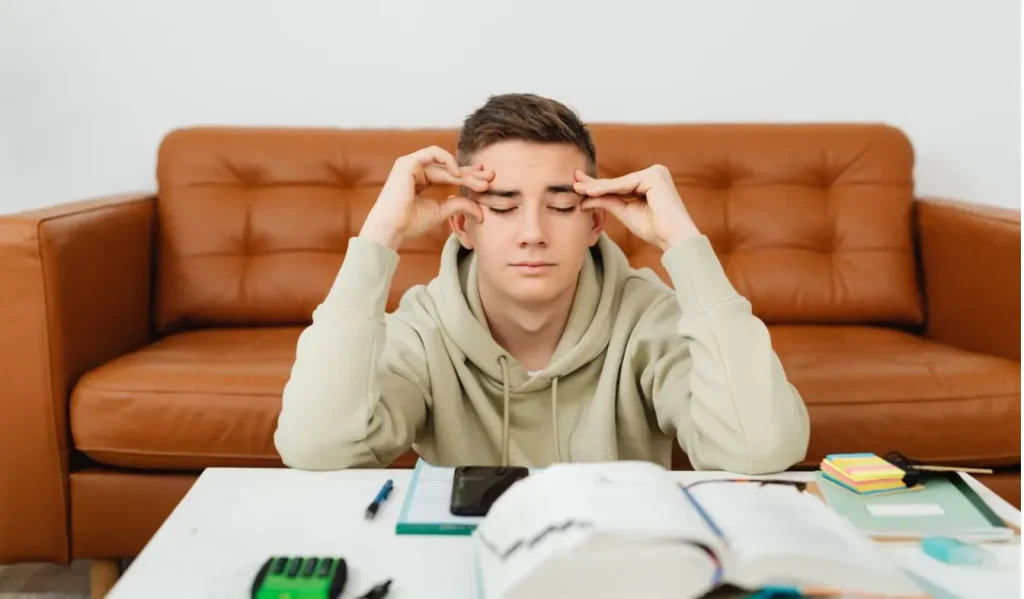

Therapy for People Who Are Withdrawing from the World
Sometimes the silence feels easier than small talk. You skip a call. Cancel plans. Pretend you’re fine. But the quiet starts stretching; days, weeks, until it feels like the world’s moving without you.
That’s when therapy for social withdrawal can help. It’s not about dragging you back into noise. It’s about understanding the part of you that feels safer in the quiet. At 24/7 DCT, therapy often begins right there; from home, behind a screen, one gentle check-in at a time.
What Is Social Withdrawal and How Does It Affect Daily Life?
Social withdrawal isn’t always obvious. You don’t wake up one day and decide to vanish. It’s gradual; a missed text here, a skipped gathering there; until connection feels like effort.
In therapy for social withdrawal, people often describe feeling “out of sync” with everyone else. Work slows down. Energy fades. Things that used to bring comfort now feel distant. The longer it lasts, the harder it gets to explain.
Therapy helps name that pattern, not as failure, but as fatigue. The mind and heart just need time to reconnect.
Why Do People Withdraw from Social Interactions?
There’s rarely one reason.
Sometimes it’s anxiety; the fear of being judged. Sometimes depression, when everything feels dull and heavy. Sometimes both.
In therapy for social withdrawal, clients often realize it began after loss, burnout, or too much pretending. You start to think, What’s the point? But withdrawal isn’t giving up; it’s a signal. Your system’s saying, I can’t keep up right now. Therapy helps you listen to that signal, gently, without shame.
How Can Social Withdrawal Affect Your Health?
The body feels isolated, even when the mind says it’s fine. Loneliness increases stress hormones, interferes with sleeping, and affects immunity. In the long run, it may intensify depression and anxiety.
Therapy for social withdrawal will get you to rebuild the fundamentals, structure, light, movement, and conversation. Slowly, the fog lifts. Even small steps, taking a walk, joining one call, reaching out, start resetting how your brain reads safety.
NIMH – Loneliness and Social Isolation is a useful resource to help you learn more.
What Are the Common Signs of Withdrawal?
You stop replying. You scroll instead of talking. You start choosing exhaustion over effort.
In therapy for social withdrawal, clients often describe watching life happen “through glass.” They see it all; they just can’t reach it. Therapists help you notice those early signals before they solidify into isolation.
How Does Withdrawal Show Up in Children or Teens?
For younger people, it hides under excuses: “I’m tired,” “I’m fine,” “I just don’t like people.” Sometimes it’s bullying, sometimes pressure, sometimes fear.
There is Online therapy for isolation, where children and teens can share their thoughts without the fear of being vulnerable. The therapist hears what is not being said, the protracted silences, the sighs, the silence.
When Is It Time to Get Help?
Alone time is healthy, until it stops feeling peaceful. If the quiet turns to emptiness, if you stop reaching out, sleeping, or caring, that’s the sign.
Therapy for social withdrawal doesn’t mean you’re broken. It means you’re ready to feel again.
And if you ever start thinking the world wouldn’t notice if you were gone, stop. That’s the moment to reach out. Call SAMHSA’s Helpline or 988 right now.
You’re not invisible. You just need someone to remind you.
How Can Therapy Help People Who Are Withdrawing from the World?
In therapy for social withdrawal, the initial step is small: the ability to inhale without social panic, to talk without reciting the words by heart. Cognitive Behavioral Therapy (CBT) or supportive counseling is used by therapists to reconstruct solace in human relationships.
At 24/7 DCT, sessions move at your pace. Sometimes it’s quiet for minutes before the words come, and that’s okay. Online therapy works because you can show up exactly as you are.
What Practical Steps Can Reduce Withdrawal?
Try the tiniest things first.
Step into the sunlight. Send one message. Sit by a window. Breathe.
Pair these moments with therapy for social withdrawal so you don’t lose momentum. Together, they help you rebuild your world; not suddenly, but steadily. You don’t have to leap back into life; you just have to turn toward it.
How to Begin Therapy with 24/7 DCT
Starting is often the hardest part. But it’s also the moment healing begins.
You can contact us or book a session whenever you’re ready; no pressure, no big promises.
Your therapist will listen, really listen. Some days you’ll talk. Other days, you’ll just sit quietly until words come. That’s still progress.
At 24/7 DCT, therapy for social withdrawal isn’t about forcing you to rejoin the world. It’s about helping you remember that the world is still waiting, patient, and ready when you are.
FAQs
Sometimes healing starts quietly; not with words, but with being seen again.
In case you have been drifting out of the world, therapy for social withdrawal will make you go back bit by bit, soft and without fear.
We will take that walk with you at 24/7 DCT; the walk is made of one little talk at a time.

License: PhD, LCSW, LCAC
Years of Experience: 23 years+
Dr. Amanda Slaten is a sound leader with 23 years of experience in Behavioral Health. She has a bachelor’s degree in Psychology, a master’s degree in Social Work, and maintains two master’s level clinical license(s) of Licensed Clinical Social Worker (LCSW) and Licensed Clinical Addictions Counselor (LCAC). In addition, Dr. Slaten obtained a PhD in Business Psychology to affirm her commitment to leadership within the Behavioral Healthcare industry. She is a compassionate leader that has dedicated her professional career towards advancing service delivery for treatment of mental health and addiction.