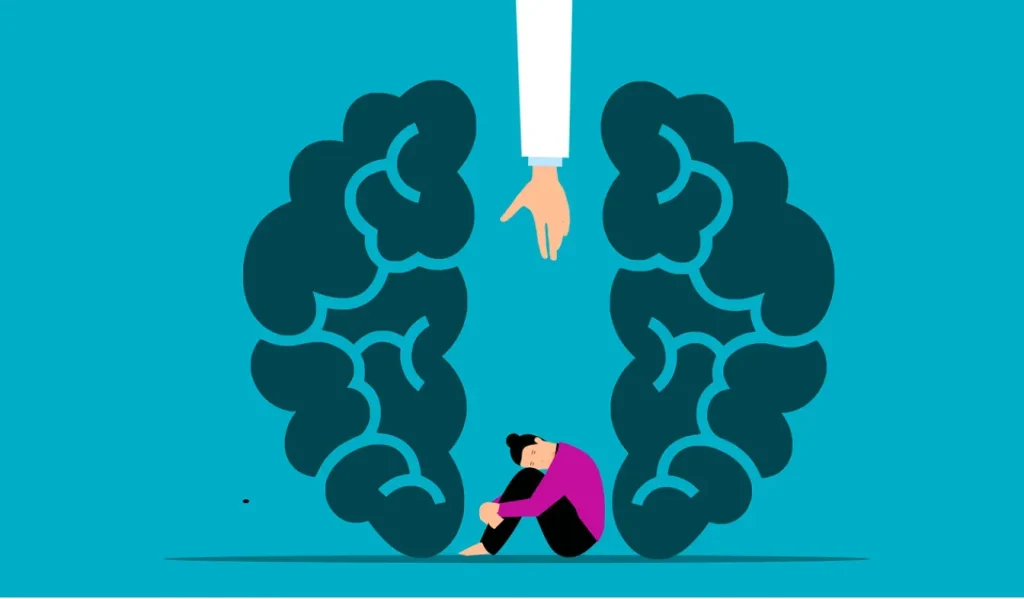

When Mood Swings Signal a Crisis: How Therapy Can Help
You know those days when your emotions shift without warning? One minute you’re steady, the next—completely undone. It’s confusing, maybe even a little frightening. People say it’s just stress. But what if it’s more than that? That’s when therapy for mood swings during emotional crisis becomes something worth thinking about.
At 24/7 DCT, therapy isn’t a polished checklist. It’s real people, real sessions, sitting with what hurts. Some days you talk; other days you just breathe. And both count.
What Are Mood Swings and How Do They Differ from a Mood Disorder?
Everyone’s mood moves. You laugh, you cry, you calm down—it’s normal. But when emotions crash too hard or rise too high, and you can’t predict which version of yourself wakes up tomorrow, it starts feeling different. That’s when therapy helps draw the line between a bad day and something that needs care.
In online therapy for mood swings, a therapist helps you see that those emotional waves aren’t random. They’re messages. Sometimes they whisper burnout, sometimes depression. Understanding the difference means learning to notice the signal, not drown in it.
How Can You Tell When Mood Swings Mean Something Deeper?
There’s a moment—quiet but sharp—when you realize the lows last longer, the highs burn faster. You try to sleep it off, but it follows you. Work slips. You cancel plans. You fake okay until you can’t.
That’s usually the sign it’s time for emotional crisis counseling. A therapist helps you name what’s happening, piece by piece. You learn to listen before things spiral. Therapy doesn’t stop feelings; it teaches you how to hold them without breaking.
What Mood Disorders Are Often Linked to Emotional Crises?
Mood disorders wear many faces. Depression. Bipolar disorder. Cyclothymia. They’re not always obvious—sometimes they look like overworking, sometimes like silence. For others, it’s irritability or bursts of energy that turn to guilt overnight.
During virtual therapy for depression and anxiety, you begin mapping patterns. Where the sadness starts. When it peaks. What thoughts repeat? It’s like shining a small flashlight into corners you’ve been afraid to look at. Slowly, things start making sense.
Here is a helpful publication for you to learn more: NIMH – Bipolar Disorder Basics
Why Biology and Stress Both Play a Role
Sometimes, it isn’t about willpower at all. Brain chemistry, hormones, even genetics—everything joins the story. When serotonin dips, moods follow. When sleep breaks, balance goes with it. Add grief or constant stress, and it’s no wonder emotions start to swing like a pendulum.
But here’s where therapy for mood swings during emotional crisis becomes your anchor. It helps you understand the triggers and build small habits that stabilize your nervous system. You stop fighting yourself and start working with what’s already there.
How Daily Life and Surroundings Feed the Chaos
Crowded schedules. Loss that never really left. Loneliness that pretends to be busyness. Emotional crises rarely appear out of nowhere—they collect. Each unspoken thing adds weight until one small moment tips the scale.
In mood disorder treatment online, therapists at 24/7 DCT gently help you sort through that pile. Not to erase the past, but to make it less heavy. A few grounding breaths, a little structure, and suddenly the day feels less impossible.
What Types of Therapy Actually Work for Mood Swings?
Different minds need different maps. CBT helps you catch thought spirals. DBT teaches you to ride emotional waves without acting on them. Some find healing in psychodynamic therapy, exploring what old experiences still echo inside.
Most clients in therapy for mood swings during emotional crisis say the same thing: it’s not one breakthrough that changes them—it’s the quiet consistency. The weekly check-ins. The way their therapist remembers the smallest details. Healing hides in those small, steady things.
Keeping Steady Between Sessions
The real work often happens when the screen turns off. You sit alone, and the feelings creep back. That’s when you practice. You breathe slower. Stretch your hands. Step outside for a moment of air.
Therapists often remind you: balance isn’t control. It’s awareness. In therapy for mood swings during emotional crisis, you learn to pause before reacting, to spot the emotion before it grows teeth. Some days you’ll manage. Some days you won’t. Both are progress.
When the Crisis Feels Too Big
If the emotions turn dark—if thoughts of harm or despair surface—please stop reading and reach out. Call 988, the Suicide and Crisis Lifeline, or SAMHSA’s Helpline. You deserve help right now, not later.
Once you’re safe, therapy for mood swings during emotional crisis continues, and care is provided gently. The therapist helps you rebuild from the edges inward, one safe step at a time.
How Loved Ones Can Make a Difference
Not everyone knows what to say when someone they love is unraveling. Sometimes the best thing is quiet company. Sit nearby. Don’t fix, don’t analyze—just be.
Through online therapy for mood swings, families learn how to stay present without being pulled under. Support doesn’t have to be perfect; it just has to be steady.
Why Starting Early Changes Everything
Early therapy means fewer breakdowns, shorter lows, gentler recoveries. It gives you language for what used to feel like chaos. In therapy for mood swings during emotional crisis, you learn how to step in before emotions run the show.
That’s not a weakness. That’s wisdom.
Can Routine Really Prevent Another Crisis?
Sometimes yes. Routine is underrated medicine. Regular meals, enough sleep, a little movement, quiet screens at night—all of it teaches the brain safety again. When life feels too big, small habits become anchors.
Pair that with therapy for mood swings during emotional crisis, and you start to feel the ground return beneath your feet. Slowly. Honestly.
Why Choose 24/7 DCT
Because healing needs people who don’t rush you.
At 24/7 DCT, licensed therapists meet you where you are—on the edge of tears, or laughter, or silence. They listen. They guide. They hold space until you can hold yourself again.
If you’re ready—or even just thinking about it—contact us or book a session. You don’t need perfect words. You only need a moment of courage.
FAQs

License: PhD, LCSW, LCAC
Years of Experience: 23 years+
Dr. Amanda Slaten is a sound leader with 23 years of experience in Behavioral Health. She has a bachelor’s degree in Psychology, a master’s degree in Social Work, and maintains two master’s level clinical license(s) of Licensed Clinical Social Worker (LCSW) and Licensed Clinical Addictions Counselor (LCAC). In addition, Dr. Slaten obtained a PhD in Business Psychology to affirm her commitment to leadership within the Behavioral Healthcare industry. She is a compassionate leader that has dedicated her professional career towards advancing service delivery for treatment of mental health and addiction.