
How Virtual Couples Therapy Can Help Rebuild Communication
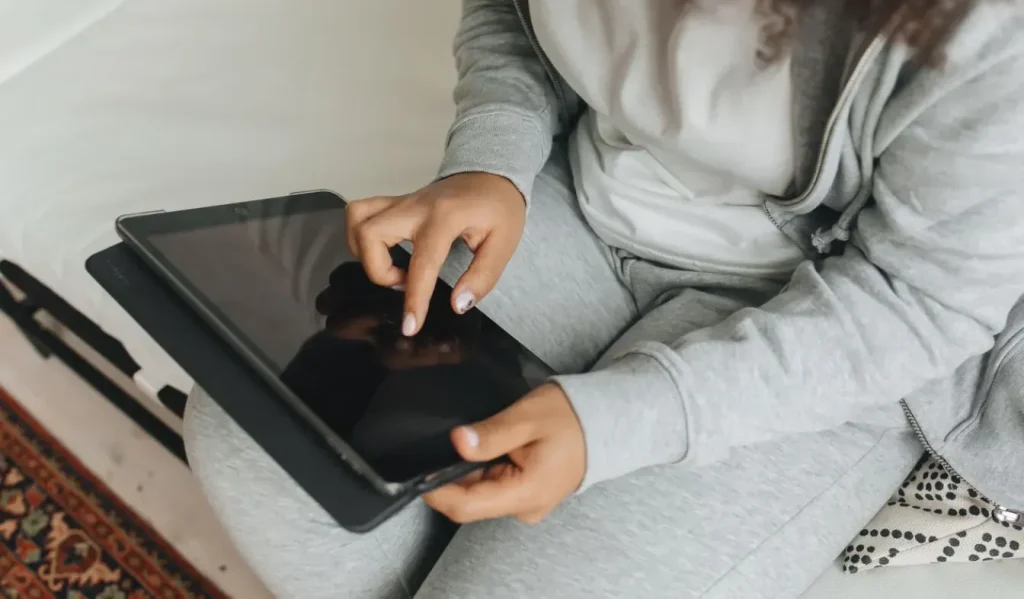
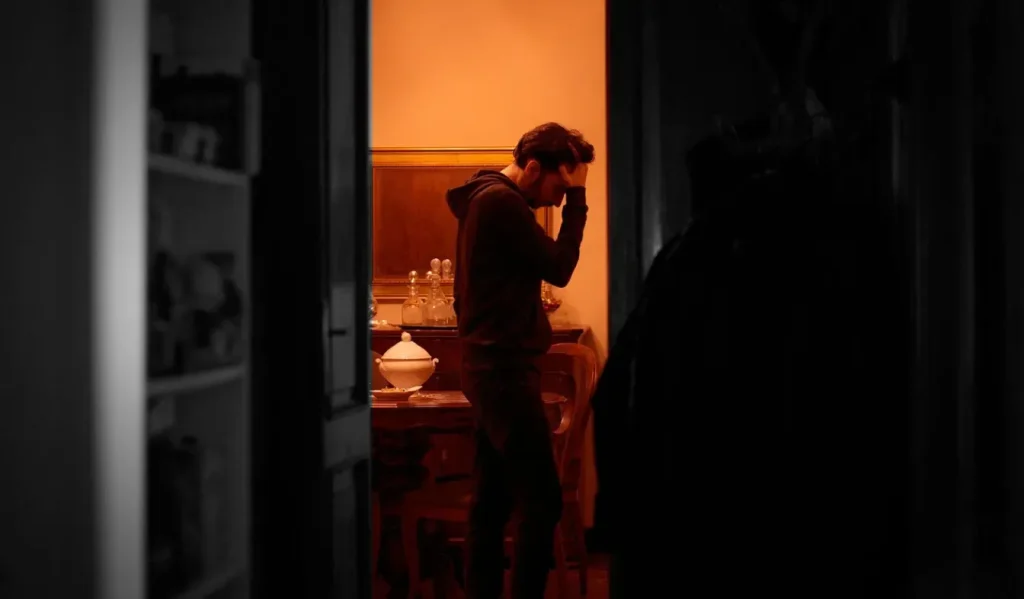
Silent dinners, tense texts, and short replies point to one core issue: lost connection. Virtual couples therapy brings a licensed relationship expert onto your screen, not into your already-packed calendar. Through 24/7 DCT’s encrypted portal, partners in Ohio, Alabama, and Illinois talk face-to-face with a therapist who guides real, solution-driven dialogue from the first click. Studies show online sessions match in-person outcomes for improving communication and overall satisfaction.
Why Virtual Couples Therapy Fits Modern Relationships
Shift work, school pick-ups, and different bedtimes limit office visits. Logging in from a couch removes travel, cuts no-show rates, and keeps momentum steady. Services like Talkspace and ReGain report high engagement when couples choose flexible video or text sessions.
Common Communication Roadblocks
- Harsh start-ups—conversations that begin with blame
- Competing monologues—talking at, not with, each other
- Tech misfires—cryptic emojis and misread tones
These patterns fuel resentment. Naming them early helps the therapist design targeted drills that replace criticism with curiosity.
Techniques Therapists Practice Live
You and your partner try “speaker-listener” turns: one talks for two minutes; the other mirrors key points. The therapist times, prompts clarification, and stops interruptions. Quick grounding breaths break tension. Each exercise teaches “I” statements, active listening, and calm body cues you can reuse during family dinners or budget talks. Research links such structured dialogue to lasting empathy gains.
Homework Between Calls: Micro-Exercises That Stick
Progress grows between sessions. Your therapist might assign:
- A nightly gratitude swap—share one appreciated action.
- A 20-minute “device-free date” mid-week.
- A conflict log noting triggers, feelings, and recovery time.
These small tasks turn new skills into reflexes, so real disagreements shift from heat to understanding faster each week.
Tools That Keep Sessions Safe and Private
24/7 DCT locks every frame with bank-grade encryption. Two-factor logins guard accounts, and partners can blur backgrounds for privacy. Each therapist holds state licenses and provides concise definitions—CBT, EFT, or mindfulness—so jargon never blocks clarity. HIPAA compliance remains airtight from hello to sign-off.
Serving Couples Across Ohio, Alabama, and Illinois
Therapists understand local stressors—factory shifts in Dayton, long commutes near Birmingham, and Chicago-land cost pressures. Evening and weekend slots bridge time-zone gaps. If one partner travels, they can still join from a phone, keeping teamwork intact.
Cost-Smart Paths to Care
Many private plans and some Medicaid options reimburse telehealth. Sliding-scale fees can soften gaps. Ask coverage questions during intake, and the billing team will outline receipts and reimbursement steps in plain language.
Valuable Resources
- Relationship skills handouts – The Gottman Institute
- Telehealth rights summary – American Psychological Association
- Medicaid teletherapy guide – Alabama Medicaid Agency
Ready to Talk, Not Fight?
Healthy dialogue starts with one click. Contact us today or book a session through 24/7 DCT’s secure form. A licensed therapist will customize virtual couples therapy to your rhythm—and help your words reach each other again.
FAQs

License: PhD, LCSW, LCAC
Years of Experience: 23 years+
Dr. Amanda Slaten is a sound leader with 23 years of experience in Behavioral Health. She has a bachelor’s degree in Psychology, a master’s degree in Social Work, and maintains two master’s level clinical license(s) of Licensed Clinical Social Worker (LCSW) and Licensed Clinical Addictions Counselor (LCAC). In addition, Dr. Slaten obtained a PhD in Business Psychology to affirm her commitment to leadership within the Behavioral Healthcare industry. She is a compassionate leader that has dedicated her professional career towards advancing service delivery for treatment of mental health and addiction.