Top 5 Myths About Online Therapy Myths—Debunked
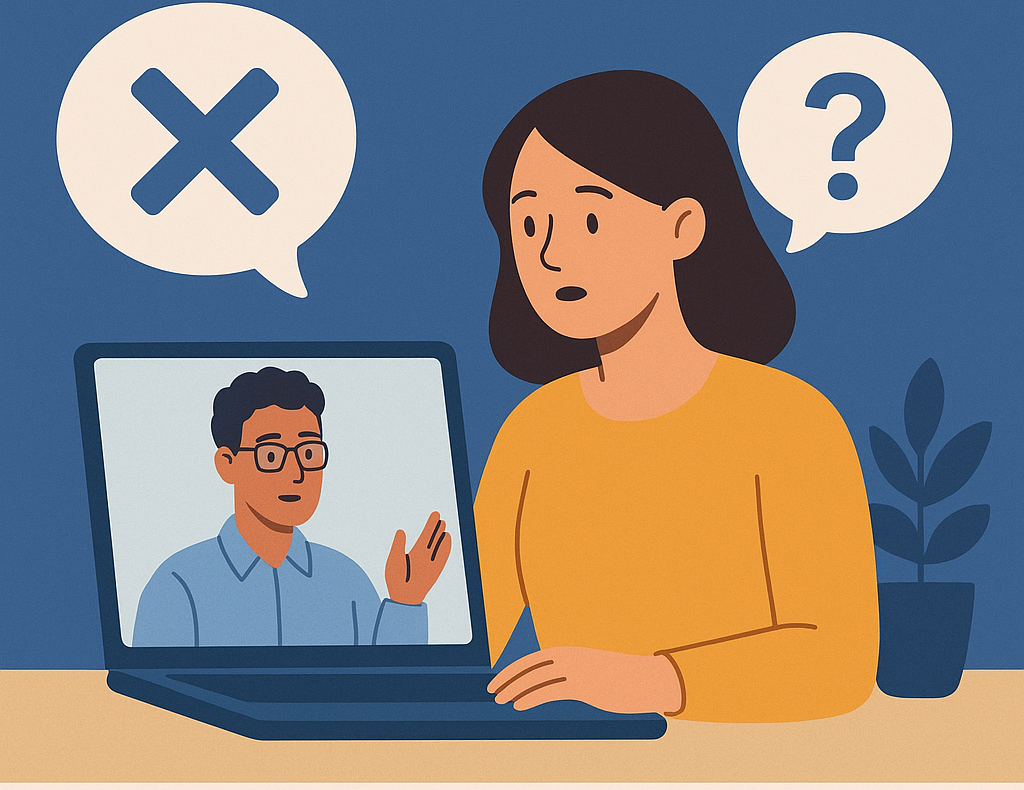
Scrolling headlines warn that screens ruin attention spans. No wonder rumors swirl around virtual care. Yet online therapy myths can block people from help that fits their tight schedules in Ohio, Alabama, and Illinois. Today, we clear the fog: five common claims, the facts that crush them, and the freedom you gain when doubt steps aside.
Myth 1: Virtual Care Can’t Match In-Person Results
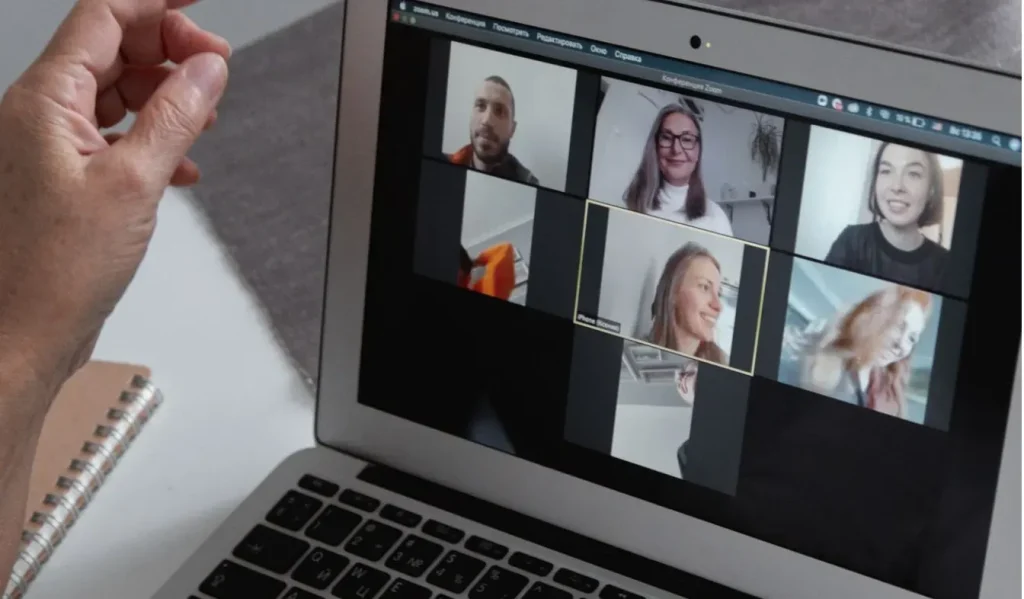
Decades of studies disagree. A 2024 meta-analysis found that telehealth equals office sessions for anxiety, depression, and PTSD. Therapists share worksheets by screen-share, track progress in real time, and adjust drills on the spot. Engaged clients log equal—or better—gains because they never skip due to traffic or weather.
Myth 2: Insurance Never Pays for Screen Sessions
Many PPO plans and several state Medicaid programs now reimburse telehealth at the same rate as office visits. 24/7 DCT issues itemized receipts you upload in minutes. Lower costs follow, too: no parking fees, no daycare bills, no gas guzzled in rush hour.
Myth 3: Privacy Vanishes Once You Click “Join”
Secure tech proves otherwise. The platform locks every frame with bank-grade encryption and demands two-factor logins. Therapists obey strict HIPAA rules and store notes on encrypted servers. You even control video and mic, muting instantly if a roommate appears.
Myth 4: You Need Fancy Gear and Lightning-Fast Wi-Fi
A basic smartphone and a 5 Mbps connection handle HD video. If speed dips, sessions shift to audio automatically. Files arrive as lightweight PDFs that open offline, so homework never stalls in rural zones. Simple design keeps tech stress near zero.
Myth 5: Online Sessions Suit Only “Mild” Problems
Social Media’s Therapy Myths: How to Filter the Noise
Instagram reels show “one-session cures,” while comment threads claim therapists just read scripts. These short reels spread online therapy myths faster than research can catch up. Algorithms favor shock value, so balanced data rarely trends. The result? Hesitation and wasted months staying stuck.
Treat every viral claim like a headline without a source. Check the poster’s credentials first. Are they licensed, or simply “mindset coaches”? Next, look for peer-reviewed links—PubMed, university sites, or respected medical journals. Real studies list sample sizes and methods, not just bold conclusions.
Compare at least two credible sources before deciding. A quick Google Scholar search often reveals whether a statement stands on solid ground. Finally, trust your own experience. Book one session, test the platform, and judge the fit. Personal evidence beats online noise every time.
Why Busting Online Therapy Myths Matters
False tales steal time, money, and peace. When you drop each myth, you open doors to tools that lower blood pressure, smooth relationships, and sharpen focus—all without leaving home. Facts empower choice; choice fuels change.
Helpful Resources
- Telehealth rights – American Psychological Association
- Medicaid teletherapy guide – Alabama Medicaid Agency
- Effectiveness research summary – National Library of Medicine
Ready to Swap Rumor for Relief?
Facts stand tall. Contact us now or book a session through 24/7 DCT’s secure form. A licensed therapist will turn outdated online therapy myths into fresh, proven wins for your mental health.
FAQs

License: PhD, LCSW, LCAC
Years of Experience: 23 years+
Dr. Amanda Slaten is a sound leader with 23 years of experience in Behavioral Health. She has a bachelor’s degree in Psychology, a master’s degree in Social Work, and maintains two master’s level clinical license(s) of Licensed Clinical Social Worker (LCSW) and Licensed Clinical Addictions Counselor (LCAC). In addition, Dr. Slaten obtained a PhD in Business Psychology to affirm her commitment to leadership within the Behavioral Healthcare industry. She is a compassionate leader that has dedicated her professional career towards advancing service delivery for treatment of mental health and addiction.