
How Therapy for Teens Can Prevent Long-Term Emotional Struggles
Mood swings, friend drama, college pressure—teen brains juggle more than ever. Ignoring confusion now can hard-wire anxiety or anger into adult life. Therapy for teens steps in early, teaching coping skills before habits cement. 24/7 DCT connects adolescents across Ohio, Alabama, and Illinois with licensed counselors through an encrypted portal, sparing parents traffic and teens waiting-room nerves.
Early Help Builds Lifelong Coping Muscles
Neurons prune and rewire fastest between twelve and nineteen. Positive habits formed during that window last for decades. Teens who practice grounding breaths, thought reframes, and assertive language today handle future breakups and job stress with less turmoil. Research in JAMA Pediatrics reports a 40 percent drop in adult depression among teens who finished eight CBT sessions.
Warning Signs Parents Should Not Ignore
- Grades dive despite steady effort
- Sleep flips—up at three, exhausted at noon
- Isolation replaces hobbies and friends
- Sudden rage at siblings or coaches
- Talks about hopelessness, even as jokes
Spot two or more signals persisting for two weeks? Consider professional guidance rather than hoping for a growth spurt fix.
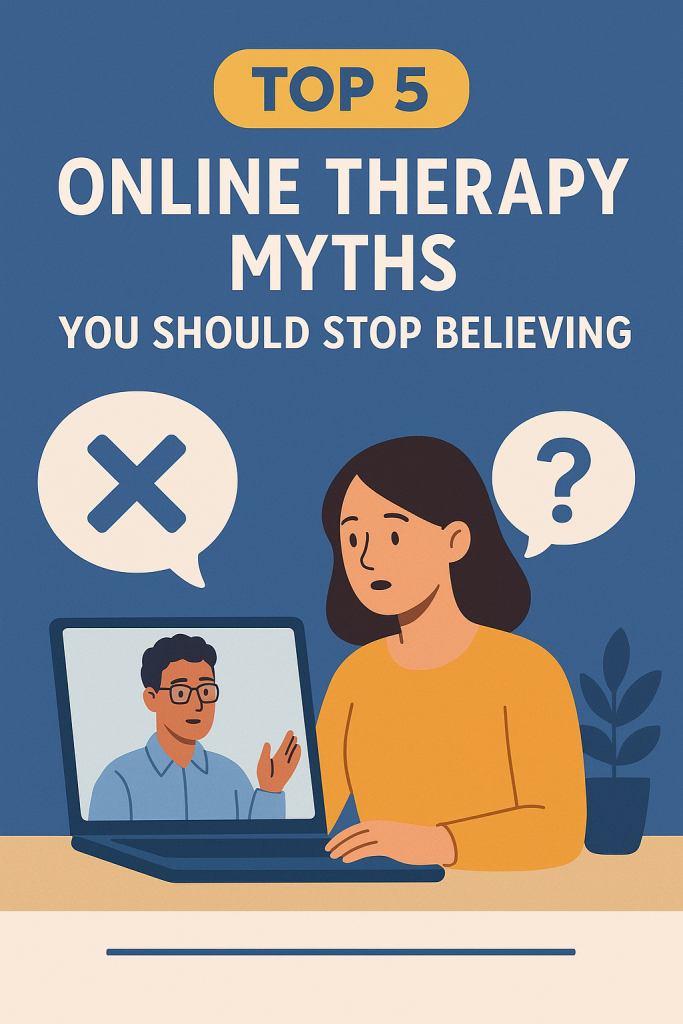
How Therapy for Teens Works Online
Sessions last fifty minutes and open with casual check-ins about school, music, or gaming. Counselors then guide short drills—box breathing, five-sense scans, or mood rating. Screen-share lets teens journal live or sketch thought loops. Pets, posters, and hoodies stay in view, helping shy teens relax faster than they ever would in a clinic.
Skills That Turn Into Adult Strengths
- Emotional naming. Teens learn to label anger, shame, or envy in real time.
- Cognitive restructuring. They swap “I always fail” for “I struggled today.”
- Boundary setting. Role-plays teach polite “no” without guilt.
- Stress planning. Counselors create finals-week calendars that balance study and sleep.
Each skill serves college dorms, first apartments, and future parenting alike.
A Routine That Reinforces Progress
Morning movement—five stretches or a brisk walk—clears sleep fog. Balanced snacks help level blood sugar, keeping mood stable through class changes. Device-free wind-downs after nine p.m. guard REM sleep. Parents praise specific actions—“You closed TikTok at nine!”—because positive reinforcement cements growth faster than criticism ever will.
Helpful Resources
- Teen depression basics – Mayo Clinic
- Anxiety worksheets – Anxiety & Depression Association of America
- Medicaid telehealth coverage – Alabama Medicaid Agency
Ready to Support Real Growth?
Stop guessing whether moods will vanish. Contact us or book a session through 24/7 DCT’s secure portal. Licensed experts tailor therapy for teens to homework loads and sports schedules, turning worry into lifelong resilience.
FAQs

License: PhD, LCSW, LCAC
Years of Experience: 23 years+
Dr. Amanda Slaten is a sound leader with 23 years of experience in Behavioral Health. She has a bachelor’s degree in Psychology, a master’s degree in Social Work, and maintains two master’s level clinical license(s) of Licensed Clinical Social Worker (LCSW) and Licensed Clinical Addictions Counselor (LCAC). In addition, Dr. Slaten obtained a PhD in Business Psychology to affirm her commitment to leadership within the Behavioral Healthcare industry. She is a compassionate leader that has dedicated her professional career towards advancing service delivery for treatment of mental health and addiction.