Can Group Therapy Help with Isolation and Depression?
Scrolling alone at midnight feels safe until sadness sticks. You crave real voices but fear judgment. Group therapy for depression places you with peers who nod at the same worries. Inside 24/7 DCT’s encrypted rooms—serving Ohio, Alabama, and Illinois—you swap isolation for honest connection, then carry new courage into daily life. This guide explains how shared sessions lift mood, shrink shame, and stretch coping muscles long after the video call ends.
How Group Therapy for Depression Fights Isolation Head-On
Loneliness grows when you believe “no one gets it.” Hearing five others describe the same thought breaks that illusion in minutes. Social neuroscience shows the brain releases oxytocin during safe sharing, which calms the stress response faster than self-talk. Regular meetings will calm that habit.
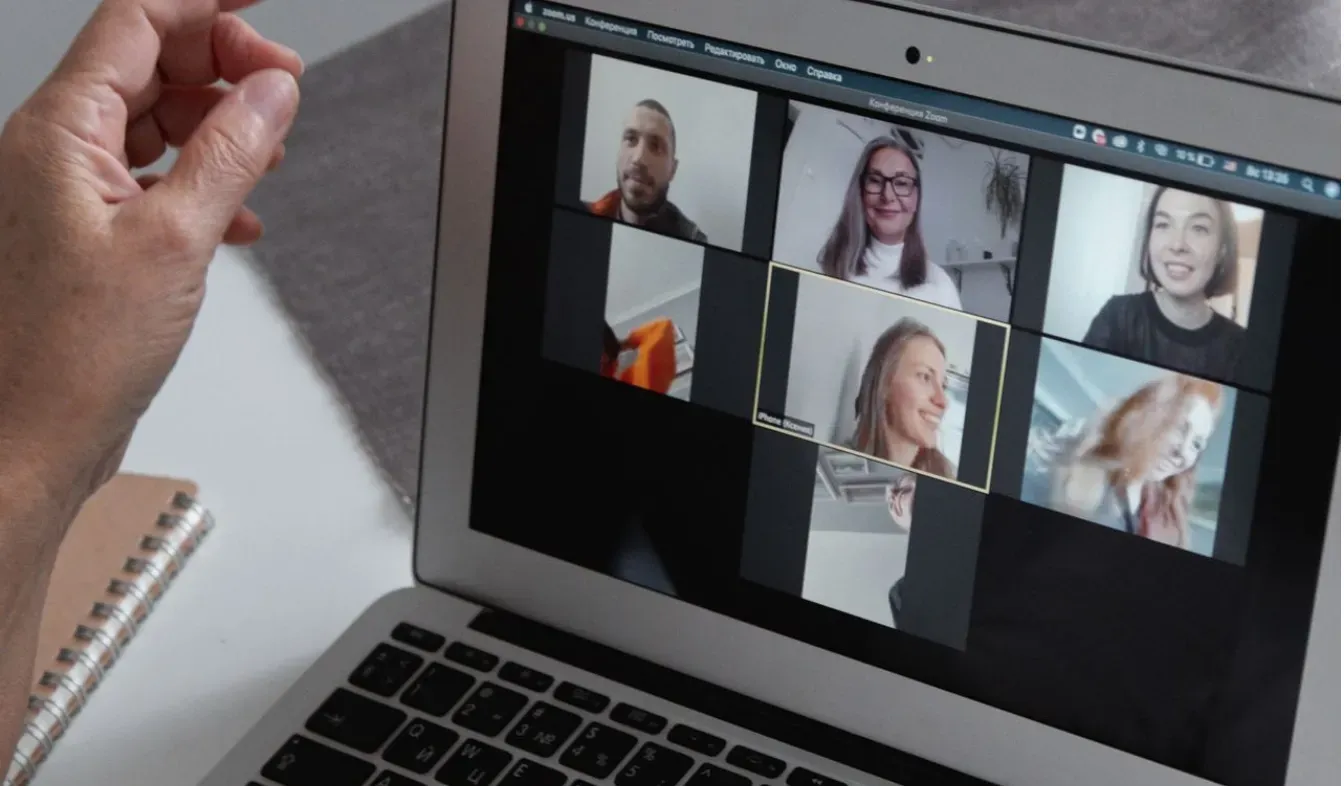
What Happens in a Typical Online Session
- Check-in circle. Each member rates their mood on a zero-to-ten scale.
- Skill spotlight. The therapist teaches a CBT tool—thought reframes, breathing drills, or gratitude lists.
- Guided share. One volunteer tells of a recent struggle; the group practices active listening rather than advice blasts.
- Goal set. Everyone names one small action before the next meeting.
The structure keeps chatter focused and ensures every voice finds space.
Proven Benefits Beyond Solo Therapy
add table
Studies in Psychiatric Services reveal that blending both formats cuts relapse risk by 35 percent compared with either alone.
Signs You Might Thrive in a Group
- You feel stuck greeting coworkers or classmates.
- Rumination spikes when weekends arrive.
- You cancel plans last minute yet regret it.
- Money blocks weekly one-on-one sessions.
Two or more checks suggest testing a group could speed relief.
Common Fears—and Quick Reality Checks
- “Strangers will judge me” Members follow strict confidentiality rules; shared struggle breeds compassion, not scorn.
- “I might freeze on camera” Therapists invite chat messages until words feel safe to say aloud.
- “My Wi-Fi drops” The platform shifts to phone audio instantly, so progress never stalls.
Create a Healthy Routine Around Sessions
Begin session days with five minutes; movement to loosen tension before sharing. Enjoy balanced snacks—fruit and nuts—so blood sugar stays steady. Mute phone alerts during calls to grant full attention. Afterward, jot down one insight and one action step. Celebrate each completed step; praise cements growth faster than self-criticism.
Costs, Coverage, and Practical Details
Group slots at 24/7 DCT cost roughly half a private hour. Many PPO plans and several Medicaid programs reimburse telehealth groups. Sliding-scale fees fill gaps. Evening and weekend times fit shift workers and students, keeping attendance strong.
Helpful Resources
- Depression education – National Alliance on Mental Illness
- Online group guidelines – American Psychological Association
- Medicaid telehealth info – Alabama Medicaid Agency
Ready to Swap Silence for Support?
Step into a circle that understands. Contact us or book a session through 24/7 DCT’s secure portal. Our licensed therapists will match you with a group therapy for depression cohort that turns isolation into steady connection—one honest story at a time.
FAQs

License: PhD, LCSW, LCAC
Years of Experience: 23 years+
Dr. Amanda Slaten is a sound leader with 23 years of experience in Behavioral Health. She has a bachelor’s degree in Psychology, a master’s degree in Social Work, and maintains two master’s level clinical license(s) of Licensed Clinical Social Worker (LCSW) and Licensed Clinical Addictions Counselor (LCAC). In addition, Dr. Slaten obtained a PhD in Business Psychology to affirm her commitment to leadership within the Behavioral Healthcare industry. She is a compassionate leader that has dedicated her professional career towards advancing service delivery for treatment of mental health and addiction.