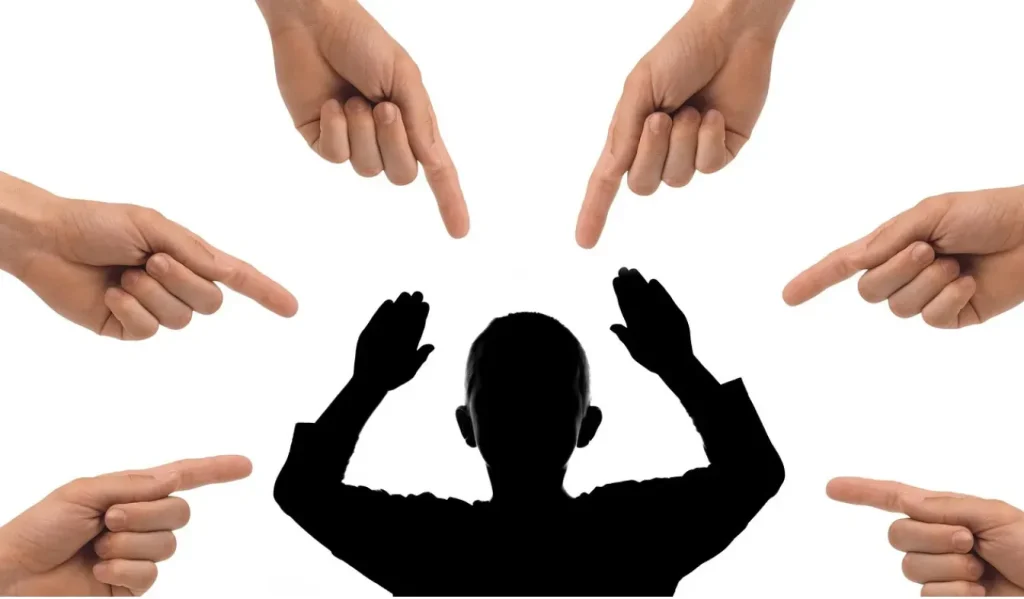

Am I Too Clingy? Signs of Emotional Dependence and How to Stop
The door clicks behind them, and your stomach flips. Five minutes later, you’re refreshing their feed, rehearsing break-up speeches no one requested. It feels like devotion, yet the constant watch burns your energy—and their trust. Spot the signs of emotional dependence, and you can start swapping frantic checks for steadier, two-way connections.
Understand the Signs of Emotional Dependence
Look for these red lights:
- You need constant text replies to feel secure.
- You cancel gatherings unless a partner joins.
- You replay small conflicts and beg for reassurance.
- You fear breakups after minor disagreements.
Tick two or more? You likely face emotional dependence, not simple affection.
Why We Attach Too Tight
Childhood neglect, sudden loss, or past betrayals can wire the brain for hyper-vigilance. Stress hormones spike when loved ones step away, even briefly. Recognizing the root explains the reaction and sparks compassion, not shame.
Quick Self-Checks to Curb Clingy Urges
- Three-minute delay: Feel the urge to text again? Wait three minutes. Breathe slow, then decide.
- Thought label: Name the worry—“They will leave”—then rate its truth from zero to ten.
- Grounding scan: List five things you see, four you feel, three you hear, two you smell, one you taste.
These drills break anxious loops before thumbs race across screens.
Build Space With Daily Anchors
- Morning motion: Walk ten minutes; movement burns stress fuel.
- Balanced lunch: Pair protein and fiber to stabilize blood sugar and mood.
- Solo hobby hour: Paint, garden, or read without interruptions.
- Tech sunset: Set phones on “Do Not Disturb” one hour before bed.
Consistent anchors teach the nervous system that safety lives inside, not only beside another person.
Rewrite Thoughts, Strengthen Boundaries
Catch “I cannot handle time alone.” Replace it with “I feel lonely, yet I can call a friend or journal.” Speak this reframe aloud twice daily. Next, practice a polite boundary: “I will answer messages after my workout.” Clear words protect energy and invite respect.
When to Seek Professional Backup
- Panic lasts longer than ten minutes after a missed text.
- Jealousy sparks phone checks or location tracking.
- You drop work or school tasks to monitor a partner.
Licensed therapists at 24/7 DCT guide Cognitive Behavioral Therapy (CBT) drills that shrink dependence in fewer sessions than self-help alone. Evening and weekend slots fit real schedules, and encrypted video meets strict HIPAA rules.
Resources for Extra Support
- Attachment style basics – Greater Good Magazine
- Mindfulness audio tracks – UCLA Mindful
- Medicaid telehealth guide – Alabama Medicaid Agency
Ready to Trade Cling for Confidence?
Growth starts with one brave step. Contact us or book a session through 24/7 DCT’s secure portal. A caring therapist will teach tools that ease the signs of emotional dependence and build balanced love.
FAQs

License: PhD, LCSW, LCAC
Years of Experience: 23 years+
Dr. Amanda Slaten is a sound leader with 23 years of experience in Behavioral Health. She has a bachelor’s degree in Psychology, a master’s degree in Social Work, and maintains two master’s level clinical license(s) of Licensed Clinical Social Worker (LCSW) and Licensed Clinical Addictions Counselor (LCAC). In addition, Dr. Slaten obtained a PhD in Business Psychology to affirm her commitment to leadership within the Behavioral Healthcare industry. She is a compassionate leader that has dedicated her professional career towards advancing service delivery for treatment of mental health and addiction.