Art Therapy for Emotional Expression and Self-Healing
There are times when you feel that words fail you. That nervousness or sadness often feels trapped inside, difficult to put into words. It exists, and you can hardly call it or tell it to anyone. That is where creative expression becomes powerful. The solution may be Art Therapy for Emotional expression and Self-Healing. It offers a safe and creative way to process and release emotions.
Understanding Art Therapy and Its Role in Emotional Healing
What Is Art Therapy?
Art Therapy for Emotional processing is a form of psychotherapy. It involves the creative process of making art to explore feelings. You do not need any artistic skill at all; that is a fact to remember. The focus is always on the journey. It is not about the final picture you make. It is about communicating what words cannot touch.
How Art Therapy Promotes Self-Healing
When you are working with paint or clay, you have reached deeper levels of feelings. It is excellent in taking the stress off and locating a calmer way. Even the process of creation is therapeutic and very grounding. The knowledge of Art Therapy for Emotional Well-being helps to develop an attitude of self-control.
Benefits of Art Therapy for Mental and Emotional Health
The benefits extend far beyond just feeling relaxed. It provides distance from overwhelming problems, which is key. It can support people coping with trauma or long-term stress. Art becomes a vital outlet for complex, raw emotions. Art Therapy for Emotional insight can be truly profound.
Reducing Stress and Anxiety Through Art
Studies suggest that creative expression can help reduce stress and tension. It usually brings you out of the critical, nervous left hemisphere. This cognitive change is important for the decrease in anxiety. It is a concrete means of getting out of inner tension. You have time to concentrate on the moment.
Enhancing Emotional Awareness and Self-Discovery
The symbols you create often reveal hidden feelings and patterns. This leads to profound emotional awareness. It is an honest mirror reflecting your internal world to you. This process is essential for true self-discovery. Art Therapy for Emotional Growth guides this exploration.
Common Challenges in Practicing Art Therapy
Some people feel resistant, saying, I am not an artist, and that is okay. That is the most common misconception. We are not judging the quality of the art at all. The work is about using the materials to express yourself freely. You just must let go of that inner critic.
Practical Art Therapy Techniques for Emotional Expression
Some art therapy techniques include using color, shapes, or collages to express emotion and calm the mind. Here are some examples:
1. Emotion Painting: Releasing Suppressed Feelings
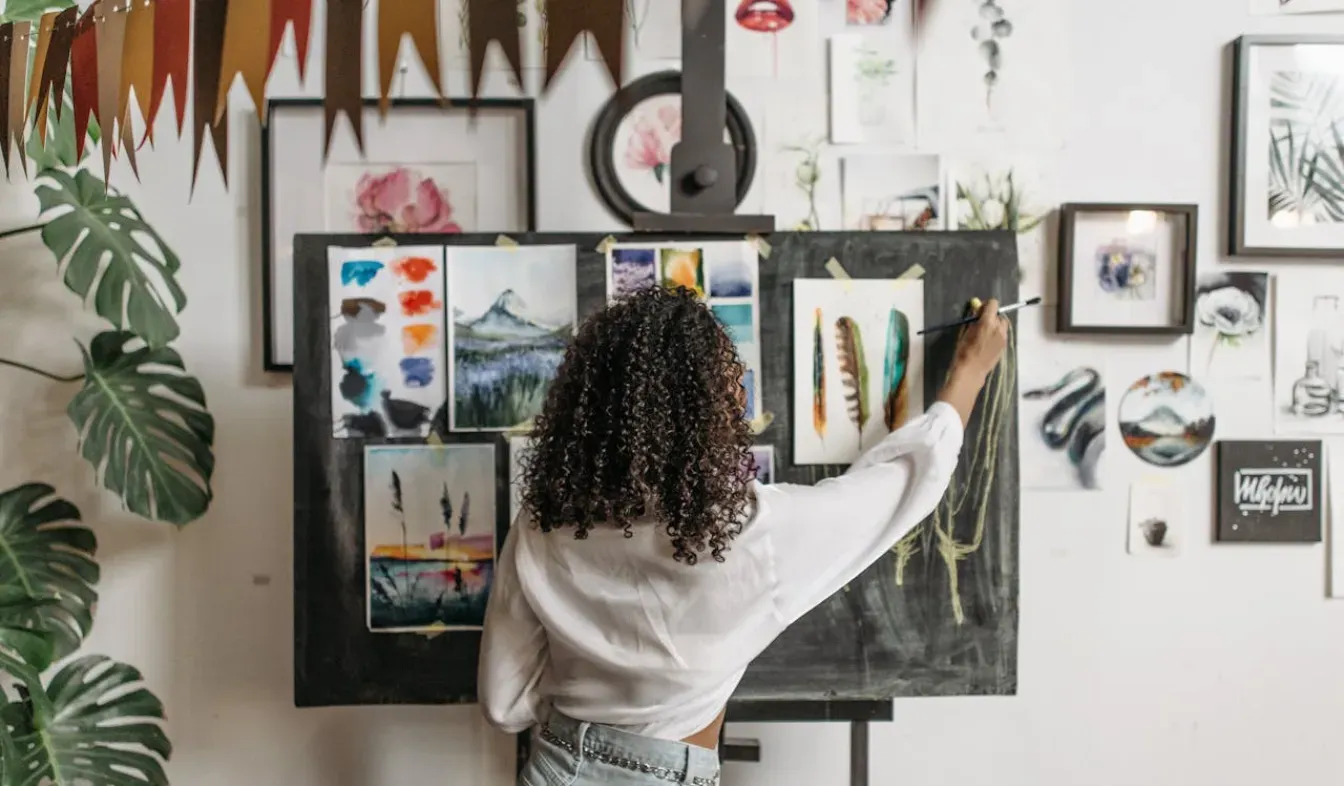
This technique is exactly what it sounds like, in fact. You use colors and brushstrokes to visually represent a feeling. This can be great for releasing suppressed feelings instantly. You do not try to make it look like anything specific, you see. The key is just letting the emotion flow from your hand.
2. Memory Collage: Processing and Healing the Past
You gather images, photos, and text that relate to a past event. Arranging them creates a new narrative you can look at safely. It is a powerful way of processing and healing the past. It externalizes the memory, making it less overwhelming.
3. Mandala Drawing: Promoting Calm and Focus
A mandala is a circular design. Drawing promotes calmness and focus by its nature. It is a mindful activity that encourages deep concentration. This is excellent for people dealing with high anxiety. Art Therapy for Emotional Centering is fantastic here.
4. Color Mapping: Understanding Your Emotional Landscape
You assign different colors to different emotions. Then you map those colors onto a body outline or a landscape. This helps visualize your inner world, really. This leads to a greater understanding of your emotional landscape. The goal is simply awareness.
Integrating Art Therapy Into Daily Life
You do not have to stop just because your formal session is over. Bringing these simple practices into your routine is vital. Spending twenty minutes mindlessly sketching can be a huge help. Art Therapy for Emotional maintenance can become part of your daily self-care.
Emerging Trends in Art Therapy for 2025 and Beyond
The therapy world is changing rapidly; that is true. Virtual art therapy workshops are a big trend now. This makes the service accessible across the USA. It lets you connect with a therapist from your own safe space.
At 24/7 DCT, all sessions are conducted online for your comfort and convenience. This means specialized Art Therapy for Emotional support is easy to get right now. You do not need to worry about travel or physical visits at all.
Final Reflections: Healing Through Creative Expression
Finding a way to heal that feels authentic to you is the most important thing. Art gives you an alternative voice, a silent one for expression. It opens a path for true self-healing and personal insight. Art Therapy for Emotional Freedom is a powerful tool on your healing journey. Art therapy can be a meaningful tool for emotional expression and growth.
Why Choose 24/7 DCT for Online Art Therapy
At 24/7 DCT, we connect you with licensed therapists specializing in creative methods. We only offer online sessions for convenience and complete privacy. We believe in finding the right, unique approach for everyone. Our goal is to provide Art Therapy for Emotional support whenever you need it. Creative healing begins with one small step — Book a session or contact us and let your emotions find their color again.

License: PhD, LCSW, LCAC
Years of Experience: 23 years+
Dr. Amanda Slaten is a sound leader with 23 years of experience in Behavioral Health. She has a bachelor’s degree in Psychology, a master’s degree in Social Work, and maintains two master’s level clinical license(s) of Licensed Clinical Social Worker (LCSW) and Licensed Clinical Addictions Counselor (LCAC). In addition, Dr. Slaten obtained a PhD in Business Psychology to affirm her commitment to leadership within the Behavioral Healthcare industry. She is a compassionate leader that has dedicated her professional career towards advancing service delivery for treatment of mental health and addiction.