Can Text-Based Therapy Really Help with Immediate Anxiety?
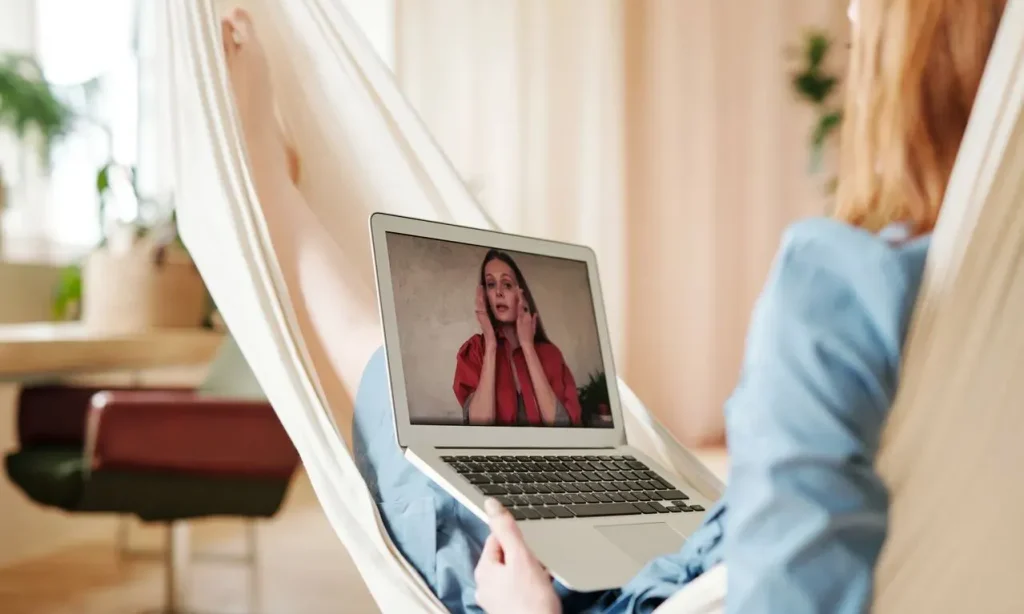
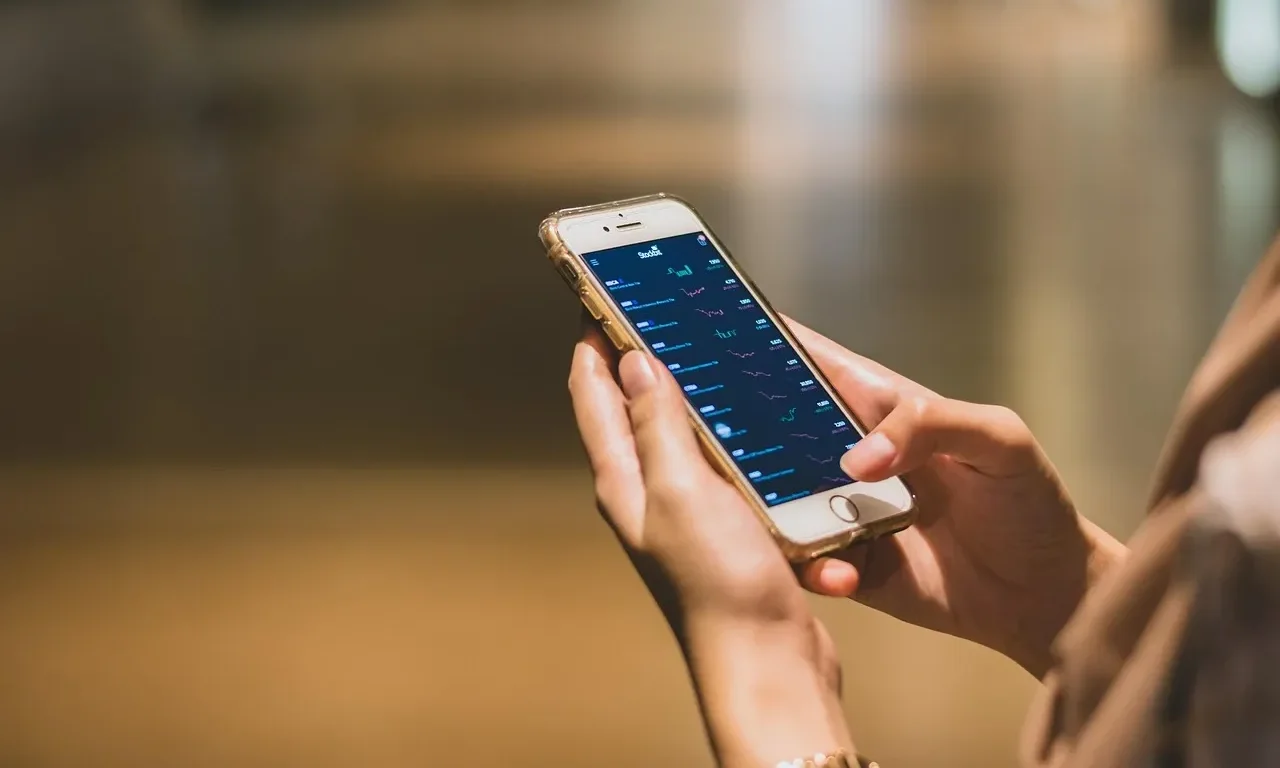
Anxiety often strikes at the most inconvenient times. You might be in a meeting. You might be in a crowded place. Traditional office visits are not always an option during a sudden spike in stress. This is where text-based therapy for anxiety becomes a practical tool for many people. At 24/7 DCT, we provide digital solutions that fit into your daily life. Messaging allows you to reach out and receive support based on your provider’s availability. It bridges the gap and helps you find a calm path forward.
Understanding How Digital Messaging Calms the Nervous System
The act of typing out your thoughts can be incredibly grounding. It forces your brain to organize chaotic emotions into structured sentences. This process is a form of asynchronous communication. It gives you time to reflect. You are not under pressure to speak immediately. You can pause and breathe while you compose your message. This slowdown effect helps lower your heart rate during high-stress moments. Digital platforms provide a private way to process feelings. You do not necessarily need a quiet room.
Is Text-Based Therapy for Anxiety Effective for Sudden Panic?
Immediate support is the biggest advantage of a digital mental health approach. When panic hits, waiting a week for an appointment feels impossible. Text-based therapy for anxiety allows for faster access to support. You can access professional guidance more quickly. You can describe your physical sensations as they happen. A licensed therapist can guide you with grounding techniques and coping strategies to help manage the moment. It provides a safety net that provides a sense of ongoing support between sessions.
The Unique Benefits of Asynchronous Communication in Crisis
One major benefit of texting is the written record it creates. In a traditional session, you might forget specific advice. With a messaging platform, you have access to real-time support transcripts. You can scroll back and re-read a helpful tip whenever you need it. This creates a personal library of coping strategies on your device. Having these words available 24/7 provides a sense of continuous security. It reinforces your progress and supports your formal sessions.
Breaking Down the Myths of Online Counseling Therapy Efficacy
Some worry that a screen creates a barrier to a real connection. However, research shows that a strong therapeutic alliance can also form through text. Many users feel more honest when they are writing. Many people prefer it over speaking. This is the core of accessible counseling in the USA today. You don’t have to worry about eye contact. Physical presence is less critical in this format. Some people find it easier to open up through writing, which can support meaningful progress. Texting is a valid and evidence-based way to manage your mental health.
Why a Licensed Digital Approach Offers a Safer Safety Net
Safety and privacy are non-negotiable when discussing your mental health. At 24/7 DCT, we ensure all messaging happens on secure, encrypted platforms. Working with a licensed professional is different from talking to a chatbot or a friend. You receive clinical insights tailored to your specific history. A digital approach allows you to stay consistent with your care. Your schedule does not become a barrier. It removes the stress of travel. This allows you to focus entirely on your healing.
Book a session through our online form or contact us if you prefer guidance. A licensed therapist at 24/7 DCT will help you find a path that best fits your needs.
FAQs
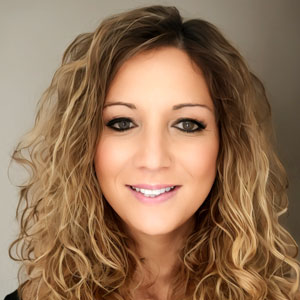
License: PhD, LCSW, LCAC
Years of Experience: 23 years+
Dr. Amanda Slaten is a sound leader with 23 years of experience in Behavioral Health. She has a bachelor’s degree in Psychology, a master’s degree in Social Work, and maintains two master’s level clinical license(s) of Licensed Clinical Social Worker (LCSW) and Licensed Clinical Addictions Counselor (LCAC). In addition, Dr. Slaten obtained a PhD in Business Psychology to affirm her commitment to leadership within the Behavioral Healthcare industry. She is a compassionate leader that has dedicated her professional career towards advancing service delivery for treatment of mental health and addiction.