
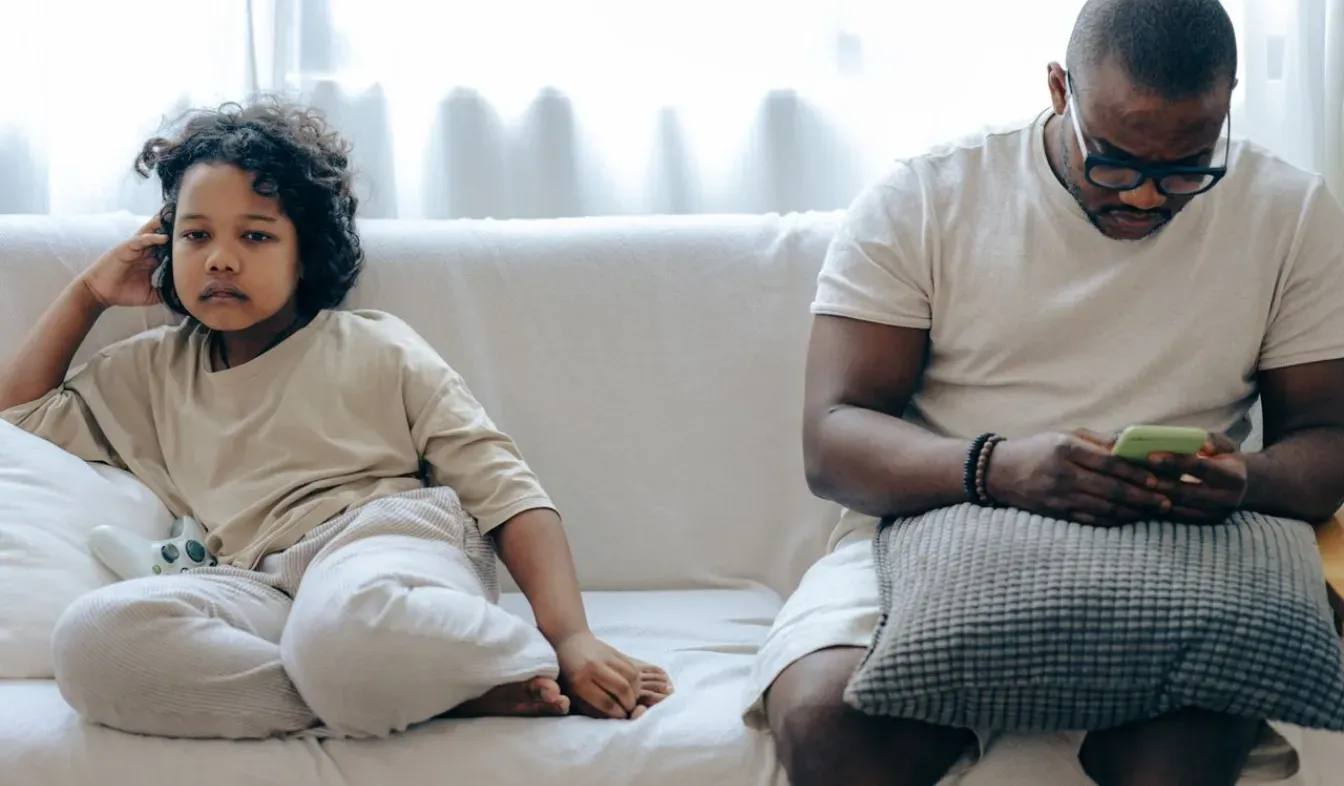
How Cheating Affects Children Emotionally
A secret text, a late-night phone call, an uncovered lie—whatever the spark, the cheating impact on children arrives fast. Even when parents whisper, kids overhear tone and sense distance. In counseling rooms from Ohio to Alabama and Illinois, we see the same pattern: sleep slips, grades wobble, tempers flare. This article shows how to spot hurt early and guide children back to steadier ground.
Kids Feel the Quake Before Anyone Talks
Young ears notice slammed doors and muted dinners. They may ask, “Did I do something?” Answer straight: “No, this is an adult problem, not yours.” Shame shrinks when a caring adult names the truth plainly. Watch for clinginess, stomachaches, or sudden perfectionism. Each can signal child emotional trauma brewing beneath the surface.
Age-Specific Waves of Worry
Preschoolers fear abandonment. Keep drop-off and pick-up times rock-solid. Grade-school kids crave fairness. Avoid blaming language; instead, praise each parent’s steady acts (“Dad still packs your lunch”). Teens question love itself. Share honest stories of repair—a friend’s family that bounced back, a grandparent’s second marriage that thrives. Addressing these parental infidelity effects by age prevents false beliefs from hardening.
Daily Anchors That Reassure
Routines restore safety. Try this trio:
- Post a weekly meal chart; invite kids to pick one dinner.
- Create a five-minute bedtime talk: one high, one low, one hope.
- Place a shared calendar on the fridge so no one wonders, “Who’s driving me Friday?”
Consistent rhythms counter broken family psychology by showing life still follows dependable beats.
Healthy Repair in Front of Kids
Children learn relationships by watching. Model calm conflict:
- Pause arguments until emotions cool—use a kitchen timer if needed.
- Speak feelings, not accusations: “I felt hurt when…”
- End with a small gesture of care—a hand on a shoulder or shared snack.
These moments teach that anger can pass and love can stay.
Mindful Parenting Tools
Try box breathing together when your anxiety gets out of control: take four breaths, hold them, release them, and repeat the process four times. For additional grounding suggestions you may begin right now, combine the practice with our comprehensive guide to Mindful Parenting.
When Outside Help Matters
Nightmares lingering past a month, slipping grades, or talk of self-harm signal time for expert care. A child-focused psychiatric evaluation clarifies needs. If therapy feels daunting, start with the American Academy of Pediatrics’ brief on family stress (find it at aap.org). Then reach out for professional support.
Ready to Rebuild Trust?
One conversation can change a family’s course. Contact us or book a session. 24/7 DCT therapists meet online or in person and serve Ohio, Alabama, and Illinois with compassion and skill.
FAQs

License: PhD, LCSW, LCAC
Years of Experience: 23 years+
Dr. Amanda Slaten is a sound leader with 23 years of experience in Behavioral Health. She has a bachelor’s degree in Psychology, a master’s degree in Social Work, and maintains two master’s level clinical license(s) of Licensed Clinical Social Worker (LCSW) and Licensed Clinical Addictions Counselor (LCAC). In addition, Dr. Slaten obtained a PhD in Business Psychology to affirm her commitment to leadership within the Behavioral Healthcare industry. She is a compassionate leader that has dedicated her professional career towards advancing service delivery for treatment of mental health and addiction.