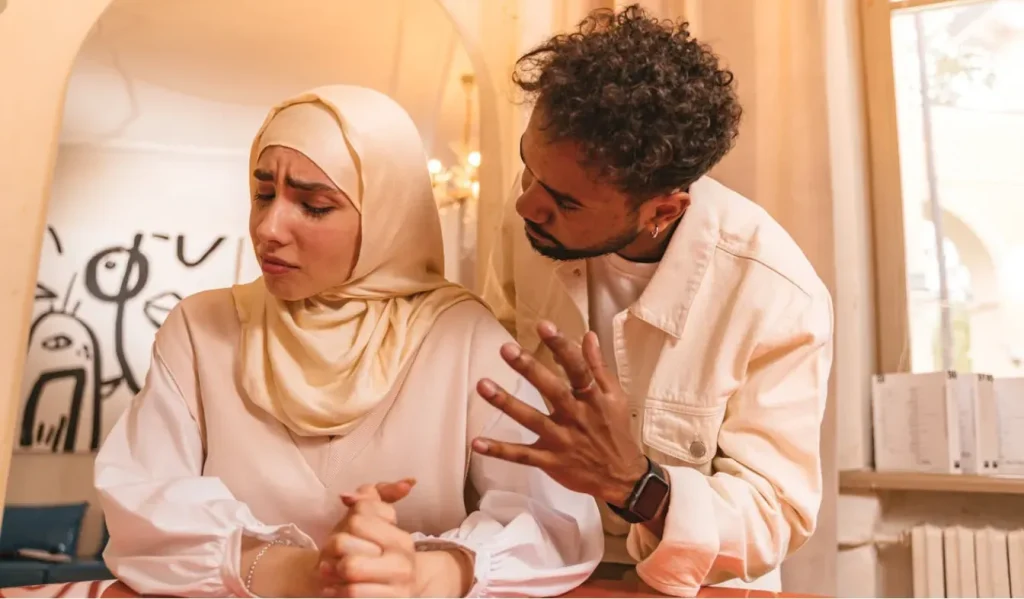

Coping with a Breakup Through Online Mental Health Support
You know, breakups don’t really end when someone walks away.
They end in the quiet that follows: the empty phone screen, the coffee that tastes different, the sudden ache when you wake up and remember.
That’s usually when people reach out for online mental health support.
Not to erase the pain, but because trying to “be strong” alone starts to feel like drowning quietly.
At 24/7 DCT, we meet people in that tender middle ground; not shattered, just carrying pieces that still ache.
Why Are Breakups and Divorces So Painful?
Because love doesn’t leave cleanly. You lose your routine, your person, the story you were writing together. Even goodbyes that make sense still sting. Your brain reads it as loss; same chemicals, same confusion.
Therapists remind you that your feelings aren’t wrong; they’re just real. Through online mental health support, you slowly learn to breathe through the chaos, name what truly hurts, and stop being so hard on yourself for feeling things deeply.
How Can You Recognize and Process Your Emotions After a Breakup?
Sometimes it shows up as anger, other times as silence. One day you’re holding it together, and the next you’re crying in the grocery aisle; and honestly, that’s okay. That’s healing; just not the tidy kind people talk about.
In online therapy after a breakup, we take it slow. Maybe you can talk. Maybe you just sit there for a bit. Even that silence says something.
What Is the Role of Grieving in Healing from a Relationship Loss?
Grief has no schedule. It shows up in songs, in smells, in memories you thought you buried. You don’t get over someone; you just learn how to live differently without them.
That’s where virtual counseling for breakup pain helps. A therapist doesn’t push you forward; they walk beside you until you can stand again.
How Can You Seek Support from Others During a Breakup?
When you’re hurting, the instinct is to pull back. To isolate. But connection, even a small one, helps the heart remember safety. Reach for a friend. Text someone you trust. And if you can’t? That’s what online mental health support is there for. You don’t need to have perfect words; you just need to show up.
At 24/7 DCT, it’s okay to cry mid-sentence or change the topic halfway. We’ll stay.
How Can Self-Care Help You Recover After a Breakup or Divorce?
It’s not about spa days or motivational quotes. Real self-care after a breakup is softer, smaller; dragging yourself out of bed, brushing your teeth, eating something warm, even when it feels hollow. It’s choosing to keep going, one quiet act at a time. That’s what healing looks like when your world has split a little.
Therapists might suggest little anchors: stretching, journaling, a daily walk, whatever helps you feel human again. Through online mental health support, you start noticing small wins: a morning without tears, a night you sleep through. Those matters.
Here is a helpful resource: NIMH – Caring for Your Mental Health
What Lessons Can You Learn From a Breakup?
Pain isn’t pointless if you let it speak. Every breakup leaves behind a kind of mirror, showing you how you loved, what you overlooked, and the places where you slowly disappeared. Mental health therapy for relationship loss helps turn those realizations into boundaries and self-respect. You start to understand that healing isn’t forgetting them; it’s remembering you.
How Can Online Mental Health Support Make Breakup Recovery Easier?
Because it’s there when life feels too heavy to leave the house. You log in, the screen lights up, and someone’s waiting; no judgment, no rush.
At 24/7 DCT, therapy meets you where you are. On the couch, lights dim, maybe tissues nearby. That’s enough. Sometimes you don’t need advice. You just need a voice that says, “You’re still here, and that’s progress.”
FAQs
Healing won’t erase what happened. But it can soften it. And maybe that’s enough to wake up one morning and feel a little lighter, knowing you don’t have to carry it alone. Because online mental health support isn’t about fixing your heart. It’s about helping you find it again.

License: PhD, LCSW, LCAC
Years of Experience: 23 years+
Dr. Amanda Slaten is a sound leader with 23 years of experience in Behavioral Health. She has a bachelor’s degree in Psychology, a master’s degree in Social Work, and maintains two master’s level clinical license(s) of Licensed Clinical Social Worker (LCSW) and Licensed Clinical Addictions Counselor (LCAC). In addition, Dr. Slaten obtained a PhD in Business Psychology to affirm her commitment to leadership within the Behavioral Healthcare industry. She is a compassionate leader that has dedicated her professional career towards advancing service delivery for treatment of mental health and addiction.