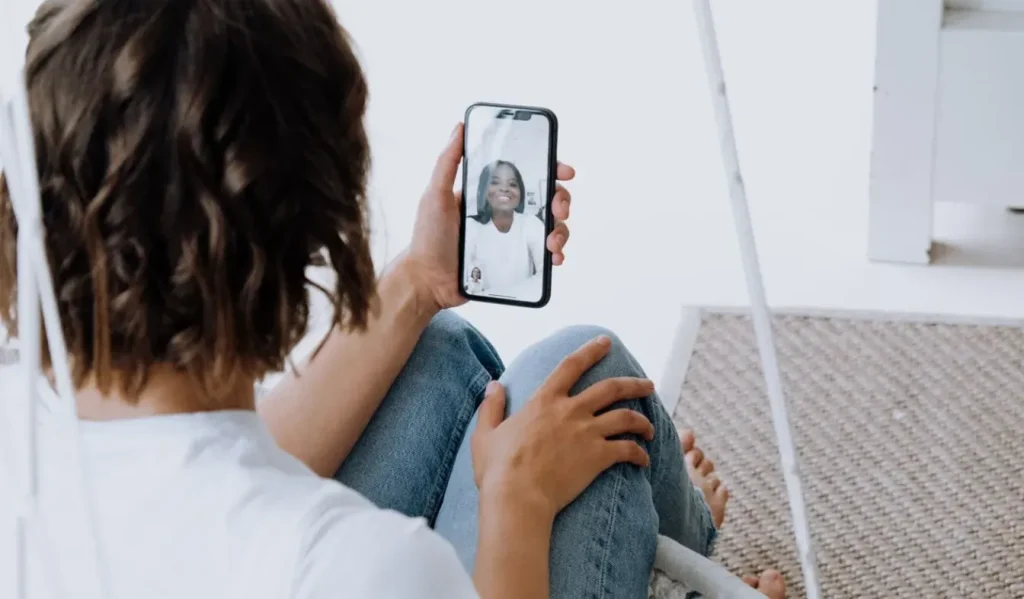

How Exposure Therapy Online Reduces Anxiety Step by Step
Anxiety makes your world feel tiny. You stop going places or doing things that feel scary. But avoiding those things makes the fear grow. That is why exposure therapy online is helpful. It lets you face fears slowly from your own house. You find out you can handle the stress.
How Exposure Therapy Helps Reduce Anxiety
The goal is to teach your brain a new fear response. When you run away, your brain thinks the danger is real. Facing it shows your nervous system that you are safe. This takes a lot of practice. By using exposure therapy online, you are retraining your mind to react better to old triggers.
Why Repeated Exposure Lowers Fear Over Time
Doing it again leads to safe learning. You stay in the moment until the panic starts to fade. Eventually, your brain stops the false alarms. It does not happen in one day. It happens in small, boring steps. Every win builds up your courage for the next part.
Why Exposure Therapy Online Is Effective
Many people like teletherapy because they feel safer at home. You can practice your new skills right where the anxiety usually hits you. 24/7 DCT focuses on real-life ways to get better. Choosing exposure therapy online means you do not have to drive to an office. This makes it much easier to show up for your appointments.
Types of Exposure Techniques Used Online
There are a few ways to do exposure therapy online. A therapist picks the one that fits your life. Some people face physical items. Others work on the thoughts in their head. These are proven ways to get better. They help you stop the cycle of hiding and worrying.
Real-Life Exposure Guided Through Online Sessions
This means facing the actual things that stress you out. You work on stopping avoidance patterns that keep you stuck. If you fear a certain store, you might go there while on a video call. Your therapist helps you through it. You learn to stay put instead of leaving.
Imaginal and Virtual Exposure Methods
Sometimes you cannot face the fear in person yet. So, you use imaginary exposure to talk through the scary scene. You describe it in detail with your therapist. This helps you process the memory without it being too much. It is a way to get ready for the real thing later.
Interoceptive Exposure for Panic-Based Anxiety
This method looks at internal sensations, like a fast heart or feeling dizzy. These feelings often cause a panic attack. You might spin in a chair to get dizzy on purpose. This shows you that the feeling is not dangerous. You build a better tolerance for feeling physically stressed.
Step-by-Step Exposure Therapy Online Process
The work is very organized. You do not just jump into your worst fear. You use an exposure hierarchy to go from easy tasks to the hard ones. This keeps exposure therapy online from being too scary. It makes sure you do not feel flooded by too much stress all at once.
Creating a Personalized Fear Ladder Online
You and the therapist build a fear ladder together. It is a list of things that scare you, ranked from low to high. You give each one a score. You start at the very bottom. This ensures that exposure therapy online provides a clear map of what to do. You always know what the next step is.
Tracking Progress During Online Exposure
Writing in progress logs is a big deal. You write down how you felt before and after the practice. This shows you how much the fear is dropping. It is hard to see small changes without writing them down. These logs prove that you are getting better.
What to Expect From Exposure Therapy Online Over Time
Being consistent is the most important part of the therapy timeline. You will probably feel some nerves at first. That is just part of how it works. After a few weeks of exposure therapy online, the tasks feel easier. You will start doing things you used to avoid. This growth stays with you for a long time.
For people in the USA, 24/7 DCT offers a way to handle these struggles. Whether you live in Ohio, Alabama, or Illinois, help is just a click away on your screen. Book a session through our online form, or contact us if you prefer guidance. A licensed therapist will help you find a group that fits your needs.
FAQs

License: PhD, LCSW, LCAC
Years of Experience: 23 years+
Dr. Amanda Slaten is a sound leader with 23 years of experience in Behavioral Health. She has a bachelor’s degree in Psychology, a master’s degree in Social Work, and maintains two master’s level clinical license(s) of Licensed Clinical Social Worker (LCSW) and Licensed Clinical Addictions Counselor (LCAC). In addition, Dr. Slaten obtained a PhD in Business Psychology to affirm her commitment to leadership within the Behavioral Healthcare industry. She is a compassionate leader that has dedicated her professional career towards advancing service delivery for treatment of mental health and addiction.