

Is Online Relationship Counseling Effective? Here’s What Research Says
Long workdays, late-night texts, and nonstop scrolls strain even solid bonds. Many couples now meet a therapist by video instead of driving across town. Does that screen lower results? Multiple studies say no.
Online relationship counseling delivered through secure portals—like the one 24/7 DCT provides for partners in Ohio, Alabama, and Illinois—matches office outcomes for satisfaction and communication while adding flexibility that families value. Let’s look at the data, the limits, and the practical wins.
What Studies Reveal About Online Relationship Counseling
Researchers tracked 750 low-income couples who completed the OurRelationship program entirely online. Those pairs showed large gains in satisfaction and emotional support, plus less conflict, compared with wait-list controls. A separate meta-analysis covering thirty-four teletherapy samples found that the therapeutic alliance—the top predictor of success—remains strong on screen. Together, these findings answer the headline question: virtual work can heal real rifts.
Measured Benefits: Satisfaction, Intimacy, and Stability
- Higher satisfaction scores. Digital Gottman Seven Principles workshops raised happiness levels as much as in-person classes.
- Sharper communication. Couples reported fewer “you always” accusations and more active-listening phrases after four online sessions.
- Lower dropout rates. Flexible scheduling reduced no-shows, keeping momentum and lowering relapse odds, according to a study reported by ScienceDirect.
Researchers note that easy log-ins help distressed partners stick with therapy long enough to practice new skills.
Therapeutic Alliance Holds Up on Screen
Many people worry that a camera lens feels cold. Data disagree. A 2024 review found only a small difference—well below clinical concern—between teletherapy and face-to-face alliance scores. Regarding a publication by PubMed, couples often say the video square keeps them focused and less self-conscious, making hard truths easier to voice.
When Digital Counseling Might Not Fit
Virtual work is not a fix-all. Severe violence, active addiction, or an untreated psychotic disorder requires in-person or emergency care first. Poor broadband also limits nuance in body language. Discuss these hurdles during intake; an ethical provider will redirect or blend formats when safety demands.
How 24/7 DCT Turns Evidence Into Action
- Licensed therapists only. Every therapist holds state credentials and explains acronyms—EFT, CBT—in plain words.
- Encrypted platform. Two-factor logins and HIPAA protocols keep shared moments private
- Real-time feedback. Tools like the speaker-listener drill run live; therapists prompt rewinds until respect sounds natural.
- As-needed scheduling. Evening, weekend, or staggered-device sessions let partners join from different cities without missing cues.
The service keeps the research promise while fitting Midwest commutes and Southern shift hours.
Cost, Insurance, and Value
Many PPO plans and several Medicaid programs reimburse telehealth; always check your benefits portal. 24/7 DCT offers sliding-scale options to close gaps. Lower travel, parking, and childcare bills widen the true savings, especially for couples juggling three jobs or a new baby.
Helpful Resources
- Relationship skill sheets – The Gottman Institute
- Telehealth consumer rights – American Psychological Association
- Medicaid teletherapy guide – Alabama Medicaid Agency
Ready to Test the Research Yourself?
Evidence only matters when it eases real evenings. Contact us today or book a session through 24/7 DCT’s secure form. A licensed therapist will tailor online relationship counseling to your unique story—so studies become lived experience.
FAQs
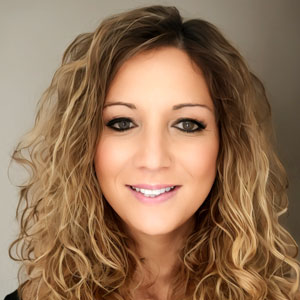
License: PhD, LCSW, LCAC
Years of Experience: 23 years+
Dr. Amanda Slaten is a sound leader with 23 years of experience in Behavioral Health. She has a bachelor’s degree in Psychology, a master’s degree in Social Work, and maintains two master’s level clinical license(s) of Licensed Clinical Social Worker (LCSW) and Licensed Clinical Addictions Counselor (LCAC). In addition, Dr. Slaten obtained a PhD in Business Psychology to affirm her commitment to leadership within the Behavioral Healthcare industry. She is a compassionate leader that has dedicated her professional career towards advancing service delivery for treatment of mental health and addiction.