
Key Benefits of Attending Couples Therapy
Summer plans shift, kids grow, work deadlines pulse—partnerships feel the squeeze. Many pairs wait until anger flares before seeking help, yet steady progress starts sooner. Learning the couples therapy benefits before crisis hits keeps love sturdy and daily life relaxed. This guide highlights clear gains, shows quick practice steps, and explains when extra support speeds healing.
Honest Conversations Feel Safe, Not Scary
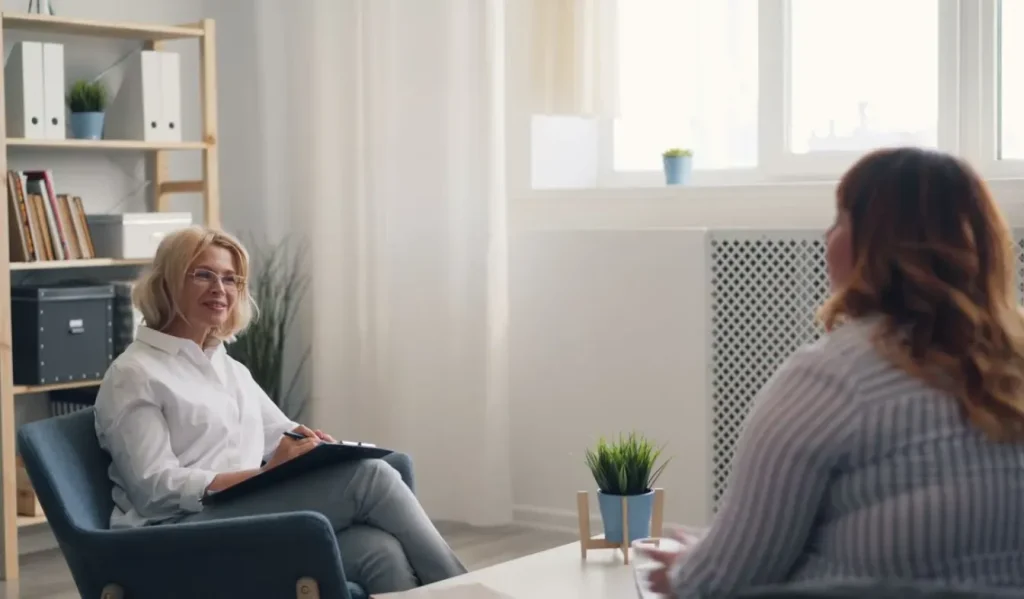
Therapy rooms set ground rules that everyday kitchens rarely hold. Each partner speaks in “I” sentences while the other mirrors words back. The therapist tracks tone, body language, and timing. Clear structure lowers heart rates, so brains move from fight-or-flight into problem-solving gear. Couples then trade blame for curiosity. A tense “You never listen” shifts into “I feel unheard after long days.” Safety breeds honesty. Honesty opens space for solutions.
Try This at Home
Set a timer for five minutes per speaker. Mirror back each sentence. Confirm accuracy before adding your point. End with one appreciation. Practice three nights this week. Notice softer moods by Friday.
Patterns Become Visible and Editable
Arguments often repeat like old songs. Therapy maps the chorus. A counselor may draw the “pursue–withdraw” loop on a whiteboard: one partner nags, the other shuts down, tension rises. Seeing the cycle written out breaks the trance. The pair can now target the dance, not the dancer. With guidance, partners write replacement lines: ask, pause, respond. Rehearsal inside sessions primes success at home.
Spot a Loop Today
List your last three arguments. Circle common triggers—late texts, finances, bedtime routines. Share lists during a calm walk. Agree on a code word to pause the loop next time it appears.
Emotional Intelligence Grows on Both Sides
Counselors teach partners to name feelings with precision: irritation, envy, regret, relief. Specific labels turn vague discomfort into solvable puzzles. Research in Emotion shows that people who label feelings recover faster from stress. Couples in therapy practice this skill weekly, then carry it into work teams and parenting moments. Emotional vocabulary becomes a family asset.
Practice a Two-Word Check-In
Each evening swap two feeling words from your day. Avoid “fine” or “good.” Use richer terms—hopeful, frazzled, playful. Children watching this ritual learn healthy expression early.
Conflict Shifts Into Collaborative Planning
Therapy moves issues from private corners into shared light. Partners list goals on paper: save for travel, schedule date nights, tackle debt. The counselor helps break each goal into tasks with deadlines and accountability. Written plans cut overwhelm and clarify priorities. Progress feels visible, not abstract. Couples celebrate completed steps instead of fixating on remaining gaps.
Create a Weekly Action Board
Use sticky notes for tasks: call plumber, review budget, plan hike. Place the board on the fridge. Move notes to a “done” column together each Sunday. Visual wins fuel momentum.
Intimacy Rekindles Through Micro-Moments
When tension eases and communication clears, physical and emotional closeness return. Therapists suggest micro-connections: ten-second hugs, secret hand squeezes, surprise texts. Small gestures release oxytocin, the bonding hormone. Over weeks, trust rebuilds and attraction follows. Couples report deeper conversations, spontaneous laughter, and revived playfulness.
Schedule One Micro-Date
Pick a fifteen-minute window tomorrow—tea on the porch, dance to one song, stargaze. Keep phones in another room. Short, focused presence outweighs unfocused hours together.
Resources Extend Support Beyond the Couch
Skilled therapists recommend books, podcasts, and workshops that match each couple’s style. Partners explore attachment theory, money scripts, or love languages between sessions. Extra materials reinforce lessons and spark fresh dialogue. Knowledge turns into habits faster when delivered in varied formats.
Curate a Shared Learning List
Each partner selects one resource monthly. Swap picks and discuss key takeaways over coffee. Ongoing learning keeps growth alive.
Helpful Resources
- Affordable counseling information: Alabama Medicaid Agency
- Coverage details for older couples: Medicare.gov
- Peer support circles: NAMI Alabama
- Evidence-based relationship tools: Gottman Institute
- Therapist directory: Psychology Today
Heal Root Wounds Side by Side
Therapy digs beneath surface fights to early life echoes. One partner felt ignored when parents worked late. The other heard constant criticism during homework time. Those memories ride into marriage unseen. Guided sessions surface them safely. Each partner tells one childhood scene without interruption. The listener mirrors details and feelings. Understanding grows. Blame fades. Future arguments carry less heat because both now recognize the hidden hurt that once fueled sharp words.
Build a Resilience Plan for Stormy Days
Life will throw new stress—job loss, illness, teen rebellion. Couples who draft a clear resilience map bounce back faster. Start with three calming tools you each trust: deep breaths, quick walks, or favorite music. Write them on a card taped to the fridge. Add a rule: when tension climbs, announce a five-minute break and pick one tool. Return after the timer rings and resume the talk. Practice during small disagreements so the plan feels natural when big storms hit.
Celebrate Wins Loudly and Often
Progress thrives on recognition. Share a victory jar in the living room. Drop a colored note whenever someone keeps a therapy promise: active listening, kind words, on-time budget review. Read the notes each Sunday evening while sharing dessert. Hearing your own growth through your partner’s eyes boosts commitment and joy. Big milestones—thirty straight days without yelling—deserve extra sparkle. Plan a picnic, print a photo book, or play that old song you both loved when dating. Regular celebration turns hard work into ongoing motivation.
Ready to deepen your bond? Book a session through our secure form—or contact us today. We will connect you with a licensed couple therapist who tailors guidance to your unique story.
FAQs

License: PhD, LCSW, LCAC
Years of Experience: 23 years+
Dr. Amanda Slaten is a sound leader with 23 years of experience in Behavioral Health. She has a bachelor’s degree in Psychology, a master’s degree in Social Work, and maintains two master’s level clinical license(s) of Licensed Clinical Social Worker (LCSW) and Licensed Clinical Addictions Counselor (LCAC). In addition, Dr. Slaten obtained a PhD in Business Psychology to affirm her commitment to leadership within the Behavioral Healthcare industry. She is a compassionate leader that has dedicated her professional career towards advancing service delivery for treatment of mental health and addiction.