
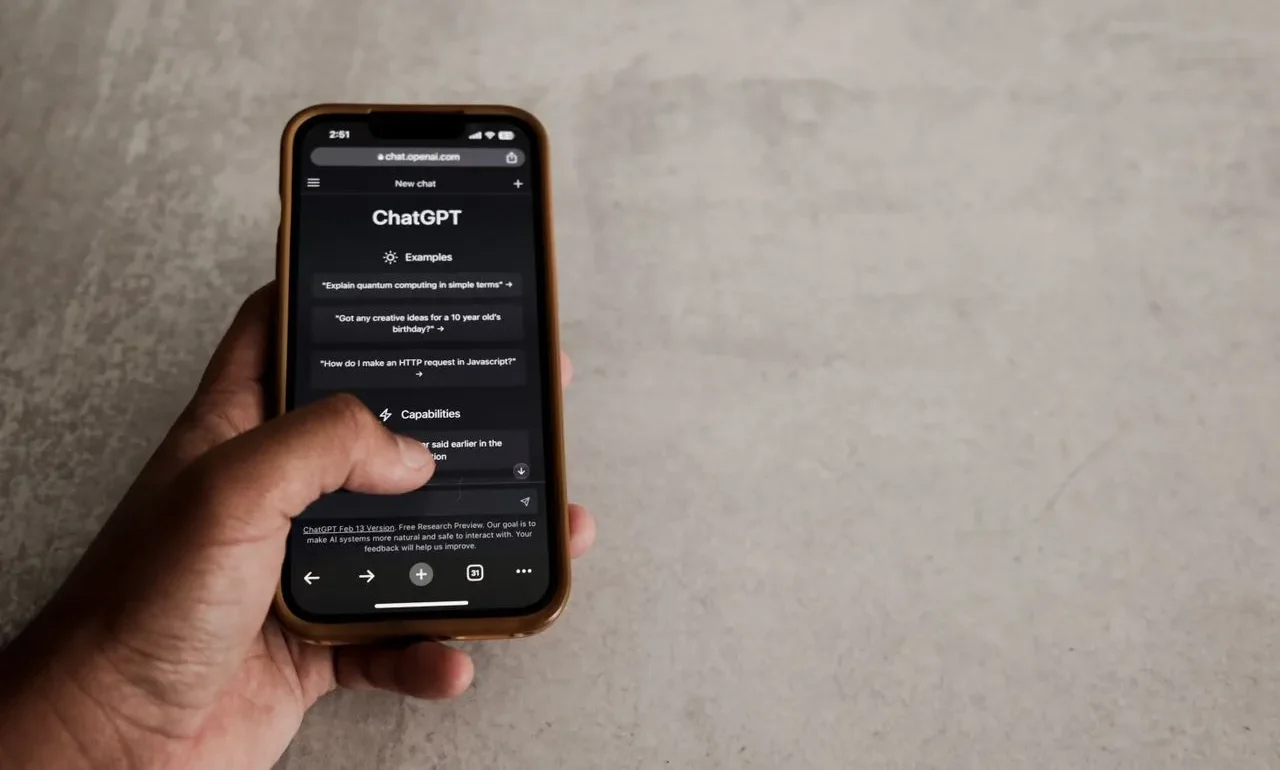
How Do Licensed Professionals Differ from AI Mental Health Chatbots?
Technology now enables instant conversations through automated apps and digital assistants. Many people in the USA turn to these tools for quick comfort. You might feel lonely or overwhelmed in the middle of the night. However, a significant gap exists between a programmed response and clinical care. Choosing licensed professionals vs. AI chatbots is about more than just convenience. It is about the safety of your mental health. At 24/7 DCT, we prioritize the depth of human connection. A machine can simulate conversation, but it cannot truly understand the weight of your experience.
Can a Machine Actually Understand the Complexity of Human Pain?
AI operates by predicting the next likely word in a sentence. It uses large amounts of data to predict what you might want to hear. It lacks the clinical nuance required to understand deep emotional subtext. A chatbot cannot sense the hesitation in your voice. It cannot interpret the emotional depth behind a short, blunt message. It follows a mathematical path rather than an empathetic one. Humans possess the unique ability to read between the lines. Human professionals understand that what you do not say is often as important as what you express. This level of understanding is vital for a safe environment.
Why Licensed Professionals vs. AI Chatbots Is a Matter of Safety
A licensed mental health expert is bound by strict legal codes. They follow ethical guidelines designed to protect clients. AI tools often come with disclaimers stating they are for entertainment only. This distinction is crucial when dealing with real psychological distress. Choosing licensed professionals vs. AI chatbots ensures your data is protected by HIPAA standards. At 24/7 DCT, your privacy is a foundational part of our service. You are speaking with a person held accountable by a licensing board. A chatbot has no such oversight. It has no professional liability.
The Danger of Missing Red Flags in Automated Mental Health Tools
Algorithms have significant limitations when it comes to identifying high-risk situations. A machine may miss subtle signs of a developing crisis. It cannot provide the immediate crisis intervention that a trained human can initiate. Software follows a rigid script. If your needs fall outside that script, the AI may give dangerous advice. It may provide irrelevant or inappropriate suggestions. Human professionals are trained to spot red flags early. We pivot our approach based on your immediate safety needs. This prevents small concerns from turning into unmanageable emergencies.
Why a Real Therapeutic Relationship Is the Foundation of Healing
Healing happens within the context of a trusted therapeutic relationship. You need to know that the person listening actually cares about your progress. Human empathy is not something that can be coded into an app. It is a shared experience between two living beings. A chatbot cannot celebrate your wins. It cannot sit with you in your grief. It can only repeat “I understand” without actually experiencing the meaning behind that statement. Real change requires the warmth and validation that only a human professional provides.
Choosing Evidence-Based Expertise over a Programmed Response
True progress depends on ethical standards and evidence-based methods tailored to you. At 24/7 DCT, we do not rely on a one-size-fits-all algorithm. We look at your history. We consider your history and specific goals to create a personalized plan. Our experts help you navigate life with tools that are proven to work. Moving away from the screen and toward a professional is a sign of strength. It shows you value your health enough to seek the best care. Trust the expertise of a professional who understands your experiences.
Book a session through our online form or contact us if you prefer guidance. A licensed therapist at 24/7 DCT will help you find a path that best fits your needs.
FAQs
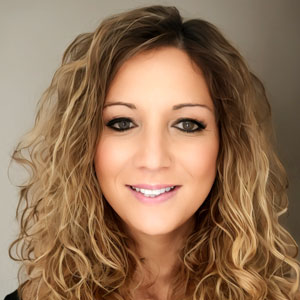
License: PhD, LCSW, LCAC
Years of Experience: 23 years+
Dr. Amanda Slaten is a sound leader with 23 years of experience in Behavioral Health. She has a bachelor’s degree in Psychology, a master’s degree in Social Work, and maintains two master’s level clinical license(s) of Licensed Clinical Social Worker (LCSW) and Licensed Clinical Addictions Counselor (LCAC). In addition, Dr. Slaten obtained a PhD in Business Psychology to affirm her commitment to leadership within the Behavioral Healthcare industry. She is a compassionate leader that has dedicated her professional career towards advancing service delivery for treatment of mental health and addiction.