
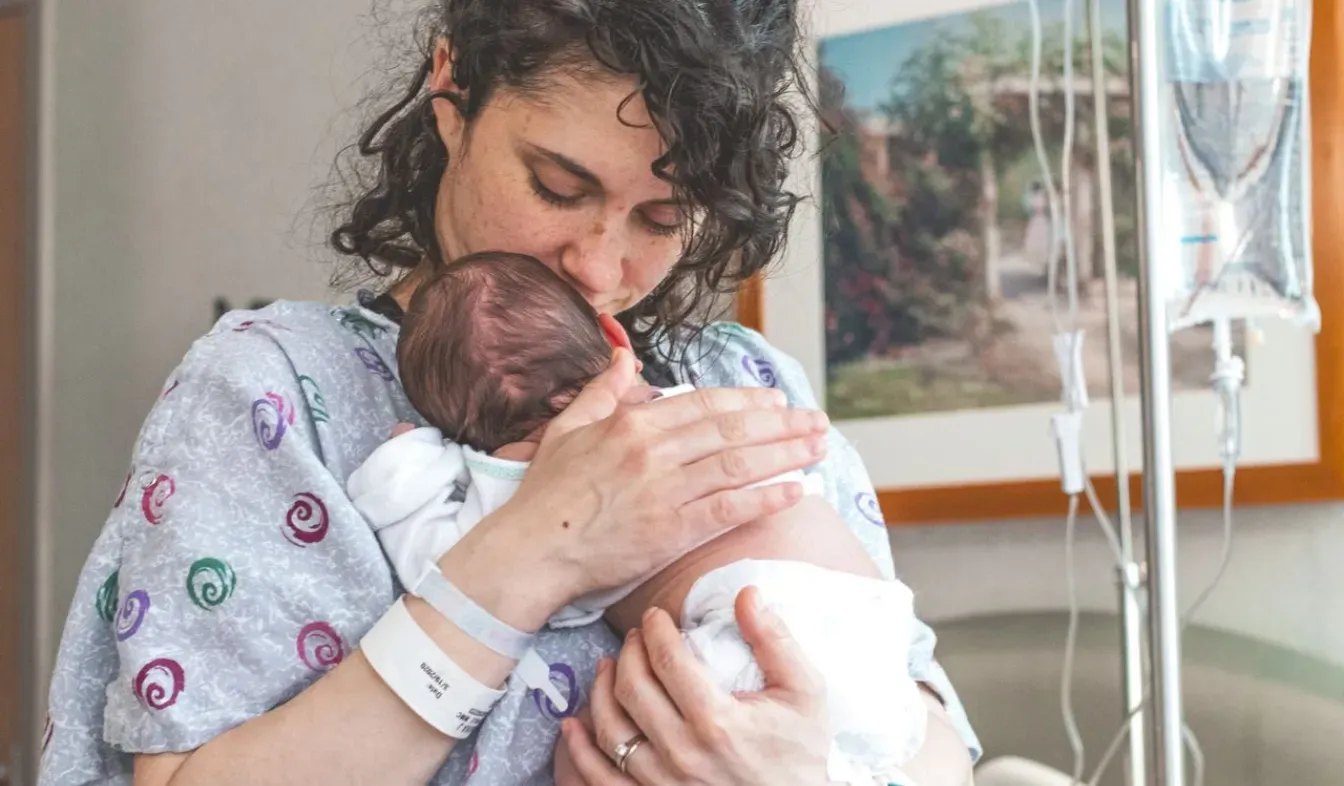
Perinatal Therapy for Postpartum Support and Emotional Health
The first wave of parenthood often hits harder than you expect, right? One moment you are thrilled, the next you are just tired, and maybe a little lost in the fog. Look, many new parents struggle with intense feelings that they never saw coming. Perinatal mental health is a real thing, and honestly, it deserves expert attention. That is where Perinatal Therapy steps in 24/7 DCT focuses on this exact need, offering support solely through online sessions for clients in the USA.
Understanding Perinatal Mental Health
So, what is the perinatal period, exactly? It is that stretch from when you find out you are pregnant, right through that first year postpartum. It is a time of massive shifts, hormones, sleep, and identity; it is a lot. You might find that the baby blues stick around too long. If persistent feelings of sadness or panic start showing up, it is time to consider Perinatal Therapy. It is about catching these postpartum mental health issues before they take over.
Common Perinatal Mental Health Conditions
It is not just about feeling down; there is a whole spectrum of experiences here. We often see intense Perinatal Anxiety or sometimes even Perinatal OCD. Birth trauma can lead to Perinatal PTSD, which is serious. We need to look past the vague labels. Perinatal Therapy helps you name what you are feeling.
Perinatal Depression: Signs and Support Options
Postpartum Depression, or PPD, is tough. It makes even small tasks feel monumental. You might notice a real lack of joy. This is not a personal failure; it is a temporary imbalance needing support. Utilizing Perinatal Therapy helps untangle those negative thought loops.
Recognizing the Symptoms
You will find that symptoms vary a bit. Maybe you have terrible sleep issues even when the baby sleeps soundly. Perhaps constant irritability surprises you, or you feel a nagging hopelessness. These are the whispers that turn into shouts if ignored.
Evidence-Based Treatments for Perinatal Depression
Good news: effective treatment exists now. We talk about techniques like EMDR Therapy to process tough emotions and memories. For some, medication can balance things out while you work in therapy. Perinatal Therapy gives you a roadmap out of the dark spots.
Perinatal Anxiety and Intrusive Thoughts
That churning feeling in your stomach? It is probably Perinatal Anxiety. It is the constant loop of what if. You worry about everything, from feeding to safety. This persistent Perinatal Worry drains your energy reserves fast.
Symptoms and Risk Factors
Think about things like hormonal changes acting as a trigger. Maybe you had a rough past or are just utterly sleep-deprived. These factors compound the anxiety. Perinatal Therapy provides tools to quiet that inner alarm.
Perinatal OCD (Obsessive-Compulsive Disorder)
OCD postpartum can be scary because the thoughts are often about harming the baby. These are unwanted, shocking thoughts. The resulting compulsions are mental or physical rituals to keep the scary thought away. Perinatal Therapy, especially involving Cognitive-Behavioral Interventions, breaks this cycle.
Common Triggers During Pregnancy and Postpartum
Often, the trigger relates directly to fear of harm to the infant. You might obsess over every little bump or cough. The constant need to check that the baby is safe becomes exhausting.
Perinatal PTSD: Healing from Birth-Related Trauma
If the delivery was unexpected or felt out of control, trauma can set in. This birth trauma does not just disappear on its own. You might start having sudden, vivid flashbacks to the delivery room. This is where trauma-informed care becomes essential.
Symptoms and When to Seek Help
Look for avoidance of anything reminding you of the birth. Maybe you feel constantly keyed up, that hyperarousal. If you are avoiding talking about the birth completely, it is time for Perinatal Therapy.
Postpartum Psychosis: Recognizing a Mental Health Emergency
This is the critical one. Postpartum Psychosis is not just severe depression. It involves a break from reality, like hallucinations. If you notice rapid mood swings or psychotic episodes, this is a true crisis. Do not delay seeking care.
When to Seek Immediate Professional Help
Stop reading and call a crisis hotline if this sounds relevant. This needs emergency psychiatry involvement immediately. You need professional backup in place right now.
The Role of Perinatal Therapy in Recovery and Resilience
Therapy is more than just venting; it is active work. Perinatal Therapy provides specialized therapeutic interventions. It helps you build the mental strength you need for this new chapter. It is a dedicated time just for you to heal.
How Therapy Supports Postpartum Healing
We use techniques that ground you in the present moment, like mindfulness. Sometimes, focusing on somatic awareness, what your body is feeling, is key. Talk Therapy helps you name the nameless anxieties.
Partner and Family Involvement in Therapy
It is not just about the birthing parent. Your partner is impacted, too. Family therapy sessions can improve supportive communication. Couples counseling ensures the partnership stays strong while you both adjust.
How 24/7 DCT Supports Perinatal Mental Health
We at 24/7 DCT specialize in providing help remotely. Because we operate online, you get access to our expertise without logistical hurdles. We have certified therapists who truly understand the perinatal phase. We are here to meet you where you are.
Our Trauma-Informed and Compassionate Care Approach
We offer empathy-based care. Our methods are evidence-based, meaning they are proven to work. We always prioritize a trauma-informed practice in every session. We aim to make your experience feel safe and respected.
Getting Started with Perinatal Therapy
It really is straightforward to start. First, you will go through a Perinatal Therapy process. Then, you will have a consultation to discuss your needs. Online therapy option is something we look at, though our current focus is on remote support for this service.
Resources and Support for Postpartum Well-Being
If you need external resources, investigate Postpartum Support International. They are fantastic. Building your personal support networks is crucial work right now. Remember, connecting with other parents helps immensely.
You Are Not Alone: Reach Out for Help
Seriously, pick up the phone or send that email today. Counseling services exist specifically for this complex time. Professional help is well within reach, especially with our accessible online model at 24/7 DCT. Self-care is not selfish; it is absolutely required for recovery. Seeking Perinatal Therapy is an investment in your whole family’s well-being. Support your teen’s growth and confidence — Book a session or contact us for trusted adolescent care.

License: PhD, LCSW, LCAC
Years of Experience: 23 years+
Dr. Amanda Slaten is a sound leader with 23 years of experience in Behavioral Health. She has a bachelor’s degree in Psychology, a master’s degree in Social Work, and maintains two master’s level clinical license(s) of Licensed Clinical Social Worker (LCSW) and Licensed Clinical Addictions Counselor (LCAC). In addition, Dr. Slaten obtained a PhD in Business Psychology to affirm her commitment to leadership within the Behavioral Healthcare industry. She is a compassionate leader that has dedicated her professional career towards advancing service delivery for treatment of mental health and addiction.