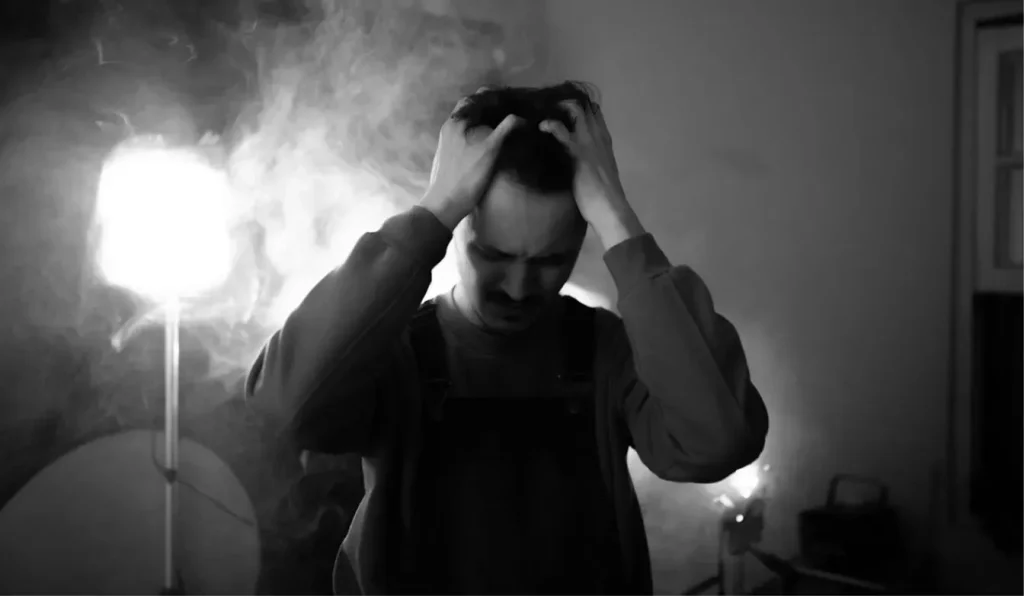

When You Can’t Stop Crying: Therapy for Emotional Overload
Hey… sometimes it just doesn’t stop, does it? You wipe your face, breathe deep, tell yourself to get it together, but the tears keep coming anyway. You don’t even know why half the time. It’s just too much.
You’ve held it in for too long. Possibly it is stress, possibly it is grief, possibly it is all. But it’s not a weakness. It’s your heart finally saying, “I can’t keep carrying this.”
That’s when therapy for emotional overload really helps. You don’t have to be strong there. You just show up; tears, mess, all of it. In therapy for emotional overload, someone sits with you until the noise inside finally starts to quiet down.
Why Therapy for Emotional Overload Becomes Necessary
It is just that you can only carry so much before it overflows. You make a bid to be calm, smile, and state that you are fine, but deep inside, everything is mixed up. Little things start feeling huge. You cry over a text, snap at someone you love, then feel guilty for it.
That is the appearance of emotional overload. It is because your mind is carrying a white flag, which your mind is not able to carry now. You’re not weak; you’re human.
That’s when therapy for emotional overload matters. It helps you understand what your body and heart have been trying to say. In therapy for emotional overload, you finally get space to breathe without pretending you’re okay.
How Therapy for Emotional Overload Helps You Heal
Healing doesn’t start with big steps. It starts with tiny ones, showing up, even when you don’t want to talk. Sometimes you cry through half the session and say almost nothing. And that’s okay.
In therapy for emotional overload, no one asks you to be strong. You can fall apart there. You may be untidy, weary, enraged, anything you please. The therapist only accompanies you to live through it rather than running away.
Something changes little by little. You do not feel pegged, and you just feel lighter getting therapy for emotional overload; you are taught something important. It is not about becoming someone new. It is about the process of healing. It is returning to the times when you were not hurt.
Why Crying Isn’t a Sign of Weakness
It does not mean that you are weak to cry. It only means that you have hung on too long. You attempted to be calm and continue smiling and being alright until you could not do it anymore.
Tears are your body’s way of saying, “I can’t hold this pain alone.” They wash out what words can’t. You don’t have to hide from that.
In therapy for emotional overload, you learn that crying isn’t a failure; it’s release. It is what makes your body take the weight of everything. You gradually begin to trust your feelings, rather than being afraid of them, with the help of therapy for emotional overload.
What Happens When You Ignore Emotional Overload
You begin to go dead, unaware. You tell yourself you’re fine. You carry on, smiling, serving everybody, when you are burning inside you on fumes.
Your body begins to show it first. You can’t sleep. You snap easily. You cry when no one’s around. That’s what emotional overload does when it’s left alone; it slowly takes pieces of you until you feel empty.
That’s why getting therapy for emotional overload matters. It is the place where you can just forget pretending. You get to know how to listen to the pain you have rather than suppress it; that is where true healing quietly sets in.
What Therapy Can do to get you back in touch with yourself
After some time, you cease being yourself. You laugh, and it does not seem to be really so. You pass through your days like a shadow – do you do things, but you are not there. You no longer care, just that you do not. You’re just tired. Deep down, tired.
In therapy for emotional overload, you begin to find pieces of yourself again. Not all at once, just slowly; in small conversations, quiet pauses, honest tears. You get to know how to listen to your heart. And on a day when you are not even aware of it, you are touched by something warm coming back, a spark, a little warmth. It’s you, coming back.
Why Choose 24/7 DCT for Emotional Support
At such times, life becomes overwhelmingly difficult. The mere thought of seeking help may appear impossible. It might even feel like the last thing on your mind. A wallet service like 24/7 DCT is designed for you to get in touch with someone when you feel down.
The moment you get to this place, no one expects you to have perfectly drafted explanations. You just show up as you are: quiet, tearful, confused, or numb. The therapists listen, really listen, without judgment or pressure.
With therapy for emotional overload, you’re guided by people who understand emotional pain, not just treat it. And when you’re ready, you can book a session anytime, day or night, because healing shouldn’t have a schedule.
FAQs

License: PhD, LCSW, LCAC
Years of Experience: 23 years+
Dr. Amanda Slaten is a sound leader with 23 years of experience in Behavioral Health. She has a bachelor’s degree in Psychology, a master’s degree in Social Work, and maintains two master’s level clinical license(s) of Licensed Clinical Social Worker (LCSW) and Licensed Clinical Addictions Counselor (LCAC). In addition, Dr. Slaten obtained a PhD in Business Psychology to affirm her commitment to leadership within the Behavioral Healthcare industry. She is a compassionate leader that has dedicated her professional career towards advancing service delivery for treatment of mental health and addiction.