Understanding the Signs of Love Addiction
Clinging to a partner, ignoring red flags, or losing your sense of self—these are not just signs of strong feelings. They might be love addiction signs. Love addiction is not officially listed in the DSM, but many mental health experts recognize its emotional impact. It can look like obsession, emotional highs and lows, or the deep fear of being alone. If you live in Ohio, Alabama, or Illinois and see yourself in these patterns, know that help is available—and recovery is possible.
What Does Love Addiction Really Feel Like?
Some people confuse deep affection with addiction. The difference lies in the loss of control. You may feel anxious if your partner pulls away or overly focused on how they feel about you. You may even stay in toxic situations out of fear. These behaviors are rooted in intense emotional dependency, not just affection
Patterns That Point to Unhealthy Attachment
A key part of healing is recognizing when love becomes more about need than connection. Unhealthy attachment may show up as constantly checking your phone, feeling worthless when alone, or staying in relationships where respect is missing. These habits wear down your emotional health and can keep you from developing secure, balanced bonds.
The Role of Past Pain in Relationship Addiction
Love addiction often ties back to old wounds. If you were abandoned, neglected, or rarely affirmed as a child, you might chase love today to fill that gap. Relationship addiction grows when love becomes your only source of worth. Without self-esteem, people-pleasing and over-investment follow. Understanding this cycle is the first step toward emotional freedom.
Breaking Free: What Recovery Can Look Like
Healing does not mean giving up on love. It means learning to feel whole with or without a relationship. Therapy can help you understand why these patterns show up and how to build new ones. Talking with a licensed provider through “24/7 DCT” is one place to begin. Support can be flexible, private, and tailored to your needs—whether you live in Alabama, Ohio, or Illinois.
Take Action, Even If It Is Just One Step
If any of this feels familiar, you are not alone. There is support designed for people exactly in your shoes. You can start by reflecting, journaling, or speaking to someone you trust. And when you are ready, contact us or book a session through our secure online form. Small steps can lead to big change—and you deserve that.
Trusted Resources That Can Help
Not sure where to turn next? These resources might offer a starting point:
- Psychology Today shares articles and tools written by therapists. It is a helpful space to explore what healing might look like.
- The Attachment Project breaks down how early bonds impact how we connect as adults.
- Alabama Medicaid explains coverage options if you live in Alabama and want to explore therapy through public assistance.
- You can also check your local state health department to find mental health programs near you. They often list providers, hotlines, and support groups based on your zip code.
FAQs
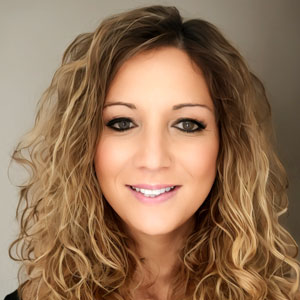
License: PhD, LCSW, LCAC
Years of Experience: 23 years+
Dr. Amanda Slaten is a sound leader with 23 years of experience in Behavioral Health. She has a bachelor’s degree in Psychology, a master’s degree in Social Work, and maintains two master’s level clinical license(s) of Licensed Clinical Social Worker (LCSW) and Licensed Clinical Addictions Counselor (LCAC). In addition, Dr. Slaten obtained a PhD in Business Psychology to affirm her commitment to leadership within the Behavioral Healthcare industry. She is a compassionate leader that has dedicated her professional career towards advancing service delivery for treatment of mental health and addiction.