Why 24/7 Mental Health Counseling Saves Lives
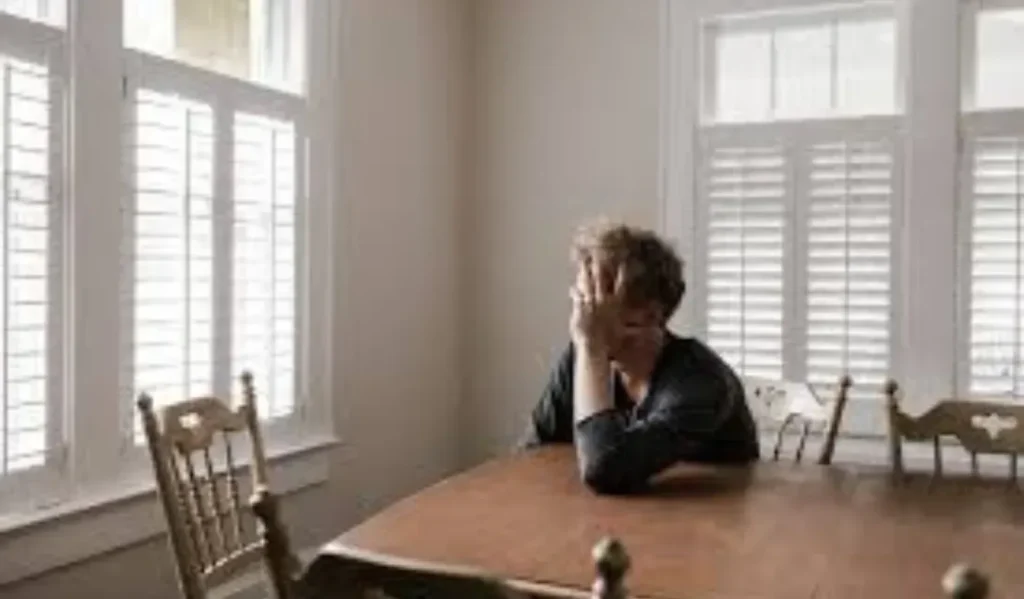
It’s sometimes after two. Too quiet; the kind where even the fridge hum starts to sound alive. You catch yourself listening to it, heart thudding harder than it should. The phone’s in your hand again before you realize it, thumb scrolling for… something, anything to quiet your head. Nothing helps.
That’s usually when 24/7 mental health counseling online matters most; not a hotline, not an app, just another person awake somewhere, ready to listen. 24/7 DCT was built for exactly that: a connection that stays open when everything else closes.
Why Is 24/7 Mental Health Counseling Online Essential?
Panic doesn’t keep business hours. It shows up when the house goes still, when you’re out of words or out of friends to text. Having 24/7 mental health counseling online means you can reach someone at 3 a.m., not three days later.
At 24/7 DCT, someone actually answers, fast. They talk you through the breathing, the shaking, the part where everything feels too heavy. Sometimes that’s enough. You make it through the night, and that’s where healing starts; not dramatic, just real.
What Role Does Accessibility Play in Saving Lives?
Access sounds simple until you need it and can’t find it. Digital counseling bridges that gap. You could be in a quiet town where everything closes early, a noisy apartment with no real privacy, or a dorm that never quite sleeps. Doesn’t matter. If you’ve got your phone and a bit of signal, that’s enough. Students, parents, and night-shift workers.
Whoever can’t make daytime therapy work can still find someone to talk to. That immediacy turns isolation into safety. Seconds matter; telehealth gives them back.
How Do 24/7 Resources Break the Stigma Around Seeking Help?
Old stigma whispered, Don’t tell anyone. Online spaces whisper something else: you can talk here. When counseling happens online, it feels quieter, safer. Those confidential chats and virtual sessions mean you can speak without glancing over your shoulder or wondering who might see you walk into a clinic.
Each message, each late-night call, softens that fear a little. Over time, therapy stops feeling like a secret and starts feeling like maintenance; the kind everyone deserves. 24/7 DCT keeps that door open quietly, no judgment attached.
What Are the Proven Impacts of 24/7 Mental Health Counseling?
Studies keep saying it: immediate help saves lives. The National Institute of Mental Health shows that people who reach trained counselors in crisis are less likely to attempt self-harm.
SAMHSA data points to midnight through 4 a.m. as the highest-risk hours; exactly when most clinics are dark.
That’s why 24/7 DCT never closes. Someone always answers. Sometimes that single conversation changes the whole direction of a night.
How Can Continuous Support Prevent Escalation of Mental Health Challenges?
Healing doesn’t follow a calendar. Some days you feel okay, others you unravel before breakfast. Ongoing 24/7 mental health counseling online keeps you tethered when the drop happens.
Continuous care means you can check in early, before panic grows teeth. Maybe it’s a quick chat, or just hearing, “You’re still doing okay.” A breathing exercise. A pause. Tiny things, really. But they’re the things that stop a bad night from becoming a breakdown.
How Can Colleges, Workplaces, and Communities Implement 24/7 Counseling?
Colleges are finally seeing mental health as part of safety. Many now partner with digital platforms like 24/7 DCT so students can talk after hours, not just during office hours.
Employers follow suit, adding chat-based therapy to benefits so workers on night shifts aren’t left out. Communities link local suicide-prevention resources with online programs. Bit by bit, care becomes normal, reachable, routine.
Why Is Faculty and Staff Training Important in Suicide Prevention?
Because the first person to notice isn’t always a therapist. It’s the professor who sees attendance slip, the manager who hears a tone change. Mental-health first-aid training teaches them what to look for and how to act fast; not fix, just connect.
When that awareness pairs with 24/7 DCT access, it turns concern into prevention, quietly and effectively.
How Do Online Platforms and Hotlines Expand Support Availability?
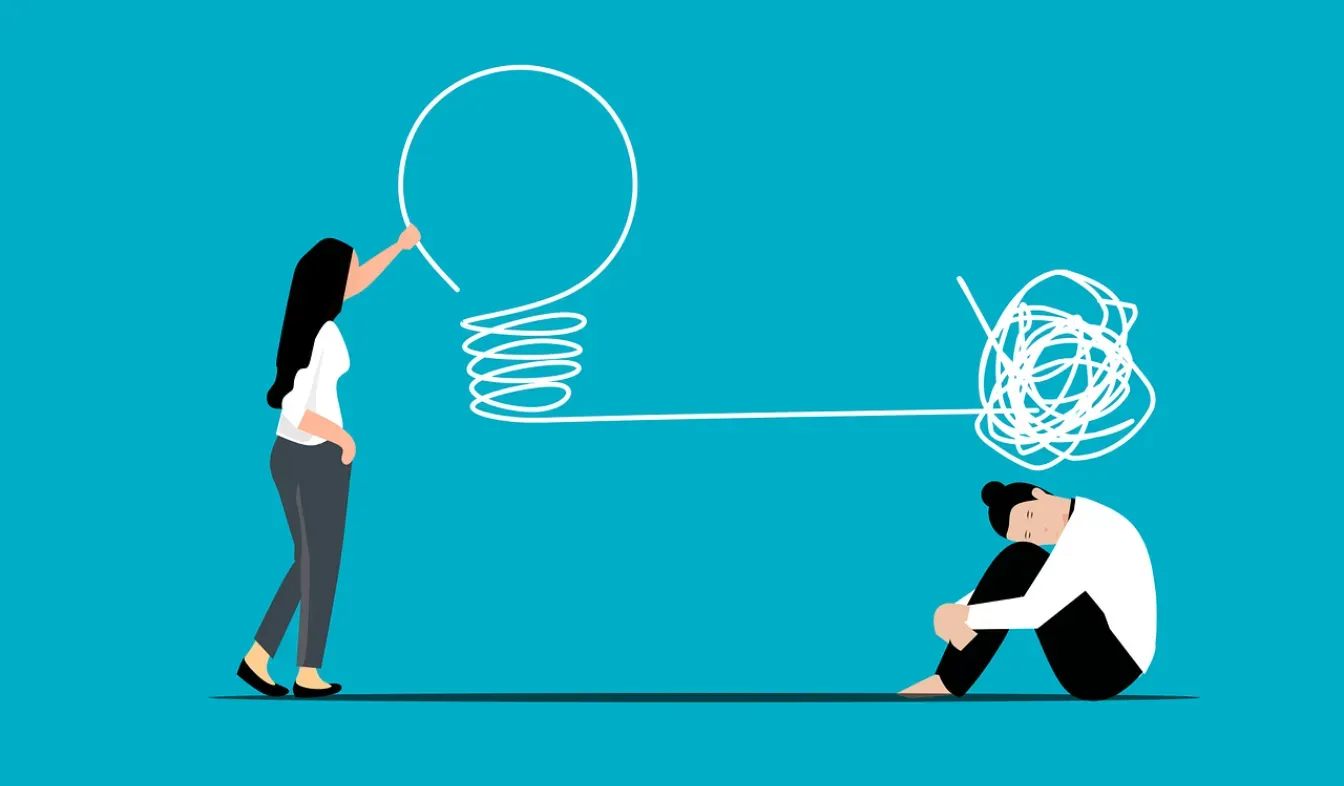
Hotlines catch the crisis. Online therapy carries it forward. Someone texts in panic, gets through the moment, and then moves into steady sessions once things calm down.
That bridge, from chaos to care, matters. 24/7 DCT keeps both ends linked, so help doesn’t stop once the danger passes.
How Does Telehealth Improve Accessibility and Response Time?
Telehealth mental-health support takes away the stuff that slows you down: the travel, the forms, the waiting rooms. You just reach out and someone’s there, right then. No waiting room. No commute. You log in, pick a time, and within minutes, you’re talking to a licensed counselor.
That immediacy changes outcomes. The faster someone speaks to a professional, the less likely fear turns physical. Online, that helps fit into real life instead of the other way around.
How Can Panic Disorder Be Prevented or Managed Without Leaving Home?
Small habits stack up to protection. Enough sleep. A real meal. Stepping outside for a minute. Practicing stress management before the spiral starts. Joining online support groups to remember you’re not the only one awake at 1 a.m.
Perfection isn’t the goal; steadiness is. Each act tells your body it’s safe again, and eventually, it believes you.
When Should I Seek Emergency Help Instead of Online Therapy?
If breathing gets hard, if pain feels heavy, or if you think you might not make it through, stop and call emergency services. Don’t wait. Once you’re safe, 24/7 DCT can help you process what happened, the fear after, and the what-ifs. 24/7 mental health counseling online saves lives, but emergencies still need hands-on care first.
Why Choose 24/7 DCT for At-Home Mental Health Therapy?
Because it’s built for people who need a real human voice, not a script. 24/7 DCT connects you with licensed, kind, awake-at-any-hour therapists who understand panic, grief, and exhaustion in all their messy forms.
No pressure to perform, no waiting list; just space to breathe. It’s counseling designed for how people actually live now: online, late, and looking for relief that feels human.
Why Is Investing in 24/7 Counseling a Life-Saving Necessity?
Every September marks Suicide Prevention Awareness Month, but the need doesn’t end there. Continuous care is the difference between a crisis line and a safety net. 24/7 DCT believes no one should face the hardest hour of the night alone, and proves it, one session at a time.
If you or someone you love needs help, book a session for 24/7 mental health counseling online or contact us. Even a single message can steady the ground under your feet.

License: PhD, LCSW, LCAC
Years of Experience: 23 years+
Dr. Amanda Slaten is a sound leader with 23 years of experience in Behavioral Health. She has a bachelor’s degree in Psychology, a master’s degree in Social Work, and maintains two master’s level clinical license(s) of Licensed Clinical Social Worker (LCSW) and Licensed Clinical Addictions Counselor (LCAC). In addition, Dr. Slaten obtained a PhD in Business Psychology to affirm her commitment to leadership within the Behavioral Healthcare industry. She is a compassionate leader that has dedicated her professional career towards advancing service delivery for treatment of mental health and addiction.