
How 24/7 Therapy Chat Services Can Help During a Mental Health Emergency
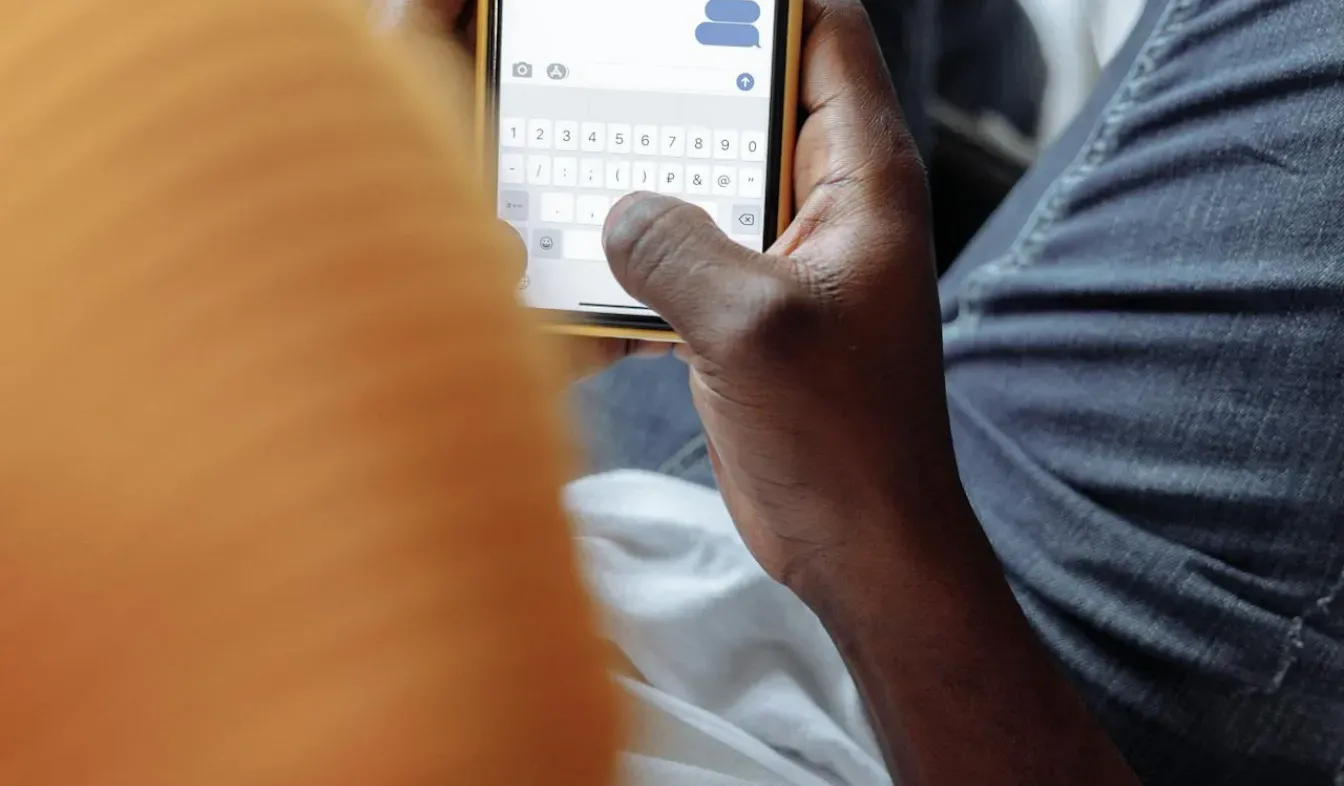
Sometimes, it can hit out of nowhere; your chest becomes too tight, and no matter how hard you try, your mind continues racing. The world feels too loud suddenly. You grab your phone, thinking to yourself, Who can I even talk to right now? In that space between panic and silence, 24/7 therapy chat services become more than a feature; they’re a lifeline.
At 24/7 DCT, people find their lifeline waiting on the other side of a chat window; not a robot, not a form, but a licensed therapist who listens first. When the rest of life feels unsteady, that tiny blinking cursor means one thing: you’re not alone.
Understanding What a Mental Health Emergency Feels Like
A mental health emergency is not necessarily dramatic. It may appear serene on the surface, one scrolling, staring, or typing slowly; however, internally, there is a sense of chaos. Racing thoughts. Sudden fear. The sense that you might do something unsafe just to make it stop.
According to the National Institute of Mental Health (NIMH), these moments are the points when the set of emotions or behavior has turned into a dangerous excess. And those are the times when time is of the essence.
Reaching for immediate mental support through chat can be the difference between spiraling further and finding a thread of calm. There’s no need to explain everything perfectly; you just start typing. That’s often enough to begin easing the storm.
What Exactly Are 24/7 Therapy Chat Services?
Consider 24/7 therapy chat services to be instant access to licensed mental health professionals; no waiting rooms, no appointments necessary, and you don’t have to talk out loud if your voice shakes. Through a virtual therapy chat, people can connect instantly with someone trained to understand a crisis.
At 24/7 DCT, every message sent is private and protected under a secure system. The therapist listens, responds, and in turn helps you breathe through the noise. Some users say they feel a kind of quiet safety typing in a dim room, the screen light soft on their face, the words forming like slow steps back toward control. That’s therapy too; just in a modern, accessible way.
How Chat Support Helps in Those First Minutes
When panic peaks, logic takes a back seat. That’s when chat counseling is most helpful. This is not about intense analysis, but rather about the grounding that the therapist wants to achieve. They could be reminding you to feel your hands playing the keyboard, paying attention to your breathing, or even taking a bite of water. Little things that make your body know you are still here.
Unlike a phone call, chat lets you take pauses. You can think, delete, retype; a rhythm that gives space to process. Those first few minutes often feel like exhaling after holding your breath for too long.
At 24/7 DCT, there is a fast response time of a few seconds, rather than several hours. Each response is given calmly, soothing to trembling hands. And although all of this goes on, it is good to feel that a person is with you at the time you panic.
From Crisis to Planning: Building the Next Step
Once things quiet down a little, the therapist helps you look forward again. That’s where a therapeutic chat platform becomes more than a rescue line; it becomes a bridge. Together, you might map small next steps: removing triggers, reaching out to safe contacts, or finding ongoing therapy.
Others save the discussions to read them later. Not only words, but it is a testimony to the fact that they have lived through a night, which might have ended otherwise. And in case they desire, they can book a session with the same platform to have continued support.
That’s how 24/7 DCT turns a single chat into a continuing path; not just surviving the night, but rebuilding what comes after.
Why Choose Chat Over Hotlines or Bots?
Hotlines are essential, but talking out loud can feel too intense for some. Maybe others are nearby, or maybe words just get stuck in your throat. With online therapy chat, you can still reach a real therapist without saying a word.
Bots, on the other hand, may sound friendly but can’t feel fear or empathy. A bot can’t read the heaviness behind short answers or the sudden silence that signals danger. That’s why crisis counseling chat services with trained humans matter; they sense nuance, they check back when you go quiet, they remember you’re not data but a person.
According to the Centers for Disease Control and Prevention (CDC), quick professional response during mental health crises can significantly reduce long-term harm. That’s exactly what 24/7 DCT’s therapists provide; immediate human presence, right when it matters most.
Clearing Up Misconceptions
Some people think chat therapy can’t be a serious help. They imagine it’s too simple, too distant. But when your hands shake and your thoughts race, the distance between you and help is just one message.
24/7 therapy chat services don’t replace emergency rooms or long-term care; they fill the gap between panic and stability. If an individual is physically at risk, therapists will guide the person to an emergency response unit or the 988 Suicide and Crisis Lifeline. However, to the people who simply need to hang on, a therapy chat platform may become a silent room where all things slow down to a pace where thought may just come back to mind.
Sometimes, that’s all the help you need to make it through the night.
When Is It Time to Reach Out?
You don’t have to wait until everything collapses. If you’ve been carrying too much; can’t sleep, can’t focus, or feel detached from yourself, that’s already reason enough to reach out. Many people start typing before they even know what to say. That’s fine. You figure it out together.
At 24/7 DCT, help doesn’t clock out. Whether it’s midnight panic or a slow afternoon meltdown, someone’s online, waiting to listen. You can type one word or a hundred; what matters is that you start. Sometimes that first message is the hardest and the most important.
Conclusion
A mental health emergency doesn’t wait for morning. It doesn’t care about schedules or traffic or time zones. That’s why 24/7 therapy chat services exist: to meet you exactly where you are, in real time, without judgment.
If you or someone close to you is struggling, don’t hold it in another night. Contact us today or book a session with a licensed therapist at 24/7 DCT. There’s always someone ready to read, to listen, and to help you steady the moment before it unravels.
FAQs

License: PhD, LCSW, LCAC
Years of Experience: 23 years+
Dr. Amanda Slaten is a sound leader with 23 years of experience in Behavioral Health. She has a bachelor’s degree in Psychology, a master’s degree in Social Work, and maintains two master’s level clinical license(s) of Licensed Clinical Social Worker (LCSW) and Licensed Clinical Addictions Counselor (LCAC). In addition, Dr. Slaten obtained a PhD in Business Psychology to affirm her commitment to leadership within the Behavioral Healthcare industry. She is a compassionate leader that has dedicated her professional career towards advancing service delivery for treatment of mental health and addiction.