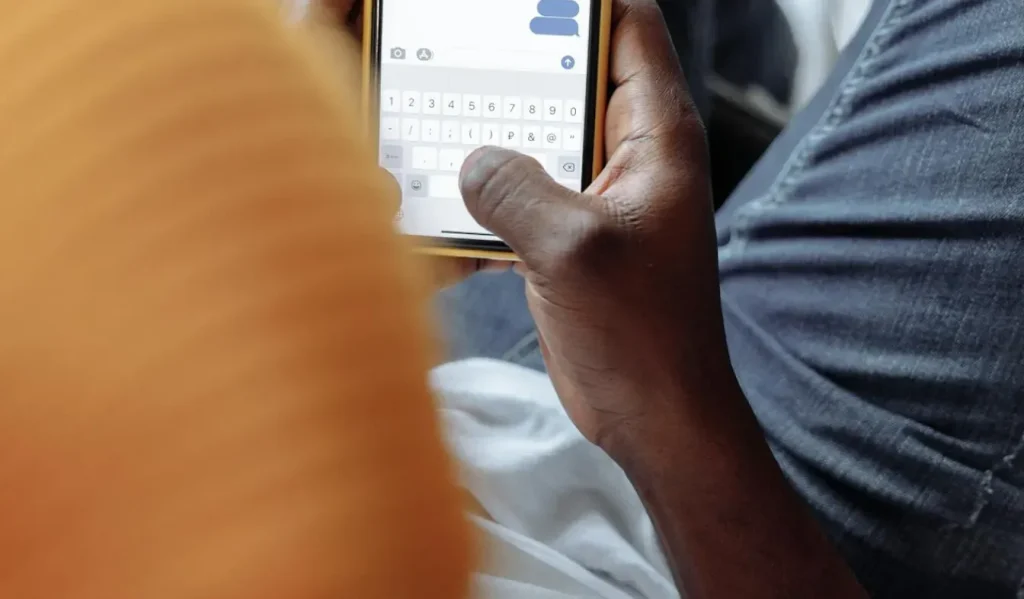

Online Therapy for Teens Struggling with Peer Pressure
Being a teenager is tough. What to wear, who to make friends with, what to post on the social network, all this is as though it is under the burning eyes of the camera. The vast majority of the teens will not confess to the fact that it is tiring to stay up. When they finally whisper that something feels off, online therapy for teens struggling with peer pressure becomes a safe starting point.
At 24/7 DCT, we meet teens where they already are: online. Sometimes the first message is only a few words—“I don’t fit in.” But that’s enough. It opens a space where honesty feels possible again.
What Is Peer Pressure and How Does It Affect Teenagers?
Peer pressure is not only about feeling compelled to do what friends say. It is the silent fear of standing out as being weird. Adolescents twist regulations or do not rely on intuitions to fit in. A laugh that they did not intend, a drink that they did not like, a posting that they wish they could take off later, all these decisions shave off confidence.
According to the American Psychological Association (APA), constant comparison and approval seeking increase anxiety and decrease self-esteem. Online therapy for teens struggling with peer pressure assists in causing the teens to decelerate that din, perceive what is occurring, and how they are influenced before it takes over.
Why Are Teens More Vulnerable to Peer Pressure?
Adolescence is a phase in life when one’s brain feels inclined towards making connections. Acceptance lights up the same reward circuits as success. Rejection, on the other hand, stings like pain. Add social media, and that intensity multiplies.
I see it often: a teen describing how one ignored message ruins their night. They’re not dramatic—it’s biology and belonging colliding. In sessions, we unpack that mix of fear and curiosity. Neither is it about destroying peers, but about sensitizing teens to the stage at which they must live up to a crowd to an extreme degree of expectation of them.
What Are the Signs Your Teen May Be Struggling with Peer Pressure?
Sometimes there is a mood change. Sometimes it’s silence. Grades dip, routines vanish, humor fades. Parents sense something but can’t name it.
During teen peer pressure counseling, therapists watch for small tells—the long pause before answering, the shrug that hides shame. When a teen finally types, “I didn’t want to, but everyone did,” that’s the turning point. Awareness gives them the capacity to make a choice.
How Does Peer Pressure Impact Teen Mental Health?
Disturbed sleep, anxiety flare-ups, irresponsible conduct- all these signs of danger. The National Institute of Mental Health (NIMH) revealed that early provision minimizes the likelihood of depression in adulthood and substance abuse. Therapy for teenage anxiety involves rewiring responses. This is through learning to relax and inhale and exhale, revisiting bad thoughts, and the establishment of inner stability that is not related to the acceptance of a group.
Can Peer Pressure Ever Be Positive for Teens?
It can. Healthy influence pushes teens toward better habits: studying together, joining sports, and volunteering. Positive peer energy gives motivation structure.
At 24/7 DCT, we help teens spot which peers encourage growth versus those who drain confidence. Influence isn’t the enemy; unconscious imitation is. As soon as teens realize that difference, they can find circles that elevate them.
What Challenges Do Families Face When Teens Experience Peer Pressure?
Parents often walk on eggshells. They want to protect but not smother. Some over-question, others stay silent out of fear they’ll make it worse. The house feels tense.
Online teen mental health support bridges that gap. Therapists sometimes invite parents for joint sessions—gentle conversations that turn blame into understanding. Families relearn how to listen without fixing every problem on the spot.
How Can Online Therapy Help Teens Resist Peer Pressure?
Privacy changes everything. Teens type more freely when no one’s watching. Through virtual counseling for teens, they explore why saying “no” feels impossible and practice it safely in chat or video sessions.
24/7 DCT runs around the clock, so help doesn’t depend on school schedules or office hours. Sometimes a midnight conversation prevents a morning mistake. It’s that immediate.
What Therapeutic Approaches Are Used in Online Therapy for Peer Pressure?
There are various approaches that therapists draw ideas. Cognitive Behavioral Therapy (CBT) helps teenagers become aware and skeptical of the thoughts that depress them. When the emotions are excessive, Dialectical Behavior Therapy (DBT) is used to intervene. Acceptance and Commitment Therapy (ACT) assists them in being more compassionate towards themselves. Yet it is not the superstars who do the magic as such; it is the manner in which they talk. Instead of textbook language, it sounds more like, “Let’s look at that thought again. Is it helping or hurting?” Simple words, calm tone. That’s what makes teens feel safe enough to open up. Change doesn’t shout. It slips in quietly—a softer message, fewer panic texts, a clearer sense of what’s okay and what’s not.
How Does Online Counseling Build Confidence and Assertiveness in Teens?
Confidence rarely arrives as a loud moment. It grows from practice—saying “I’ll pass” instead of “Maybe later.”
In therapy, we rehearse short responses until they feel natural. Every minor victory reprograms the brain to anticipate honor. The Online therapy for teens struggling with peer pressure is silent in the way it shifts the attention from taking care of the people to the self.
What Strategies Can Teens Learn Through Online Therapy to Manage Peer Pressure?
They are taught to step ahead of the response to question the intentions behind a yes. We instruct grounding, boundary-setting, and problem-solving. Even journaling between sessions helps—writing out choices before acting.
Those lessons stick as a result of online teen therapy chat sessions where there is someone to support a teen who is at their weakest point.
How Can Parents Support Their Teen Dealing with Peer Pressure?
Begin with interest, not discourse. Instead of telling them what you think, inquire what is the most difficult thing for them to do now? Adolescents volunteer when they feel that they are not being punished, but are being patient.
We teach the parent to have a tone, learn when to talk, when to listen, and when to just sit beside at 24/7 DCT. When it is not about control, it is more effective.
Why Choose 24/7 DCT for Online Teen Peer Pressure Counseling?
Because timing matters more than location. 24/7 DCT offers licensed therapists, immediate scheduling, and private communication that fits around real teen life.
No waiting weeks for appointments, no explaining absences at school. Just help that’s there when it’s needed most.
When Should You Consider Seeking Online Therapy for Your Teen?
In case your anxiety goes on for weeks, behavior becomes dangerous, or you disengage with previously enjoyed activities, contact early. Don’t wait for “serious.” Prevention is easier than crisis management.
Online therapy for teens struggling with peer pressure meets teens before things collapse, while they still believe change is possible.
How to Get Started with Online Therapy for Peer Pressure at 24/7 DCT
Getting started is easy. Go there, post a few background facts, and the staff will pair you with a teenager-sensitive therapist. You may book a session or contact us 24 hours.
Within hours, a secure chat or video link is ready—no paperwork maze, no waitlists. Real help, right away.
FAQs

License: PhD, LCSW, LCAC
Years of Experience: 23 years+
Dr. Amanda Slaten is a sound leader with 23 years of experience in Behavioral Health. She has a bachelor’s degree in Psychology, a master’s degree in Social Work, and maintains two master’s level clinical license(s) of Licensed Clinical Social Worker (LCSW) and Licensed Clinical Addictions Counselor (LCAC). In addition, Dr. Slaten obtained a PhD in Business Psychology to affirm her commitment to leadership within the Behavioral Healthcare industry. She is a compassionate leader that has dedicated her professional career towards advancing service delivery for treatment of mental health and addiction.