
What Is Telehealth Mental Health Therapy and How Does It Work?
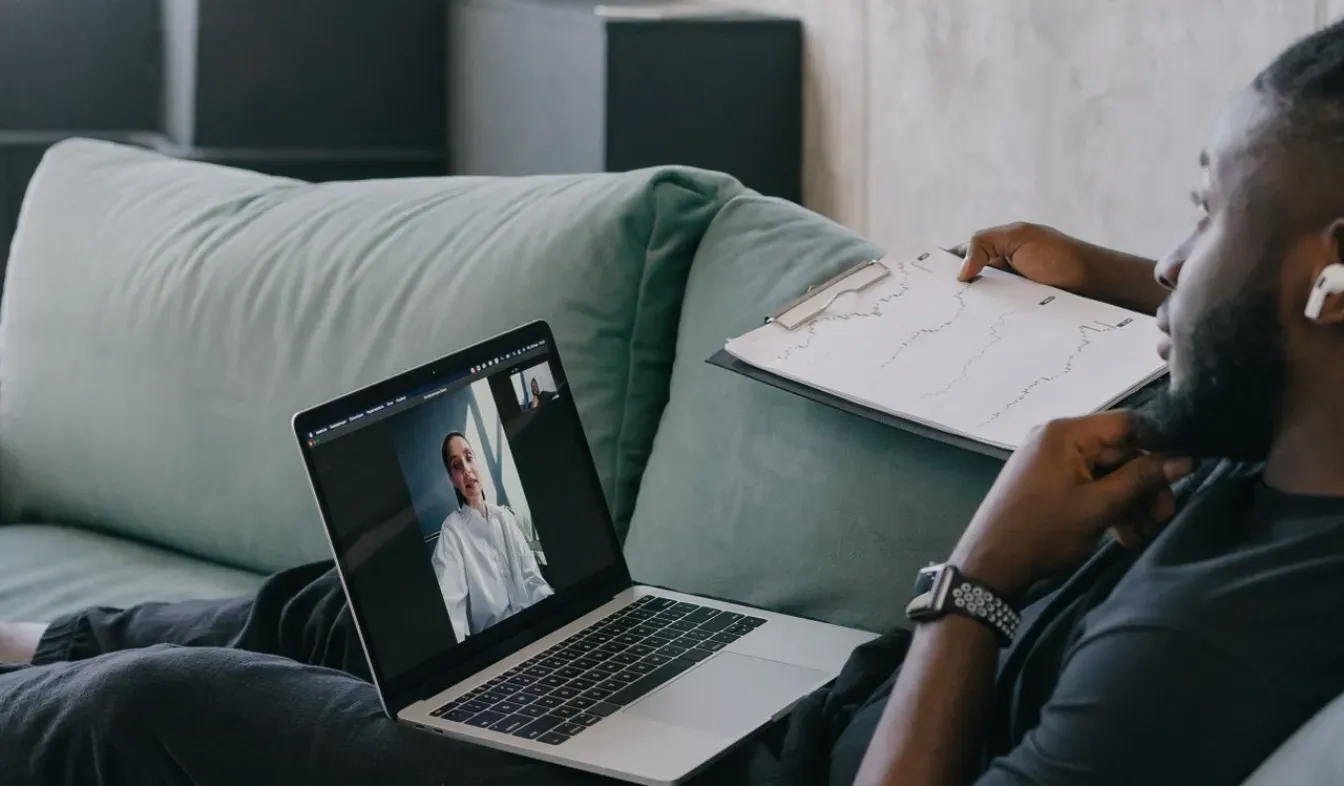
Life doesn’t stop for appointments, but care still matters. With telehealth mental health therapy, you meet a licensed clinician online, no commuting or crowded waiting rooms. Sessions happen through video sessions on a secure platform. Headphones on, laptop open—the familiar click of joining a call feels surprisingly grounding. Small rituals like these keep care consistent.
How Telehealth Mental Health Therapy Works, in Plain Terms
You log in at the agreed time, sometimes fiddling with the camera until the angle feels less awkward. On good days, it’s smooth. Other times, the Wi-Fi stutters and you restart—still, you’re there. Sessions may be synchronous, live and conversational, or asynchronous, typed responses that let you pause and think. That mix makes telehealth mental health therapy practical for people dealing with anxiety, low mood, or the heaviness of trauma. And honestly? NIMH says it works.
What to Expect in Virtual Therapy Sessions
The first meeting doesn’t dive deep—it’s more like getting your bearings. You share history, describe stress points, maybe stumble over words, and that’s fine. A therapist might bring in CBT online, where you note patterns and try short experiments. Imagine a tense meeting ahead: you test a breathing cue, awkward at first, then a little easier. Over time, those odd little exercises start to stick. That’s how telehealth mental health therapy sneaks into daily life—slowly, almost without noticing.
Why Flexibility Matters in Online Therapy
Flexibility isn’t just a perk—it’s survival for busy people. Parents fit sessions between naps, students log in from dorm corners, professionals slide them between work calls. No parking, no rushing across town, no excuses about traffic. The stress dips because the barriers drop. And consistency? That’s the real win. When sessions don’t fight your schedule, progress doesn’t stall—it builds, uneven but steady.
Not everyone prefers the same setup. Some like the energy of live video sessions. Others lean on asynchronous exchanges to think before replying. This variety means telehealth mental health therapy adapts as life shifts, instead of breaking when schedules clash.
Getting Started With Online Counseling at 24/7 DCT
Setup is quick. You choose a slot, test your camera, and find a quiet corner. Clinicians clearly explain privacy and consent upfront, adhering to HIPAA-compliant therapy standards. Together, you set aims, pace, and how to measure success. Sessions close with a recap—small, doable steps that keep momentum alive. It’s care that fits into life rather than taking it over.
When Telepsychiatry Services May Help
Sometimes therapy alone isn’t enough. Through telepsychiatry services, prescribers evaluate, suggest medication when appropriate, and coordinate with therapists. Plans stay cohesive, and follow-ups happen online. Telehealth mental health therapy paired with telepsychiatry offers a fuller support system without leaving home.
Building Trust in Telehealth Relationships
Trust doesn’t appear overnight. It grows in pauses, in steady check-ins, in knowing your words stay private. With telehealth mental health therapy, clear boundaries and repeated contact slowly make technology invisible. The webcam glare fades; you notice the conversation instead. Many begin cautiously, then open up more as safety builds. That comfort, once felt, changes the work entirely.
Resources & Next Steps
Need guidance beyond sessions? Explore these:
- NIMH’s overview of telemental health explains evidence and effectiveness.
- SAMHSA telehealth guide offers practical tips and provider standards.
These resources complement telehealth mental health therapy, giving background while your sessions focus on personal growth.
Ready to Begin?
Care doesn’t need to be complicated. Licensed clinicians at 24/7 DCT meet you online, in your own space, at your pace. Whether you’re just curious or ready to commit, start simple—contact us or book a session today.
FAQs
License: PhD, LCSW, LCAC
Years of Experience: 23 years+
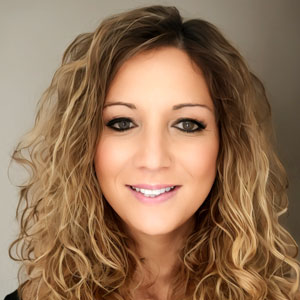
Dr. Amanda Slaten is a sound leader with 23 years of experience in Behavioral Health. She has a bachelor’s degree in Psychology, a master’s degree in Social Work, and maintains two master’s level clinical license(s) of Licensed Clinical Social Worker (LCSW) and Licensed Clinical Addictions Counselor (LCAC). In addition, Dr. Slaten obtained a PhD in Business Psychology to affirm her commitment to leadership within the Behavioral Healthcare industry. She is a compassionate leader that has dedicated her professional career towards advancing service delivery for treatment of mental health and addiction.