
Virtual Therapy for Substance Abuse and Mental Health Crisis
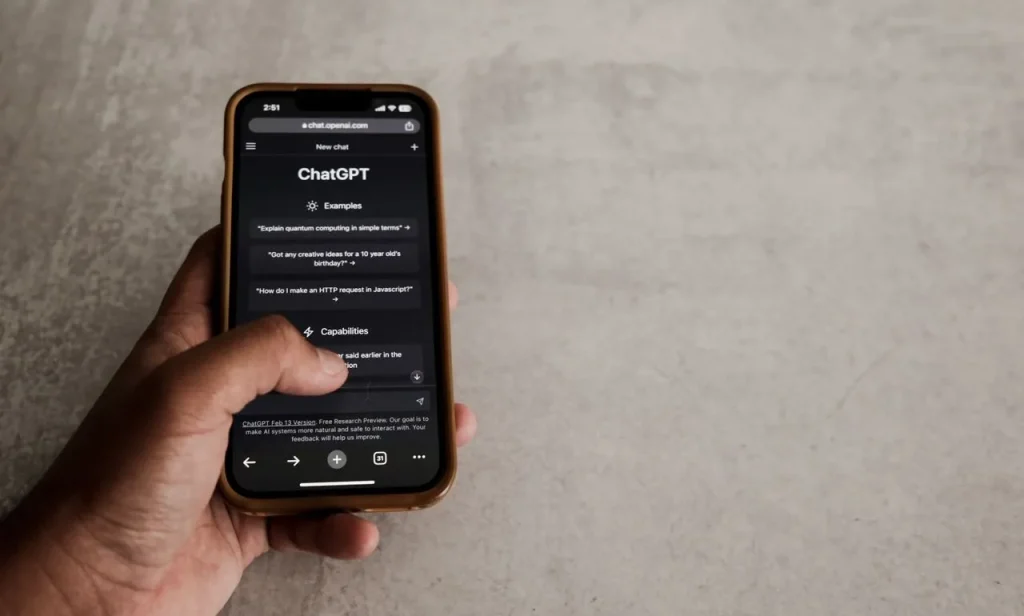
When the urge spikes or the room won’t stop spinning with worry waiting for tomorrow feels impossible. With virtual therapy for substance abuse, a clinician meets you where you are: phone in hand, headphones snug, door clicked shut. Speak if you can. Type if that’s easier. The goal tonight isn’t a perfect life. It’s steadier breathing, a small plan, and the next hour is safely handled.
Why Virtual Therapy for Substance Abuse Works In A Crisis
Logistics drain energy you don’t have. Virtual therapy for substance abuse removes travel and waiting rooms, so what little fuel remains goes into change. A counselor helps you notice early signals body jitters, spiraling thoughts, sudden triggers, and cravings and builds a short sequence you can run right now. Not polished useful.
Format choice matters. Some moments need a voice; others, chat. That flexibility keeps you showing up. With virtual therapy for substance abuse, consistency beats intensity, especially when you’re on thin ice.
Getting Started With Telehealth Addiction Counseling
First conversations feel like orientation. With telehealth addiction counseling, you map recent patterns: times of day, urges jump, people or places that nudge a slip, how sleep and meals impact withdrawal symptoms. Your clinician offers immediate skills urge-surfing, paced breathing, a five-minute walk and sets two micro-goals sized for tonight and tomorrow morning.
You’ll also discuss harm reduction practical steps that lower risk if a lapse happens: safer-use education, overdose prevention basics, and a reachable contact. The point is survival and stability while you regain footing.
Stabilizing Fast With Crisis Stabilization Online
When everything spikes at once, crisis stabilization online provides a fast structure. You’ll do quick safety planning: who to text, where to sit, what to remove from reach, and one healthy task to anchor the next twelve hours. If medical risk is present, you get clear guidance on urgent care and follow-up.
From there, you stack simple buffers: hydrate, eat something easy, warm shower, brief movement. With virtual therapy for substance abuse, the focus is on reducing immediate harm and restoring enough calm to make the next good decision.
Care For Co-Occurring Disorders Online
Substance use rarely travels alone. Co-Occurring disorders online care keeps anxiety, depression, or trauma in view, so one plan doesn’t undercut the other. A clinician helps you pair mood tools sleep cues, thought reframes with craving tools, and times them around your high-risk windows.
If symptoms fit, you’ll discuss medication-assisted treatment alongside therapy what it does, how it’s monitored, and how sessions align with dosing. The work stays collaborative: your capacity sets the pace.
Skills And Trust With Licensed Addiction Therapists
rust changes the work. Licensed addiction therapists explain privacy in plain terms what’s kept private, what’s documented, and the rare times safety must take priority. No jargon. Just clarity. That lowers fear enough to say the real thing: the stash spot, the pattern of canceling plans, the reason evenings hit hardest.
Each week, you review: what helped, what didn’t, what to tweak. With licensed addiction therapists, progress looks practical one calmer night, one meeting you actually attended, one urge you rode through without acting.
Staying On Track With Substance Use Relapse Prevention
Slips happen. Substance use relapse prevention turns them into data, not defeat. You map the chain (cue → thought → urge → action), then pick the earliest link to interrupt. You’ll schedule recovery support groups if they fit your style, add a buddy text for high-risk hours, and keep a two-line log so wins don’t vanish in the blur.
Over time, virtual therapy for substance abuse pairs long-term goals (work, school, family time) with short, repeatable steps. When stress swells, you scale down never scrap. Momentum returns by inches, then holds.
Ready to Begin?
You don’t have to ride this out alone. Clinicians at 24/7 DCT offer virtual therapy for substance abuse that’s private, practical, and paced to your life. If one small step feels possible, contact us or book a session. The moment you reach out, the plan begins.
FAQs
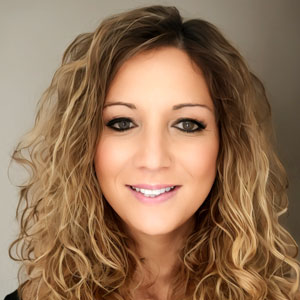
License: PhD, LCSW, LCAC
Years of Experience: 23 years+
Dr. Amanda Slaten is a sound leader with 23 years of experience in Behavioral Health. She has a bachelor’s degree in Psychology, a master’s degree in Social Work, and maintains two master’s level clinical license(s) of Licensed Clinical Social Worker (LCSW) and Licensed Clinical Addictions Counselor (LCAC). In addition, Dr. Slaten obtained a PhD in Business Psychology to affirm her commitment to leadership within the Behavioral Healthcare industry. She is a compassionate leader that has dedicated her professional career towards advancing service delivery for treatment of mental health and addiction.