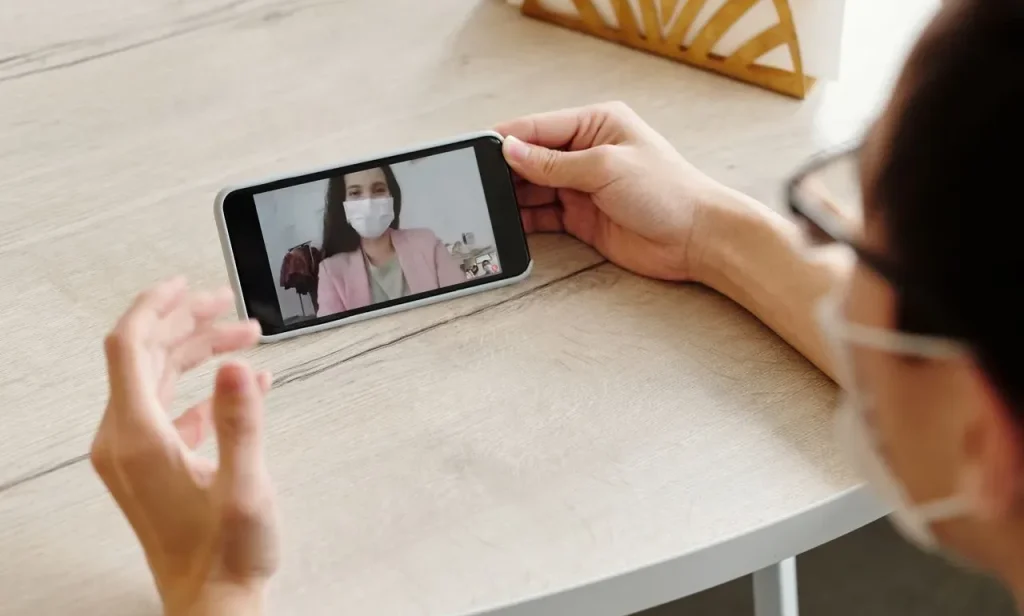

Why Humanistic Therapy Works So Well in a Virtual Format
Log in, see a warm face, and feel heard—no traffic, no clinic hush. Virtual humanistic therapy keeps the approach’s heart intact while removing distance. Therapists at 24/7 DCT serve Ohio, Alabama, and Illinois through an encrypted portal that lets empathy travel faster than cars. Screen or not, the core ingredients—genuine warmth, respect, and honesty—still spark growth.
Virtual Space Mirrors Humanistic Core Values
Humanistic work prizes choice and comfort. Meeting from your own room honors those values. You pick the chair, lighting, and time. That autonomy feeds self-actualization, a pillar of the model. Studies in the Journal of Counseling Psychology show equal alliance strength online and in person when therapists use reflective listening.
Screens Encourage Direct, Authentic Presence
A digital square blocks side glances and papers. Both faces fill most of the view, keeping attention locked. Good eye contact and lean-ins translate clearly on HD video. Therapists model authenticity—no stiff posture or hidden notes—while clients feel safe sharing tears without strangers nearby.
Digital Tools Deepen Reflective Listening
Screen-share lets the counselor mirror your words in live notes. Seeing feelings typed in real time validates experience and sparks fresh insight. Whiteboard values maps help you spot gaps between daily actions and guiding principles. Saving these visuals for later reflection stretches progress beyond the session.
Flexible Schedules Support Growth in Real Life
Humanistic therapy asks you to practice freedom. Early-morning slots before factory shifts and late-evening calls after bedtime stories help that happen. Couples can log in from two cities—a Chicago hotel room and a Birmingham den—so life’s demands never stall momentum.
Safety & Privacy Build Positive Regard
24/7 DCT locks every pixel with bank-grade encryption. Two-factor logins and HIPAA storage keep stories safe, so you can share more honestly sooner. Therapists also hold state licenses, meeting board rules for Ohio, Alabama, and Illinois. Clear boundaries invite the trust that humanistic work needs.
Quick Tips to Prepare for Your First Session
- Place the camera at eye level for natural gaze.
- Use earbuds to block household noise.
- Keep tissues, water, and a journal nearby.
- Silence notifications to stay present.
These tweaks build a calm setting where deep feelings surface without distraction.
Helpful Resources
- Person-centered therapy basics – American Psychological Association
- Self-compassion exercises – Dr. Kristin Neff
- Medicaid telehealth guide – Alabama Medicaid Agency
Ready to Start Your Growth Journey?
Freedom and support now fit inside one secure click. Contact us to chat details or book a session through 24/7 DCT’s portal. A licensed therapist will bring virtual humanistic therapy to your schedule—and help your best self step forward.
FAQs

License: PhD, LCSW, LCAC
Years of Experience: 23 years+
Dr. Amanda Slaten is a sound leader with 23 years of experience in Behavioral Health. She has a bachelor’s degree in Psychology, a master’s degree in Social Work, and maintains two master’s level clinical license(s) of Licensed Clinical Social Worker (LCSW) and Licensed Clinical Addictions Counselor (LCAC). In addition, Dr. Slaten obtained a PhD in Business Psychology to affirm her commitment to leadership within the Behavioral Healthcare industry. She is a compassionate leader that has dedicated her professional career towards advancing service delivery for treatment of mental health and addiction.