How Telehealth Has Transformed Telehealth Mental Health Access in the U.S
A decade ago, you waited weeks for an appointment, drove forty miles, and flipped through outdated magazines in a chilly lobby. Today, your phone buzzes, a secure link appears, and licensed help greets you in your own kitchen. Telehealth mental health access has flipped the script for residents of Ohio, Alabama, Illinois, and every state in between. Here’s how virtual care moved from novelty to lifeline—and what that shift means for you.
From Niche Pilot to National Backbone
In 2015, only nine percent of U.S. clinics offered video sessions. The pandemic pushed policymakers to lift location rules and equalize insurance payments. Usage jumped eightfold in two years. Rural counties now book more tele-sessions than urban centers, proving distance no longer blocks care.
Why Telehealth Mental Health Care Feels Personal, Not Robotic
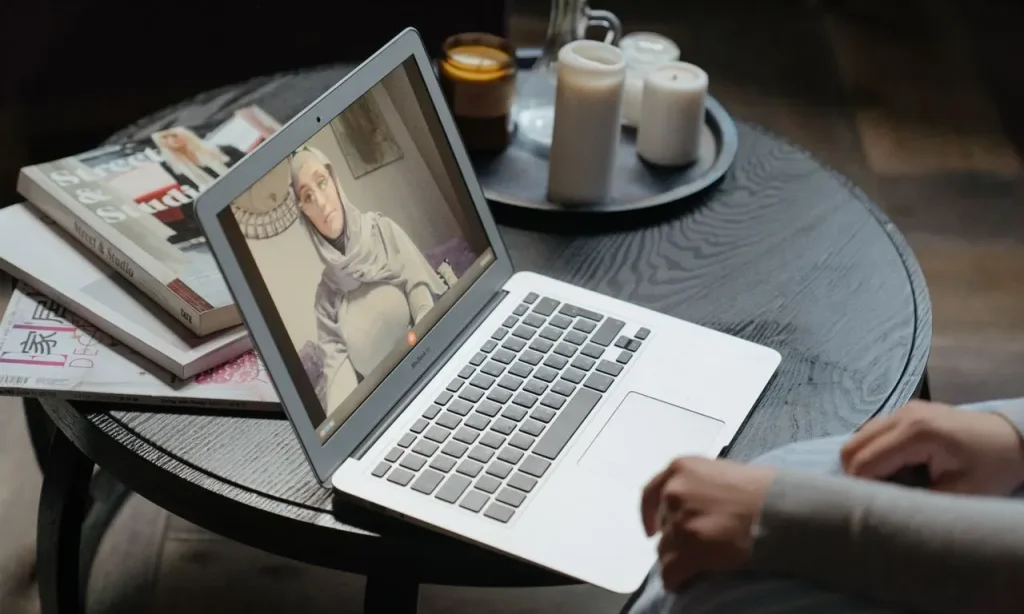
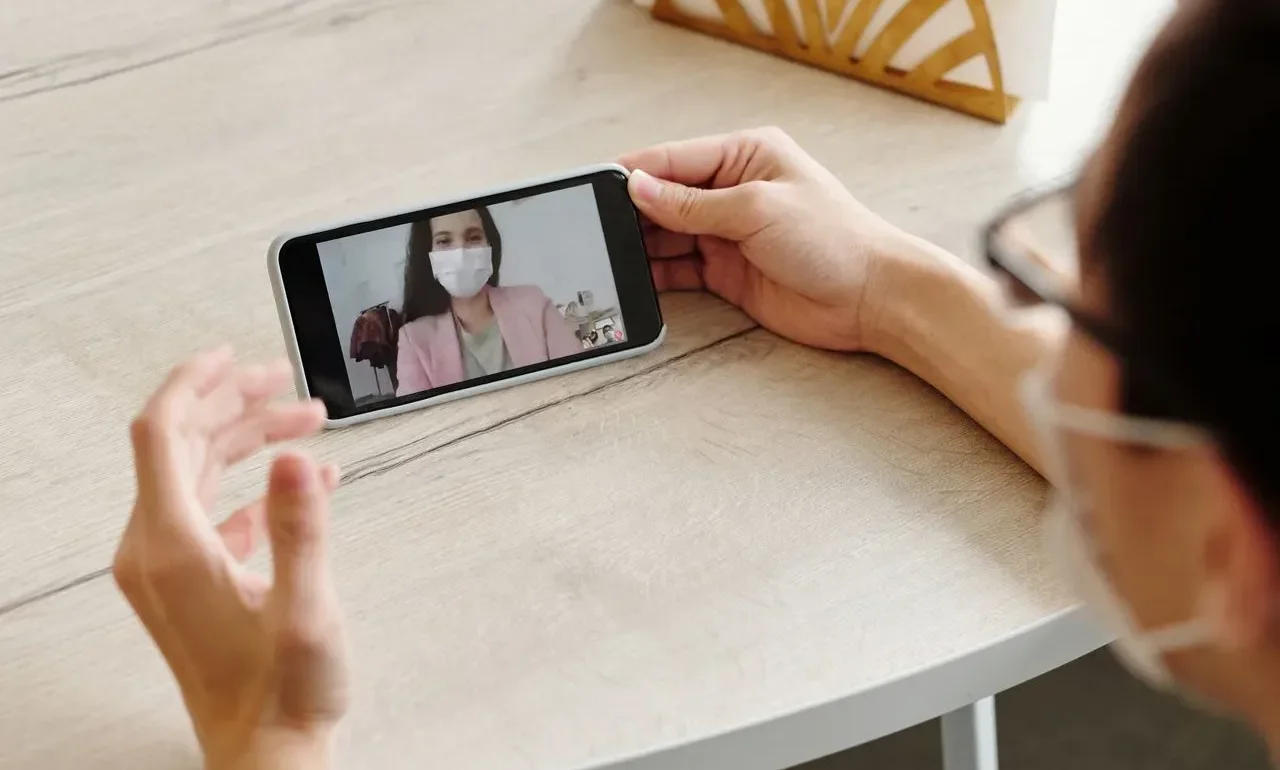
High-definition cameras capture micro-expressions; earbuds bring tone and warmth closer than couch-to-chair distances. Screen-share lets therapists draw thought maps live. Home settings also reveal pets, art, or clutter that spark honest conversation faster than sterile offices ever could.
Common Concerns—And Quick Facts
“Video feels awkward.”
Awkward fades after two minutes; earbuds block background noise and boost connection.
“My Wi-Fi drops.”
Platforms switch to audio automatically; work continues with zero lost minutes.
“Insurance won’t cover virtual.”
Most PPO plans and many Medicaid programs reimburse telehealth at office rates.
Who Benefits Most Right Now
- Shift workers log in before dawn or after midnight.
- Rural families skip 90-minute drives.
- College students keep one therapist through campus moves.
- New parents join during nap windows.
Flexibility keeps attendance high, and high attendance fuels lasting progress.
Create a Seamless Telehealth Routine
- Place your device at eye level for natural gaze.
- Use headphones to guard privacy and cut echo.
- Silence alerts—emails can wait.
- Keep water and tissues close; emotions move freely when needs feel covered.
Little tweaks turn a simple call into a focused healing space.
Policy Changes Making Access Stick
- Interstate compacts: More states now honor each other’s licenses, trimming red tape.
- Audio-only billing codes: Phone sessions count when video fails, protecting continuity.
- Permanent parity laws: Insurers in 21 states must pay for virtual visits the same as in-person visits.
Advocacy groups expect the remaining regions to catch up within two years.
The 24/7 DCT Difference
Therapists explain acronyms—CBT, DBT, ACT—in plain English. Evening and weekend slots fit real schedules. Bank-grade encryption and two-factor logins meet HIPAA rules, so stories stay yours alone. Sliding-scale fees close the gaps insurance leaves.
Quick Resources for Further Help
- Telehealth rights – American Psychological Association
- Broadband discounts – FCC Affordable Connectivity Program
- Medicaid teletherapy guide – Alabama Medicaid Agency
Ready to Try Modern Care?
Healing now fits inside one click. Contact us with questions or book a session through 24/7 DCT’s secure portal. Discover how telehealth mental health access turns therapy into something you can finally keep.
FAQs

License: PhD, LCSW, LCAC
Years of Experience: 23 years+
Dr. Amanda Slaten is a sound leader with 23 years of experience in Behavioral Health. She has a bachelor’s degree in Psychology, a master’s degree in Social Work, and maintains two master’s level clinical license(s) of Licensed Clinical Social Worker (LCSW) and Licensed Clinical Addictions Counselor (LCAC). In addition, Dr. Slaten obtained a PhD in Business Psychology to affirm her commitment to leadership within the Behavioral Healthcare industry. She is a compassionate leader that has dedicated her professional career towards advancing service delivery for treatment of mental health and addiction.