
How Crisis Hotlines Connect You to Long-Term Mental Health Support
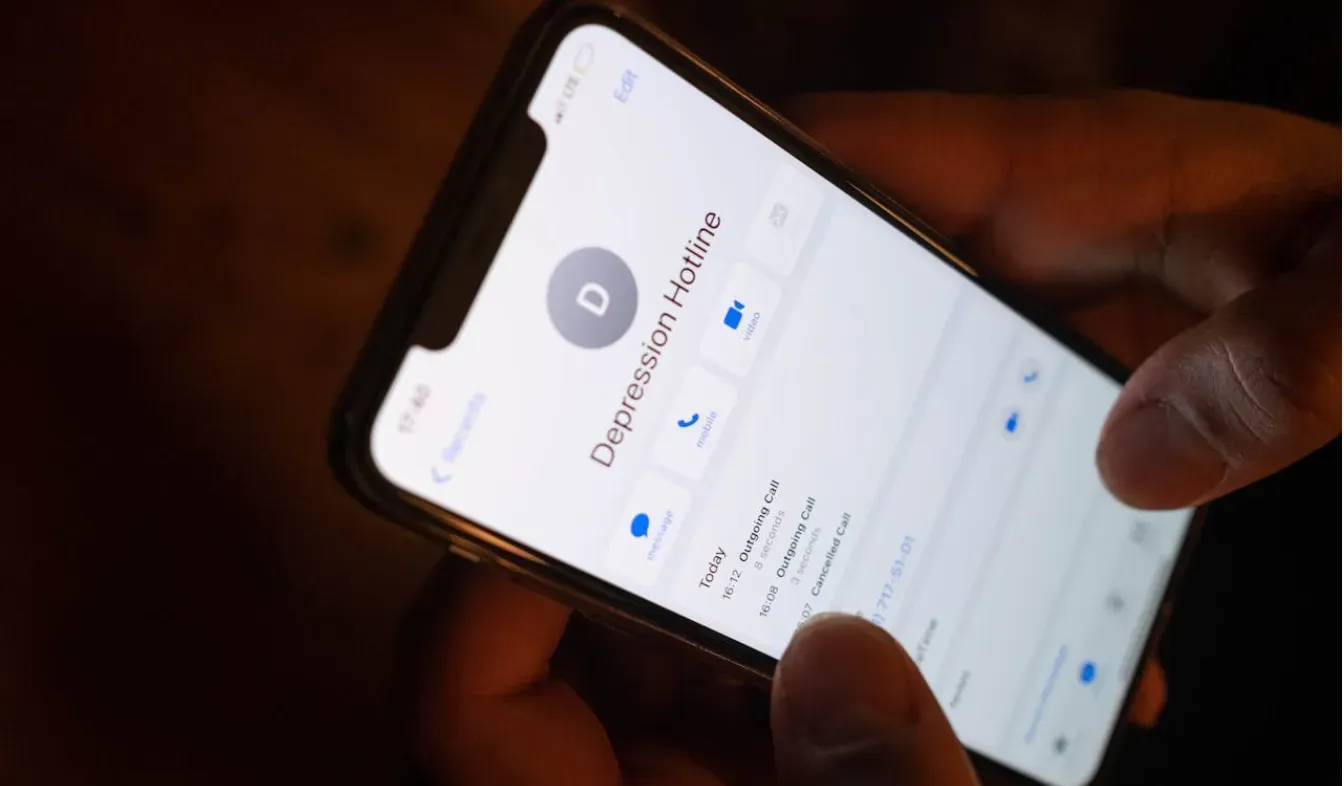
Generally, it begins with silence. You are staring at the phone, and you are not even sure whether you should call or not. A thought can go through your mind in the direction of, maybe it is not that bad. However, the truth is it is. You are simply unwilling to acknowledge it.
Then you finally call—and someone answers. A voice that doesn’t rush. A voice that stays. You breathe for the first time in hours. You say things you’ve never said to anyone.
That’s what crisis hotlines for mental health do. They keep you in check when you are not able to keep yourself. And as the nightfall comes, they do not fade. They refer to actual assistance, to long-term care, to individuals who will be walking beside you beyond that point.
What Comes When You Call Crisis Hotlines for Mental Health?
You breathe deeply before you press the call button. Your hands tremble. One part of you wishes no one would answer. But another part is so thirsty for human contact. It needs someone to talk to—right now.
Once you call crisis hotlines for mental health, you are not met with impatience or a set of instructions. A human being is on the line—no anxiety or hurry is induced in you. In fact, they aren’t asking you to go over all the details. They simply stay with you in the moment. Until your breathing returns to normal. Until your mind slowly finds order again.
With the help of crisis hotlines for mental health, a voice becomes your refuge. Someone who tells that assistance is there, that you are not too fragmented to extend a hand. At times, that initial phone call turns out to be the gateway to every moment of recovery thereafter.
The Immediate Relief of Being Heard
It’s strange how heavy silence can feel. You hold everything in until it starts to hurt. Then, one small moment changes everything—a voice answers.
Through crisis hotlines for mental health, you realize how powerful being heard can be. No fixing, no advice. Just presence. Someone on the other end stays while you fall apart. They endure your hesitations, your crying, your trembling voice.
Right then, you’re out of your solitude. You can take a breath and even have a moment of clarity. These small steps towards recovery become possible through mental health crisis hotlines. The ray of light you get is not a solution—it is hope. And at times, hope is enough to keep one alive through the night.
How Crisis Hotlines for Mental Health Build Trust
It is not an immediate event that happens to trust. You are not a new victim; you have been fired, misinterpreted, and made to be tough. So you hesitate. You think that even a phone call will help.
But when you reach out to crisis hotlines for mental health, the voice on the line feels different. They don’t rush you. They don’t try to fix everything. They simply listen, like your words finally have space to exist.
You begin to exhale. You start believing that maybe it’s okay to be honest. Through crisis hotlines for mental health, you learn that help can be safe, steady, and human. That’s where trust begins—in the quiet moments where someone truly stays.
Emergency to Stability, the Road to Long-Term Care
In the beginning, it is survival of the night. Shaking, scared, you are trying to breathe. Nothing else matters. But once that storm quiets, another feeling appears—what now?
That’s where crisis hotlines for mental health guide you forward. The assistance they provide isn’t limited to the time of the call. They also link you to continuous care. You’re not simply handed a list.
There are trained therapists, stable environments, and regular check-ins. In other words, recovery doesn’t end when the conversation does.
You can access this kind of transition through crisis hotlines. After a period of survival, they slowly guide you toward recovery.
Each step feels fragile, but it’s yours. You start trusting consistency—the same way you once trusted that voice on the line. The crisis ends, but the care continues, quietly shaping something stronger inside you.
Bridging the Gap Between Hotlines and Therapy
The call is just the beginning. It’s the first breath after days of holding it in. When the silence ends, something shifts—you start to believe in help again.
Through crisis hotlines for mental health, that help doesn’t fade once the phone goes silent. They are mildly linking you to a continuous treatment, to therapists who know your narrative. You don’t have to start over. It is not necessary to repeat everything.
In crisis hotlines for mental health, care becomes a bridge—not a one-time rescue, but a path toward something steadier. Healing doesn’t rush. It walks beside you, one quiet conversation at a time.
How 24/7 DCT Supports You After the Crisis
Silence might be bizarre when the panic is over. You are no longer in crisis, but you are not okay either. That is the worst part of it all-the in-between.
At 24/7 DCT, the care doesn’t stop once the emergency ends. You’re guided toward real healing—slowly, gently, at your own pace. You find therapists who listen the way that first voice did—calm, patient, human.
Through crisis hotlines for mental health, you take the first breath. Through 24/7 DCT, you learn to keep breathing. It’s not about perfection. It’s about support that stays. When you’re ready, contact us or book a session. Recovery does not require waiting until the next crisis, but can start now.
FAQs

License: PhD, LCSW, LCAC
Years of Experience: 23 years+
Dr. Amanda Slaten is a sound leader with 23 years of experience in Behavioral Health. She has a bachelor’s degree in Psychology, a master’s degree in Social Work, and maintains two master’s level clinical license(s) of Licensed Clinical Social Worker (LCSW) and Licensed Clinical Addictions Counselor (LCAC). In addition, Dr. Slaten obtained a PhD in Business Psychology to affirm her commitment to leadership within the Behavioral Healthcare industry. She is a compassionate leader that has dedicated her professional career towards advancing service delivery for treatment of mental health and addiction.