
Online Therapy for Caregivers in Emotional Overload
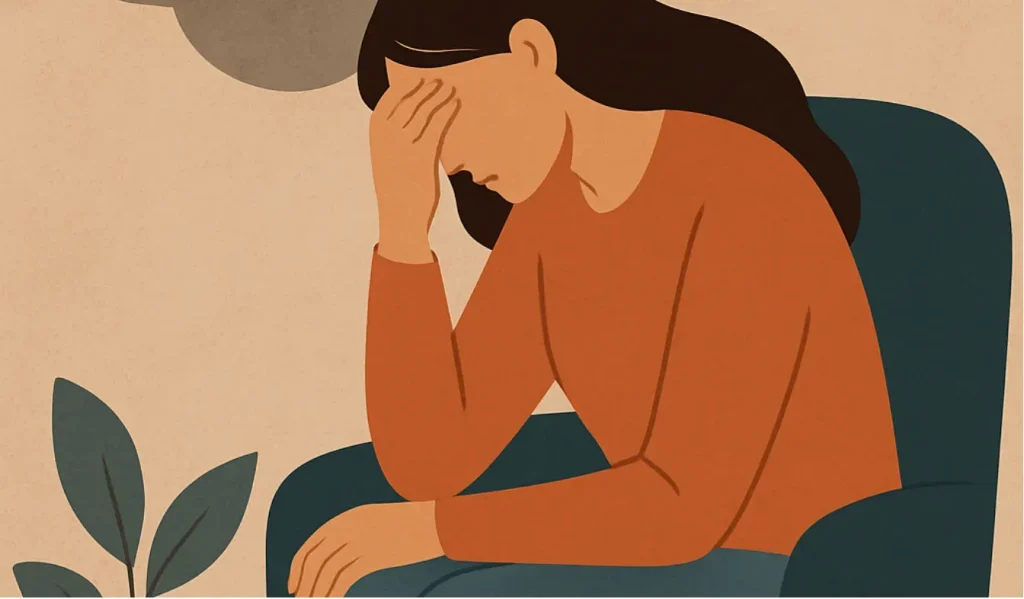
You’re tired in a way that sleep can’t fix. Your body keeps moving, but your heart feels heavy. You keep showing up—helping, managing, smiling—but somewhere inside, you’ve gone quiet. The world depends on your strength, yet no one sees how thin that strength has become.
Through online therapy for caregivers, you finally have a place that’s yours. No expectations. No pretending. Only an agreeable voice that hearkens to you when you expel all the stuff you have locked up too long.
In web-based therapy, training the caregivers, you are taught something simple, yet life-changing. It is not a selfish thing to doze off. It’s necessary. There is nothing like pouring out of an empty cup, and therapy is what will replenish it with compassion, patience, and the lesson that you do not stop mattering.
What it is Like to be a Caregiver Emotionally Overloaded
Even those who have never tried it will be unable to describe it. You are already exhausted when you wake up, yet you get on as somebody has to have you. You put your personal emotions to the back, promising yourself that you will sleep in the future. Later never comes.
You can no longer know what it is like to be silent. Your mind does not turn off even when there are no other people in the house; it replays concerns, agenda, and small mistakes. You are crying, but you do not express it because somebody might notice. You smile instead. That’s what caregivers do, right? They keep smiling.
Through online therapy for caregivers, you finally stop pretending. You say the words you’ve swallowed for years. And someone actually listens—not to fix you, but to remind you you’re still here. Still human. Still allowed to fall apart.
Why Caregivers Often Ignore Their Own Needs
You get used to putting yourself last. It’s what you do. Someone always needs you. So, you push your hunger aside. You cancel your plans. You say you’re fine.
After a time, you cease to notice how fatigued you are. You wake up already heavy. You continue to give because that is what love to you appears to be. But it is also how you fade away.
Through online therapy for caregivers, you start saying things you’ve never said out loud. You talk about the guilt of wanting space, the loneliness that never leaves. In online therapy for caregivers, you begin to understand that you still count. You still deserve rest, love, and care, too.
How Online Therapy for Caregivers Works
It starts simple. Nevertheless, you just click a link, probably at night, because you can no longer hold it anymore. You are fed up with acting like you are good. You want someone who just listens.
Through online therapy for caregivers, you meet someone calm on the other side. No pressure, no advice right away—just space. Real space. You talk about the worry, the guilt, the anger that surprises you. You say things you’ve never said aloud.
In online therapy for caregivers, you start to breathe again. The world feels a little less heavy. And slowly, you begin to believe it—you deserve care too.
Burnout: A Cure in Emotional Consciousness
Burnout sneaks up on you. It doesn’t crash—it seeps in. One missed meal. One sleepless night. One heavy sigh that never ends. You think it’s normal. You think it’s love. But really, it’s exhausting wearing a brave face.
You begin to observe it through online therapy of the caregivers. You call the passions you have repressed anger, guilt, loneliness, and even resentment. When a person is listening without being judgmental, they cease to be shameful.
In online therapy for caregivers, you learn that burnout isn’t a weakness. It’s a signal. Your body and heart are asking for care. You finally understand that healing starts when you stop running from what hurts—and start listening instead.
The Importance of Self-Compassion in Recovery
You have been so long soft with all the rest of the world. You put your hands on people when they weep, you listen, you care. But when it comes to you? You turn cold. You rush your own pain. You tell me that it is all right when it is not.
It starts there; you have to learn to treat yourself very kindly, just as you treat others. It’s awkward at first. You don’t believe you deserve it. But through online therapy for caregivers, you start practicing small things. Breathing slower. Speaking softer. Letting yourself rest without guilt.
And slowly, the voice inside you changes. It stops scolding. It starts with understanding. That’s what recovery really is—remembering that you are also someone worth caring for.
How 24/7 DCT Helps Caregivers Find Balance
You’re always there for everyone else. You hold it together when things fall apart. But who holds you? That question lingers in quiet moments, when your hands finally stop moving and the silence feels too loud.
That’s where 24/7 DCT steps in. You may speak when the world is silent, at a time when the tears are never-ending, when you only need to be heard. The treatment is persevering, personal, and smooth– never in a hurry, never coerced.
Through online therapy for caregivers, you find balance again
Not in being stronger but in being softer. The process of healing never goes in relation to doing more, but remembering that you do not have to do everything on your own. When you’re ready, contact us or book a session. Sometimes, one honest conversation is enough to start feeling human again.
FAQs

License: PhD, LCSW, LCAC
Years of Experience: 23 years+
Dr. Amanda Slaten is a sound leader with 23 years of experience in Behavioral Health. She has a bachelor’s degree in Psychology, a master’s degree in Social Work, and maintains two master’s level clinical license(s) of Licensed Clinical Social Worker (LCSW) and Licensed Clinical Addictions Counselor (LCAC). In addition, Dr. Slaten obtained a PhD in Business Psychology to affirm her commitment to leadership within the Behavioral Healthcare industry. She is a compassionate leader that has dedicated her professional career towards advancing service delivery for treatment of mental health and addiction.