
Online Therapy for Teens Facing Cyberbullying and Harassment
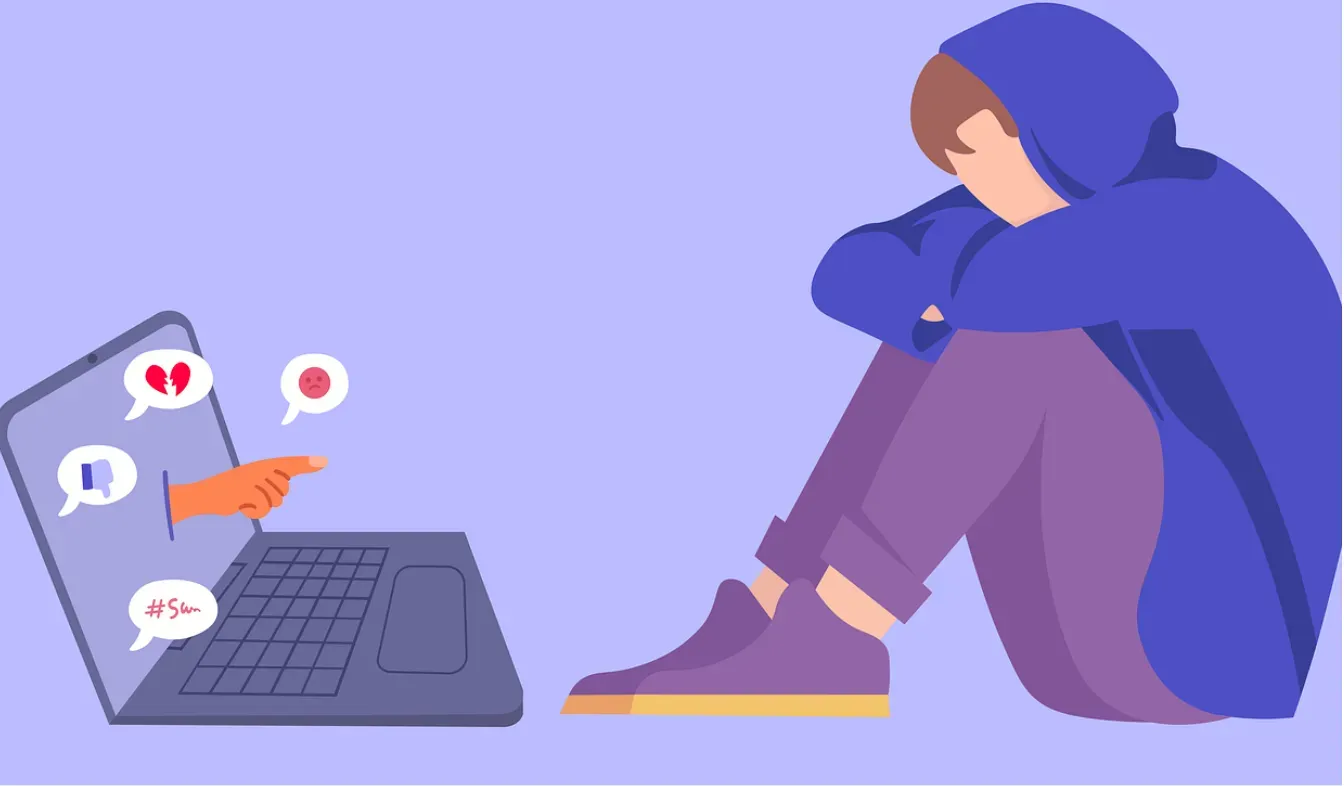
The internet may be marvelous until it becomes vicious. It is highly stressful being a teenager nowadays, as there was not a single pressure ten years ago, and when comments, posts, and personal messages are used as a weapon, the effect might be devastating. Online Therapy for Teens provides the youth with a secure background to talk, work out pain, and gradually restore confidence in themselves and others.
What is cyberbullying, and how does it affect teenagers?
Cyberbullying occurs when one uses digital tools to humiliate, threaten, or shame. It may be in the form of text messages, social media, or group discussion. Those teenagers who experience it tend to say that they are trapped and that their phones are their lifeline and their foe at the same time. Online Therapy for Teens will enable them to take the load of anxiety, confusion, and fear caused by constant online bullying.
How is cyberbullying different from traditional bullying?
The school bell was used in classical bullying to end the bullying. It takes teens home on their phones, in their notifications, at an intimidating time of the night. The web is anonymous, and thus, there is increased ease for aggressors in concealing. Counselors who have studied Online Therapy for Teens help the teenagers to create a digital divide and learn that their worth is not defined by likes and mean remarks.
Why is cyberbullying a serious mental health concern for teens?
Cyberbullying destroys the feeling of security in a teenager. Most of them start feeling depressed or anxious, or they are unable to sleep, and they are overthinking. It’s not just online drama. It’s emotional trauma. Online Therapy for Teens is an online version of a therapy program that teaches coping skills to clients, such as breathing, re-evaluating thoughts, and recovering lost self-esteem that has become weary.
What are the most common forms of online harassment teens face?
It can start subtly: teasing, ostracism, and fake rumors. Nevertheless, it may be trolling, impersonation, or even threats. Sextortion, or making intimate material available on a social platform, is influencing other teens. Online Therapy for Teens Therapists can ensure that the clients can identify these red flags before turning into dangerous people and inform the families on what they should do to report or block the culprits without putting their lives at risk.
How can parents recognize if their teen is being cyberbullied?
What is said can sometimes be irrelevant, and what is not said is. Breakdown of dinner or unwillingness to get online or alterations in the sleeping habits can all be indicators of distress. Parents who observe such changes should softly make contact. Home-based Pairing and Online Therapy with Teens will make sure that the child is not alone in the dealership.
What steps should parents take when their child is a victim of cyberbullying?
Stay calm and listen. Then gather evidence – screenshots, messages, timestamps. Report to the school in case the classmates are involved. Emotional recovery: Online Therapy for Teens could be tried, professionals could teach some practical coping habits, and even restore lost confidence.
When should cyberbullying be reported to law enforcement?
When there are threats, revenge porn, or continuous intimidation, then it is more than normal bullying. It’s criminal. Parents should act fast. As the authorities take care of the legal aspect, Online Therapy for Teens will assist in the mental recovery of the child, which only legal action cannot resolve.
How can online therapy help teens cope with cyberbullying?
Many teenagers may find it easier to talk to a person not in their family. Online Therapy for teens allows them to be open at home without facing judgment. As time passes, they can learn to balance emotions, mind, and how to reduce the strength of negative words.
What types of therapy are effective for teens facing cyberbullying?
Therapy methods such as Cognitive Behavior Therapy (CBT) and Dialectical Behavior Therapy (DBT) assist teens in de-escalating the negative thought patterns and emotional control. Family therapy is also employed by some of the counselors in the Online Therapy for Teens to restore trust and communication within the home.
How does therapy rebuild self-esteem and confidence in bullied teens?
The healing process is not fast, but it is real. Counselors encourage adolescents that they are not online. Online Therapy for Teens fosters long-term confidence by reflecting, self-compassion, and daily small victories that will keep gaining momentum when the sessions are over.
What role do parents and caregivers play in supporting a bullied teen?
Children cannot be protected by their parents in all things, but they can serve as their emotional support. Strauss won’t lie, won’t lie; reassurance, steady reassurance, presence–those are important. Online Therapy for Teens, along with it, creates a circle of care that enables the teen to feel safe once again.
How can teens protect themselves online against cyberbullying?
Boundaries are power. Adolescents need to change privacy policies, not disclose personal information, and adopt a second-thought strategy when responding to negativism. There is a tendency for counselors offering Online Therapy to Teens to use Online Safety as a component of emotional resilience training.
When should you consider professional help for your teen?
When your child does not want to go to school, cries regularly, or appears to have no friends, then it is time. Teenage therapy, which should be done early in their lives, can help avert more serious problems such as chronic depression or suicide. It is not much about waiting; it is more about gentle and timely intervention.
How does 247dct support teens and families facing cyberbullying?
24/7 DCT connects families to licensed, compassionate therapists who understand the unique pressure of growing up online. Their Online Therapy for Teens program is flexible, confidential, and available when help feels urgent. If your teen needs support, book a session or contact us to get started today.
FAQs

License: PhD, LCSW, LCAC
Years of Experience: 23 years+
Dr. Amanda Slaten is a sound leader with 23 years of experience in Behavioral Health. She has a bachelor’s degree in Psychology, a master’s degree in Social Work, and maintains two master’s level clinical license(s) of Licensed Clinical Social Worker (LCSW) and Licensed Clinical Addictions Counselor (LCAC). In addition, Dr. Slaten obtained a PhD in Business Psychology to affirm her commitment to leadership within the Behavioral Healthcare industry. She is a compassionate leader that has dedicated her professional career towards advancing service delivery for treatment of mental health and addiction.