
Stuck in Your Head? Virtual Therapy for Overthinking
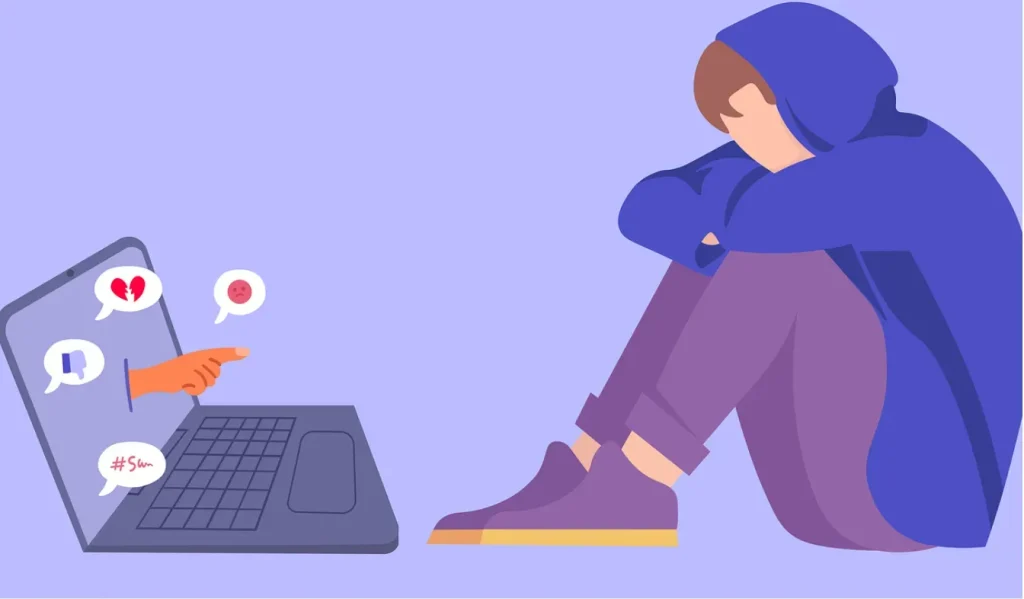
Being an over-thinker is like being locked inside your head. You attempt to put a halt to thoughts, but they turn about returning. It occurs when a person is driving, cooking, or in bed. The brain just refuses to switch off.
Every little thing becomes a replay. A small comment, a tiny mistake, or something you said last week. The mind won’t let it go. The harder you fight against it, the more it cries.
It is there that virtual therapy to overcome overthinking can come in. You don’t need to explain everything perfectly. You just talk, and someone listens without judgment. The pressure eases a bit, and you start noticing calm between thoughts.
Online sessions feel simple and private. You are able to open your laptop, sit anywhere, and be free to talk. Over time, the racing thoughts start to wear out, and it becomes possible to experience peace once again.
What Is Overthinking and What Is Its Occurrence?
The process of overthinking normally starts off with a low profile. You tell yourself it, you are just taking precautions, you are just attempting to do the right thing. After which comes the same thought, and the same, until it appears that one will never be able to shut it off.
It happens because your brain wants safety. When you worry, your mind thinks it’s helping; finding answers, preventing mistakes, keeping control. However, it does not solve the problem but creates tension. You begin to doubt all that you said, all that you gazed at, all that was not said.
Over time, it becomes exhausting. You lose focus at work. You can’t relax at night. Even small things feel heavy because your thoughts won’t stop circling.
That’s where virtual therapy for overthinking makes a difference. It makes you know how these loops are created and how they are sustained. A licensed therapist does not judge, and he or she listens to you and demonstrates how to calm your mind gently.
How Does Overthinking Affect Daily Life?
Overthinking shows up quietly. You are up early and already tired, as your brain never closes down. Before coffee, you are repeating yesterday’s conversation, and you wonder whether or not you said anything wrong. It has become like background music.
You check messages again, reread emails, and rethink small choices like they matter too much. By afternoon, you’re drained, not from work, but from your own thoughts.
It also hits your body. The shoulders stay tight, your stomach turns when you worry, and sleep? It comes in pieces. You are lying there, attempting to sleep, but everything that has ever happened to you passes through your mind.
This is where virtual therapy for overthinking comes in to save the situation. You do not speak; you know how to stop. A therapist will make you get those racing thoughts to slow down and look beneath them.
And as soon as you begin to perceive that peaceful area – that small separation between ideas, life becomes a bit more comfortable. You still think, but it doesn’t hurt as much anymore.
Why Do People Become More Exposed to Overthinking?
Other individuals are overthinking because their brains do not know how to relax. They care deeply, plan, and want to avoid mistakes. That same care easily turns into worry.
Stress, low confidence, or fear of judgment can make the cycle stronger. The brain treats thinking like protection; if it stays alert, nothing bad will happen. But that safety is an illusion. Instead of control, it creates anxiety.
That’s where virtual therapy for overthinking helps. Therapists explain why your thoughts loop and teach ways to slow them before they spiral. Understanding your triggers is the first real step toward peace.
How Virtual Therapy for Overthinking Helps the Mind Reset
You know that heavy feeling when your thoughts won’t stop? You try to distract yourself; scroll, clean, talk, anything. But somehow, your mind finds its way back. Same worry. Same noise. It’s exhausting.
That’s where virtual therapy for overthinking really helps. You talk to someone who doesn’t rush to fix you. They listen. They help you slow down and see what’s actually behind all that thinking. It’s not magic, but it’s real work that starts feeling lighter.
Several sessions later, you begin to realize that there are some gaps there, silent intervals during which your mind allows you to breathe once more. You know you are getting better.
Why Choose 24/7 DCT for Online Support
Finding help online can feel risky. You want someone who understands, not another scripted chatbot or generic advice page. That’s why people trust 24/7 DCT.
Every therapist here listens; really listens; without judgment or rush. They know what it’s like when thoughts won’t stop. They are private, flexible, and real-life friendly.
Late at night or in between classes, you can book a session in minutes. All the plans are safe, secure, and accompanied by licensed professionals. When you book virtual therapy for overthinking, 24/7 DCT provides you with a constant hand, not a quick fix, but a genuine one when you need it the most. You can contact us for more information or assistance.
FAQs

License: PhD, LCSW, LCAC
Years of Experience: 23 years+
Dr. Amanda Slaten is a sound leader with 23 years of experience in Behavioral Health. She has a bachelor’s degree in Psychology, a master’s degree in Social Work, and maintains two master’s level clinical license(s) of Licensed Clinical Social Worker (LCSW) and Licensed Clinical Addictions Counselor (LCAC). In addition, Dr. Slaten obtained a PhD in Business Psychology to affirm her commitment to leadership within the Behavioral Healthcare industry. She is a compassionate leader that has dedicated her professional career towards advancing service delivery for treatment of mental health and addiction.