

Panic Disorder Therapy for Calmness and Control
Have you ever been so blindsided by this great terror that your heart starts racing and you stop breathing for a moment? That alarming, frightening experience is a panic attack, and when that continues to occur, it redefines all about your life, you see. It is exhausting speaking, to live in the continued, unrelenting terror of the next attack. You really do need some specialized skills to regain any control over your body and your choices. Panic Disorder Therapy offers a practical way you can stop those bad cycles and find calmness again.
Understanding Panic Disorder and Its Impact
Panic Disorder is much, much more severe than being nervous or having a bad day now and then; it is something serious. It is, in fact, an extremely narrow-focused anxiety disorder characterized by the sudden, unexpected incidences of panic attacks that appear to be just out of the blue. This may even leave a very simple and daily routine almost unattainable at times, an undesirable thing to the person affected, who is just not at ease with this. It usually causes significant avoidance of some places or situations due to extreme fear. Panic Disorder Therapy helps the professionals unpack why this terrible pattern is happening to you personally, which is the necessary start.
Common Signs and Symptoms
When an attack hits, you feel some awful physical stuff; it is truly terrifying. Your heart might pound super fast, you might get major shortness of breath, or feel suddenly dizzy and disoriented. A lot of people genuinely think they are having a terrible, life-threatening medical emergency right then, which just compounds the fear, obviously, adding to the problem. That intense fear is completely real, even if the cause is not physical danger. Panic Disorder Therapy teaches you how to handle those confusing, frightening physical sensations much better.
Core Causes and Risk Factors
Look, there is no one single exact thing we can point to that causes this whole problem, but a few things make it much more likely for people to struggle. There is a genetic factor at play, where panic or anxiety might simply run in your family’s history a little bit. High levels of chronic stress, a history of trauma, or slight imbalances in brain chemistry can all play a role, too, sometimes all at once. Knowing your specific, personal risk factors is a necessary part of the work you must undertake in Panic Disorder Therapy.
Evidence-Based Therapies for Panic Disorder
When you look around for professional help, you want reliable, proven methods, not just someone taking a shot in the dark, right? Cognitive Behavioral Therapy, or CBT, is widely considered the very best, most effective option for panic issues out there. Sometimes, specifically Exposure Therapy helps people safely face the situations they fear the most, which is a big deal to overcome. These are the effective, structured tools a professional will use. Effective Panic Disorder Therapy relies on these solid, evidence-based approaches to get real, lasting results for the client.
Cognitive Behavioral Therapy (CBT) for Panic Control
CBT works, primarily, by changing the way you start thinking about your body’s simple physical feelings, even when they are intense. We call that structured process cognitive restructuring in the field. You learn to immediately challenge the scary, automatic thoughts that fire off when panic starts up inside you. Then, you practice specific coping skills to interrupt that terrible fear spiral right away when it starts. This helps you develop a totally different reaction to the feeling, and that is a core, required part of effective Panic Disorder Therapy.
Mindfulness and Relaxation Approaches
Learning how to quiet down your whole, overactive nervous system is completely vital work for your future; it truly is so important for long-term relief. Simple techniques like deep breathing exercises and quick grounding methods help pull you out of the attack mode fast, which is the immediate goal. Mindfulness teaches you to just observe the feeling without freaking out or reacting to it harshly at all. This combination of mental and physical skills is always included in good, quality Panic Disorder Therapy.
The Role of Medication in Panic Disorder Treatment
For a lot of people dealing with this issue, medication can be a necessary, key part of getting any relief at all, but it is not the only piece of the recovery puzzle. Certain antidepressant prescriptions, like Selective Serotonin Reuptake Inhibitors (SSRIs), can lower how often the attacks hit you. This approach really works best when used right alongside talk therapy sessions. You should always seek psychiatric consultation to manage this safely; of course, that is essential for health. Stabilization from medication sometimes supports better Panic Disorder Therapy.
Lifestyle Adjustments for Long-Term Calmness
This therapy is not carried out in a vacuum, you see, you will need to make some important modifications in your day-to-day life habits, as well. Regular sleep hygiene and decent nutrition are helpful in stabilizing the foundation of your entire system. Reducing drastically on stimulants such as caffeine is commonly a significant move for individuals who have delicate nervous systems. These habits, daily, will assist in maintaining a stabilized state of calm, which solidifies what you get out of Panic Disorder Therapy.
When to Seek Professional Help
If panic attacks keep hitting you hard, or if you start avoiding things you like and enjoy doing, you really need to call a professional today. Do not wait for things to get worse before you act on this; please do not. Finding a licensed counselor or anxiety specialist in the USA is the critical first step you must take for relief. You simply should not manage this major challenge all by yourself; you deserve support. Finding the right resource is what truly starts effective Panic Disorder Therapy.
How Therapy at 24/7 DCT Can Help You Regain Control
Here at 24/7 DCT, we specifically specialize in helping people exactly like you conquer this problem. We have licensed therapists standing by right now to build your personalized treatment plan just for you. Remember this key detail: we only offer all sessions online, which means there are no physical or onsite visits necessary at any point. That specific convenience helps so many busy people find the time they need for their mental health. Getting quality Panic Disorder Therapy is easier than you might think with us.
Your First Session: What to Expect
Your very first meeting is mainly about getting to know you just a little bit better; that is the main goal. We do a careful mental health assessment to fully understand your specific history and all your unique triggers and fears. This initial session is also exactly where you start building that important therapeutic relationship with your chosen counselor. You will talk about your specific goals for the treatment process. This gentle beginning is how we start effective Panic Disorder Therapy at 24/7 DCT.
Building Long-Term Resilience and Preventing Relapse
The real, long-term goal is not just stopping the immediate attacks now, but building skills that will last you forever. We focus a lot on relapse prevention plans, so you know exactly what to do if an old trigger unexpectedly pops up again later. We teach you how to keep up strong self-care routines even long after your formal therapy ends. These long-term tools make sure the control you gain sticks around permanently. That dedicated approach is the core purpose of solid Panic Disorder Therapy.
Take the First Step Toward Calmness
You truly deserve to feel safe and calm in your own body and your own life again, you absolutely do. Start with a simple consultation appointment with 24/7DCT today. It is time to stop letting that fear run the whole show. Choosing Panic Disorder Therapy is the very first, most powerful move you can make toward finding real relief. Control starts with understanding; Book a session or contact us to learn calm, confident expression.
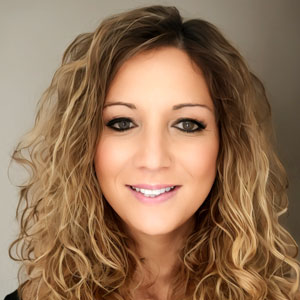
License: PhD, LCSW, LCAC
Years of Experience: 23 years+
Dr. Amanda Slaten is a sound leader with 23 years of experience in Behavioral Health. She has a bachelor’s degree in Psychology, a master’s degree in Social Work, and maintains two master’s level clinical license(s) of Licensed Clinical Social Worker (LCSW) and Licensed Clinical Addictions Counselor (LCAC). In addition, Dr. Slaten obtained a PhD in Business Psychology to affirm her commitment to leadership within the Behavioral Healthcare industry. She is a compassionate leader that has dedicated her professional career towards advancing service delivery for treatment of mental health and addiction.