

Phobia Therapy for Freedom from Fear
Is there one specific thing in your life that makes you completely stop doing everything else, a fear you just cannot seem to shake off? Seriously, dealing with those intense, specific fears is truly draining. I know it changes your daily route entirely. That fear stops you from going to places you want to go to, and that is just totally unfair, right? You really do need some extremely focused help to successfully take back that control over your decisions. Phobia Therapy offers a practical, specific way you can finally get true freedom from that fear.
Understanding Phobias and Their Impact
A phobia is way, way more intense than just a simple strong dislike or just being a little nervous about something random. It is actually a very specific anxiety disorder that brings on this intense, irrational fear reaction when you encounter a particular trigger. This level of fear often leads to major avoidance behaviors that can really limit your whole life; it truly walls you in. Recognizing that the major problem is absolutely the first step. Phobia Therapy helps the professionals figure out exactly how this fear is really impacting your daily world.
Common Types of Phobias
There are so many varieties of phobias, it is quite bizarre. One of the most discussed ones is Acrophobia (this huge fear of height) or Claustrophobia (fear of small, enclosed spaces, of course). The more complicated ones include, such as social anxiety therapy. Other more complicated such as social phobia, where interaction with other people is simply horrifying. Whatever may be the area of focus, fear is factual and at different times, can be too much. Phobia Therapy addresses the common Specific Phobias that lots of people really struggle with.
Recognizing Symptoms of Phobias
When you encounter the thing you fear, your body reacts with classic, very fast panic symptoms, like a huge, sudden rush of adrenaline. You might feel intense trembling in your hands, experience a pounding, rapid heartbeat, or just get totally dizzy and disoriented, which is disorienting. The main symptom is avoidance behavior, where you go way, way out of your way to skip the trigger completely. These reactions clearly signal it is time for professional support. Phobia Therapy teaches you how to manage those physical and emotional symptoms safely.
How Phobia Therapy Helps Overcome Fear
When you are looking around for help, you should focus on therapies that have a very strong, reliable track record of actual success. Cognitive Behavioral Therapy (CBT) is widely considered the best choice for overcoming all these anxiety issues; it really is the gold standard. This structured approach is direct and specific, which is often what works the absolute best for phobias. The goal is to safely change your emotional reaction over time, bit by bit. Phobia Therapy relies on these solid, evidence-based methods to get you real, lasting results.
Cognitive-Behavioral Therapy (CBT) for Phobias
CBT works, mostly, by changing those negative thought patterns that automatically flood your mind when you are triggered. We call that very hard process Cognitive Restructuring in the field of therapy. You learn to immediately challenge the scary, irrational thoughts that fire off when you see the trigger. Then, you practice specific behavioral techniques to lower your overall anxiety level, which takes practice. This systematic approach is really what makes Phobia Therapy so effective.
Exposure Therapy: Facing Fear Gradually
Exposure Therapy is a critical part of the whole process, even though it might sound really scary to you at first. It involves using a Fear Hierarchy to face the thing you avoid in super small, safe, manageable steps. This Gradual Exposure helps your brain slowly learn that the feared object is not actually dangerous to you, which is the point. We are there to help you learn to stay calm during the trigger. This specific method of Phobia Therapy directly targets and reduces the extreme Fear Response.
Self-Help Strategies That Support Recovery
Therapy does not work in a vacuum; you must make changes in your daily life routine, too. I think that is important to remember. Simple techniques like deep breathing or Progressive muscle relaxation can help calm your nervous system down quickly. You can try them right now. Engaging in regular exercise can also really help reduce overall anxiety levels. These necessary self-help steps directly support what you are learning during Phobia Therapy sessions.
The Role of Support Systems in Healing
You really should not have to go through this whole healing process all by yourself; it is truly too hard that way. Having strong Family Support or connecting with a good, vetted Support Group makes a big difference in how fast you recover. You will see. Talking openly with a counselor is always helpful, but having others around you really matters too. Building a reliable Mental Health Support Network is key to your long-term success. This support structure strengthens the important work you do in Phobia Therapy.
Seeking Professional Help at 24/7 DCT
If your specific phobia is severely limiting your daily choices or causing you terrible distress, please, please call someone soon. Finding Licensed Mental Health Professionals is the very best, most necessary next step for you. Here at 24/7 DCT, we offer comprehensive, dedicated support completely online, which is our unique structure. That specific online format means there are no physical or onsite visits ever required, making it easier to start therapy. Accessing quality Phobia Therapy is simple with our Online Counseling services.
Personalized Phobia Therapy Sessions
When you start therapy with us, you receive a carefully planned Personalized Treatment Plan that is designed just for your specific fear alone. We always begin with a thorough Mental Health Assessment to understand all your unique needs and triggers. All our care uses Evidence-Based Care methods that are proven to work successfully for phobias. This tailored approach ensures you get the absolute most out of your Phobia Therapy sessions with a professional.
Reclaiming Your Life from Fear
Just imagine getting your life completely back and not having to plan around that fear ever again. Emotional Healing happens as you build new confidence and a real sense of Resilience over time. You start feeling a real sense of Self-Empowerment over your old, limiting fears, which is amazing. Taking back control of your important choices is the final, best goal. This feeling of total freedom is the true reward of successful Phobia Therapy.
Take the First Step Toward Freedom
You absolutely deserve to live a life that is completely free from the constant burden of fear; that is the truth. Go to 24/7DCT right now to see more about our online team structure and support system. Start with a simple consultation appointment booking today. Choosing Phobia Therapy is the very first, most powerful move you can make toward finding real, lasting freedom and peace. Healing from loss takes time and care — Book a session or contact us to find gentle, steady support.
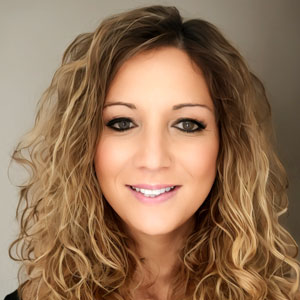
License: PhD, LCSW, LCAC
Years of Experience: 23 years+
Dr. Amanda Slaten is a sound leader with 23 years of experience in Behavioral Health. She has a bachelor’s degree in Psychology, a master’s degree in Social Work, and maintains two master’s level clinical license(s) of Licensed Clinical Social Worker (LCSW) and Licensed Clinical Addictions Counselor (LCAC). In addition, Dr. Slaten obtained a PhD in Business Psychology to affirm her commitment to leadership within the Behavioral Healthcare industry. She is a compassionate leader that has dedicated her professional career towards advancing service delivery for treatment of mental health and addiction.