Virtual Counseling for College Transitions and Anxiety
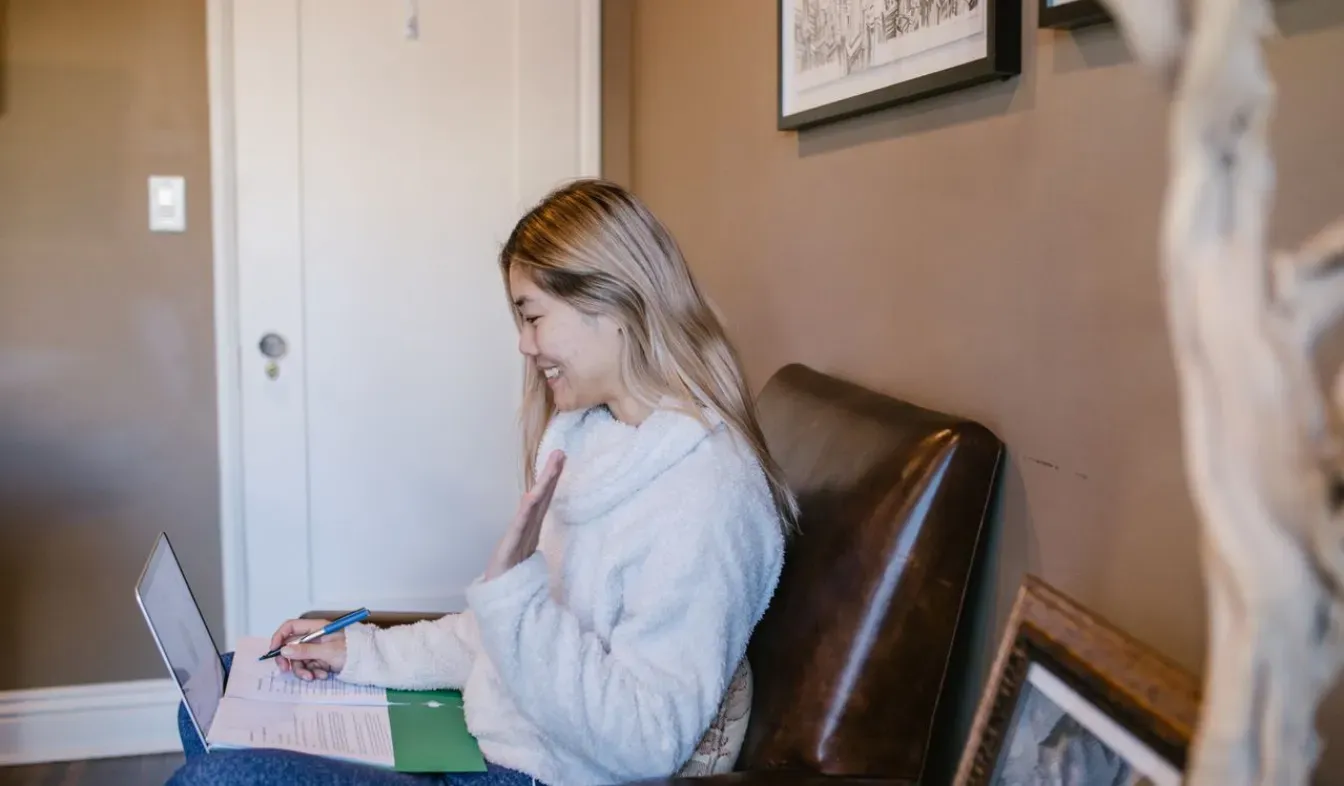
Dorm lights buzz. The hallway is loud, then too quiet. Your thumb hesitates on the trackpad before class. Virtual counseling for college at 24/7 DCT meets you in that pause in your room, at the library, or between lectures. No commute, no spotlight. Just a steady check-in when the day tilts.
Why Virtual Counseling for College Helps When Everything Changes
New campus, new faces, new pressure. Routines disappear; nerves don’t. With virtual counseling for college, you can start small: one honest line about what’s hard today. A licensed online therapist helps map stress loops crowded lectures, group work dread, messy sleep and chooses tools that fit this week. Think brief video therapy sessions, clear plans, and flexible times. Privacy matters, so confidential online counseling keeps boundaries simple and firm.
Skills come next. Gentle evidence-based CBT for spiraling thoughts. Quick breath work before presentations. Tiny behavioral activation wins: a five-minute walk, one email sent, one bite-sized task finished. You’ll adjust fast when schedules shift. That’s the point of virtual counseling for college support that moves with you, not against your calendar.
First Weeks: Online Counseling for Freshmen That Fits Real Life
Orientation ends; the real test starts. With online counseling for freshmen at 24/7 DCT, you name the friction: long lecture blocks, finding friends, “I’m behind already” chatter. Together, you’ll set two anchors you can actually keep. A three-step pre-class routine. A short post-lecture note so information sticks. One real break that isn’t doomscrolling.
In session, you rehearse quick phrases for meeting people or asking for help. You also agree on a time management skills experiment calendar blocks sized to your brain on a tough day, not a perfect one. Virtual counseling for college students is doable over ideal. You’ll leave with tonight’s plan, not a semester of theory.
Steadying Nerves With Teletherapy for Student Anxiety
Performance jitters spike before labs and presentations. Teletherapy for student anxiety teaches portable tools. Name the thought that bites (“I’ll freeze”). Test it. Replace it with something truer (“I’ve practiced; I can read my first line”). Layer a two-minute breath and a quick stretch. It’s not fancy just effective.
You’ll practice aloud during video therapy sessions until words feel natural. Pair this with behavioral activation: show up for five minutes, then reassess; message a classmate; attend office hours with one question ready. When energy dips, shrink steps without quitting. That’s still progress. And yes, virtual counseling for college keeps the momentum between sessions with brief check-ins.
Study Routines And Sleep: College Transition Support Online
Late nights pile up. So does fog. College transition support online rebuilds the basics. You’ll design a repeatable study loop: preview, attend, review short, tight, realistic. Find ways to combat distractions: small guardrails (site blockers, 20-minute sprints) in another room. Sleep hygiene like grade: routine wind-down, light, decrease the temperature, and screen off automatically.
Your therapist helps you choose courses of action that actually stick during midterms. One habit at a time. If a week collapses, you reset no shame, just the next smallest step. This is still virtual counseling for college: flexible, practical, human.
Belonging And Boundaries With Campus Mental Health Counseling
Friends help. So do limits. Campus mental health counseling and virtual counseling for college tackle both. You’ll script “join” lines for clubs and study groups, and “no, not tonight” lines when energy runs thin. Practice boundary phrases until they land kindly, not harshly. If social anxiety hums, you’ll test graded exposures arrive for ten minutes, then choose to stay or go.
When roommate tensions flare, you’ll use a simple format: notice, ask, and agree on one change. Keep it written. Keep it light. The aim isn’t perfect harmony; it’s fewer frictions and quicker repairs so school stays school, not a constant fight.
Resources & Next Steps
- Learn about college mental health and coping strategies: National Institute of Mental Health (NIMH) guides for anxiety, sleep, and stress.
- Explore evidence-based approaches for student wellbeing: American Psychological Association (APA) articles on study stress and resilience.
Ready to Begin?
You don’t need to solve the semester tonight. If you’re testing the waters, contact us and ask a quick question. If you’re ready to try support that moves with you, book a session with our therapists at 24/7 DCT. With virtual counseling for college, small, steady steps make campus life feel livable again.
FAQs

License: PhD, LCSW, LCAC
Years of Experience: 23 years+
Dr. Amanda Slaten is a sound leader with 23 years of experience in Behavioral Health. She has a bachelor’s degree in Psychology, a master’s degree in Social Work, and maintains two master’s level clinical license(s) of Licensed Clinical Social Worker (LCSW) and Licensed Clinical Addictions Counselor (LCAC). In addition, Dr. Slaten obtained a PhD in Business Psychology to affirm her commitment to leadership within the Behavioral Healthcare industry. She is a compassionate leader that has dedicated her professional career towards advancing service delivery for treatment of mental health and addiction.